












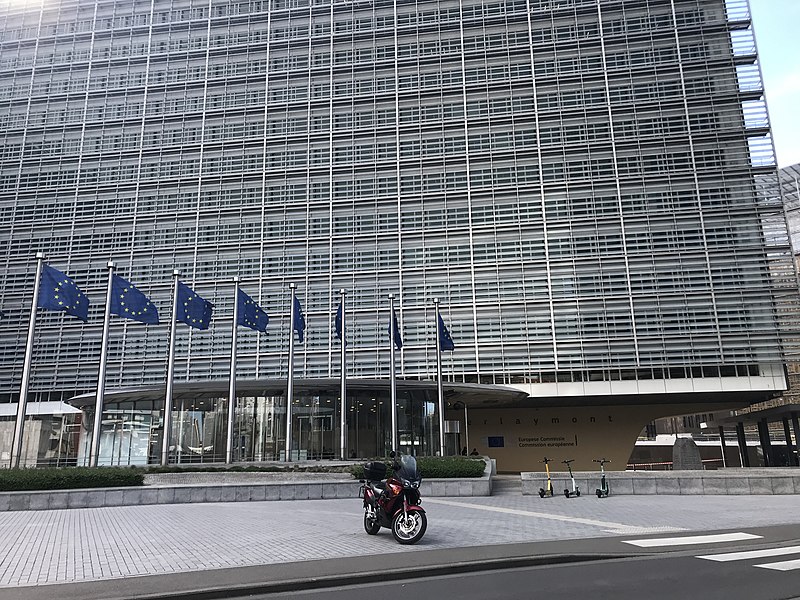
Young people across the European Union are increasingly involved in civic life, with more participating in organisations, social initiatives and cross-border activities, according
to a new Eurobarometer survey published by the European Commission on 28 October 2026.
The survey examines the democratic engagement of Europeans aged 15 to 30, their priorities for youth policy and their expectations of the EU. Its findings will help inform preparations for the next EU Youth Strategy, covering the period after 2027.
Rising participation in civic and social activities
The survey points to a significant increase in young people's involvement in organised activities and initiatives aimed at improving society. Three-quarters of respondents (75%) said they had participated in at least one organisation's activities during the previous 12 months, compared with 64% in 2024.
Sports clubs were the most popular organisations, attracting 26% of respondents, followed by youth clubs and youth organisations, cited by 20%.
Participation in initiatives seeking to bring about social change has also increased. More than half of those surveyed (55%) said they had taken part in at least one such initiative over the past year, up from 48% in the previous survey.
Cross-border engagement is another area of growth. Six in ten young Europeans (60%) reported participating in activities in another EU country, including educational programmes, cultural or sporting exchanges and volunteering. This represents an increase of 17 percentage points compared with 2024.
Peace, economic security and jobs top young people's priorities
The findings suggest that young Europeans see the EU as relevant to their everyday lives, with 75% saying that EU-level action has an impact on them.
Asked what the Union should deliver for their generation, respondents identified three leading priorities: maintaining peace, tackling poverty and inequality, and expanding employment opportunities for young people.
Preserving peace was mentioned by 33% of respondents, while 32% highlighted the need to combat poverty and economic and social inequalities. A further 31% said the EU should focus on creating more job opportunities for younger generations.
These priorities are also reflected in young people's expectations of youth policy. Improving employment prospects and addressing the cost of living ranked first, cited by 40% of respondents.
Other important priorities included giving young people and youth organisations a stronger voice in decision-making, as well as providing financial support for youth programmes and initiatives. Both were mentioned by 32% of those surveyed. Meanwhile, 29% stressed the importance of making information about relevant policies and opportunities more accessible to young people.
Elections and social media seen as key ways to influence decisions
When asked how young people can make their opinions heard, respondents placed traditional democratic participation alongside digital engagement.
Voting in elections was identified as an effective way to influence public affairs by 33% of participants, narrowly ahead of engagement on social media, which was cited by 32%.
The results highlight the importance of combining formal democratic processes with accessible digital channels to encourage young people's participation in political and public life.
The survey's publication coincides with the European Commission's Protect What Matters – Our Democracy campaign, which aims to encourage citizens to take a more active role in shaping European democracy.
A European Citizens' Panel on democratic resilience is also developing recommendations on strengthening democracy across Europe. One-third of its participants are aged between 16 and 29.
Findings to shape EU youth policy after 2027
The results come as the European Commission considers the future direction of EU youth policy beyond 2027. The survey provides evidence on young people's expectations concerning democratic participation, international mobility, economic opportunity and fairness between generations.
The findings may help policymakers identify where further action is needed to ensure that young Europeans can participate meaningfully in decisions affecting their future.
The Flash Eurobarometer on Youth and Democracy was conducted from 19 June to 1 July 2026. It surveyed a representative sample of 26,806 people aged 15 to 30 across all 27 EU Member States using computer-assisted web interviews.
The results indicate that young Europeans are becoming more active in civic life while continuing to expect practical improvements in economic security, employment and their ability to influence public decisions.