











The proportion of young adults in the European Union with a higher education qualification has climbed to almost 45%, putting the bloc close to its 2030 target for tertiary
educational attainment, according to new Eurostat figures.
In 2025, 44.8% of people aged 25 to 34 across the EU had completed tertiary education, up from 27.2% in 2005. The increase of 17.6 percentage points over two decades highlights a sustained expansion of higher education across Europe.
The EU has set a goal of having at least 45% of people in this age group hold a higher education qualification by 2030 under the European Education Area strategic framework.
The latest figures suggest that the bloc is already within reach of that benchmark, although substantial differences remain between countries, genders and types of communities.
Women maintain a significant lead
The expansion of higher education has benefited both men and women, but women continued to record substantially higher attainment rates.
In 2025, 50.5% of women aged 25 to 34 had completed tertiary education, compared with 39.3% of men.
The gender gap reflects a long-running trend across much of Europe, with women increasingly accounting for a larger share of university and other higher education graduates.
The figures also reveal a pronounced geographical divide within countries.
More than half — 55.0% — of young adults living in cities had a tertiary qualification in 2025. That proportion fell to 38.4% in towns and suburbs and just 32.9% in rural areas.
The figures point to a continuing concentration of higher education attainment in urban areas, where universities, colleges and skilled employment opportunities are generally more accessible.
Malta, Luxembourg and Ireland record strongest growth
Every EU member state recorded an increase in tertiary educational attainment between 2005 and 2025, although the pace of change varied considerably.
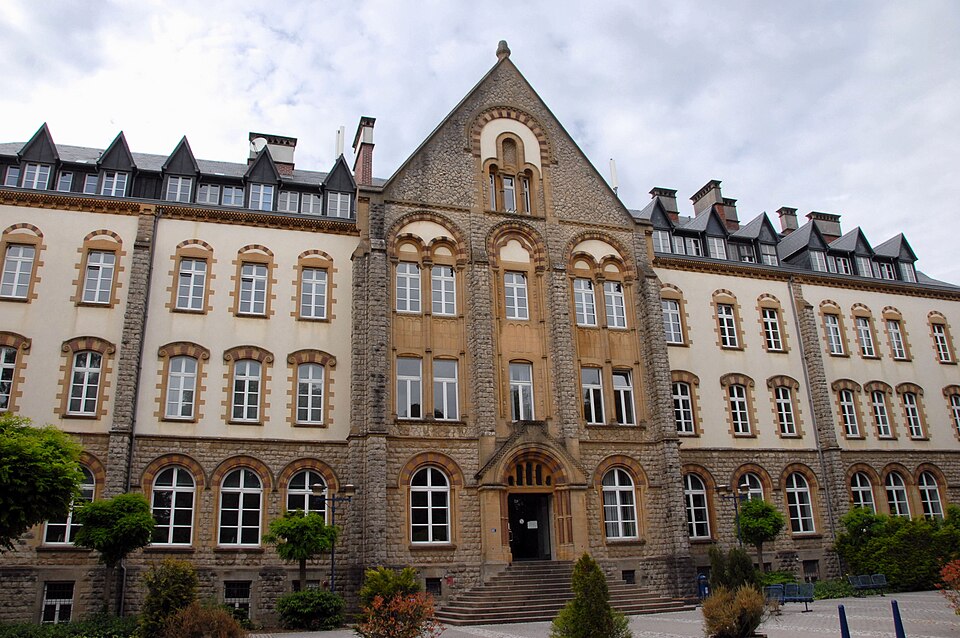
Malta recorded the largest increase, with its share rising by 29.9 percentage points over the period. Luxembourg followed with a 28.0-point increase, while Ireland recorded a rise of 25.9 points.
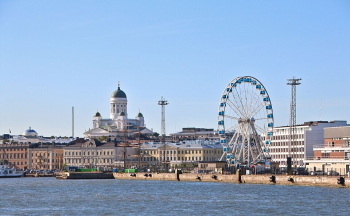
At the other end of the scale, Finland recorded the smallest increase, at just 0.7 percentage points. Romania saw a rise of 9.5 points, while Estonia increased by 11.2 points.
The divergence reflects differences in national education systems, demographics, labour-market structures and the pace at which countries expanded access to higher education.
Higher skills linked to changing labour markets
Eurostat said the long-term rise in tertiary attainment is partly linked to investment in higher education and growing demand for workers with advanced skills.
Changes introduced through the Bologna Process have also influenced the figures. The reforms encouraged greater compatibility between European higher education systems and contributed in some countries to a move towards shorter and more standardised degree programmes.
The expansion of tertiary education has therefore been accompanied by wider structural changes in how European universities organise and deliver qualifications.
Education remains central to EU sustainability goals
The tertiary attainment measure forms part of the EU's monitoring framework for Sustainable Development Goal 4, which focuses on ensuring inclusive and high-quality education and promoting lifelong learning opportunities.
Within the EU context, monitoring of SDG 4 covers several areas, including basic education, higher education, adult learning and digital skills.
The figures show significant progress towards the bloc's 2030 education objective, but they also underline persistent inequalities.
The gap between urban and rural attainment, together with the continuing difference between men and women, suggests that reaching the EU-wide target will not necessarily mean that access to higher education is equally distributed across European society.
With the EU average now only a fraction below the 45% benchmark, the focus is increasingly likely to shift from expanding overall participation to addressing the remaining disparities between countries and population groups. Photo by Fliedermaus at lb.wikipedia, Wikimedia commons.