














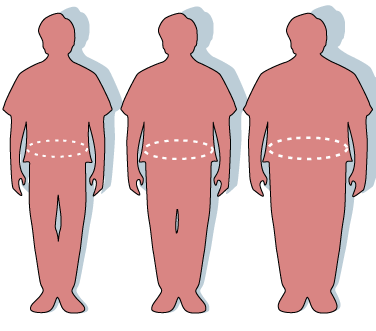
More than half of adults across the European Union were classified as overweight in 2025, according to new figures from Eurostat, with significant differences between men
and women and wide variations between member states.
Eurostat data show that 16.3% of people aged 18 and over in the EU were obese last year, defined as having a body mass index (BMI) of 30 or above. A further 35.4% were classified as pre-obese, with a BMI between 25 and 30.
Taken together, the figures mean that more than half of the EU's adult population fell into either the obese or pre-obese categories.
The data also reveal a clear gender divide. Men were considerably more likely than women to be overweight, with 17.4% of men classified as obese compared with 15.3% of women.
The difference was even more pronounced among those considered pre-obese. Some 41.9% of men were in this category, compared with 29.3% of women.
Women, meanwhile, were more likely to be underweight. Eurostat recorded an underweight rate of 2.9% among women, compared with 1.0% among men.
Malta records highest obesity rate
Obesity rates varied sharply across the EU.
Malta recorded the highest proportion of obese adults, at 26.6% — meaning more than one in four adults were classified as obese. Latvia followed at 24.6%, while Finland recorded a rate of 23.2%.
At the opposite end of the scale, Italy had the lowest obesity rate in the EU, at 7.0%. Greece recorded 12.8%, followed closely by Romania at 12.9%.
The figures underline substantial differences in adult weight profiles between EU countries, although Eurostat's statistics measure BMI categories rather than providing an explanation for the differences.
BMI is a widely used measure calculated from a person's weight and height. Eurostat uses the measure to classify adults into categories including underweight, normal weight, pre-obesity and obesity.
Obesity linked to EU sustainable development goals
Eurostat includes the obesity rate among the indicators used to monitor progress towards the United Nations Sustainable Development Goals (SDGs), particularly SDG 2 on zero hunger and SDG 3 on good health and well-being.
SDG 2 focuses not only on ending hunger but also on tackling malnutrition, improving nutrition and strengthening food security. While hunger remains a major global concern, Eurostat notes that obesity has become a widespread nutrition-related health issue in Europe.
SDG 3 seeks to promote healthy lives and well-being for people of all ages.
The latest figures therefore place obesity within a broader European debate about nutrition, health and living standards, as governments work towards the 2030 Sustainable Development Goals.
Source: Eurostat, EU statistics on income and living conditions and Sustainable Development Goal indicators. Photo by Renée Gordon, Wikimedia commons.