















The European Commission has given a positive preliminary assessment to Finland’s fifth request for funding under the EU’s Recovery and Resilience Facility (RRF), paving
the way for the country to receive €229.2 million in additional support from the NextGenerationEU recovery programme.
The Commission said Finland had met all 10 milestones and 12 targets linked to the latest payment request. The measures cover a broad range of policy areas, including climate action, environmental protection, digitalisation, cybersecurity, healthcare and social services, lifelong learning, research infrastructure and support for innovative businesses.
The assessment represents another step in the implementation of Finland’s national recovery and resilience plan, which is designed to strengthen the country’s economy while accelerating its green and digital transitions.
Green innovation and industrial decarbonisation
A significant part of the latest package focuses on research and development aimed at reducing emissions and strengthening Finland’s clean-energy capabilities.
New research opportunities have been opened in areas including electricity storage, renewable energy, energy efficiency, industrial decarbonisation and renewable hydrogen. The initiatives are intended to support technological development while helping Finland reduce its dependence on carbon-intensive energy and production.
The package also includes measures aimed at improving the international competitiveness of Finnish companies. Funding is being directed towards innovative businesses with the potential to expand into global markets, reinforcing sectors considered strategically important to Finland’s export-oriented economy.
Environmental and social measures
The latest reforms also include environmental measures designed to improve the condition of agricultural land. More than 50,000 hectares of fields are to benefit from gypsum treatment, which can help improve soil quality and reduce nutrient runoff into waterways.
Youth services are another focus of the payment request. Finland is expanding staffing at youth centres by 100 professionals working across health, education and social services. The measure is intended to strengthen support available to young people and improve access to essential services.
The recovery plan also supports the digital transformation of lifelong learning. New continuous-learning services are being developed to help people identify training opportunities, develop skills and receive guidance on education and career choices. The initiative is designed to make it easier for workers and learners to adapt to changing labour-market requirements.
Payment still requires final approval
The Commission has now forwarded its preliminary assessment to the Economic and Financial Committee (EFC), which has four weeks to issue its opinion.
Finland will receive the €229.2 million only after the EFC has delivered its assessment and the European Commission has formally adopted the payment decision.
Finland submitted its fifth payment request on 2 June 2026.
Finland has received most of its recovery funding
Finland's national recovery and resilience plan is backed by €1.95 billion in grants under the Recovery and Resilience Facility. The plan combines investments and structural reforms intended to advance the country’s climate and digital transitions while strengthening economic resilience.
If the latest payment is approved, total disbursements to Finland under the RRF will reach approximately €1.62 billion, including the clearance of outstanding pre-financing. That represents about 83% of the funding allocated to Finland under its national plan.
The Commission said 81% of the plan’s milestones and targets have now been fulfilled.
The timetable is particularly important because the Recovery and Resilience Facility is scheduled to close at the end of 2026. EU member states were therefore required to complete all remaining milestones and targets by 31 August and submit their final payment requests by the end of September.
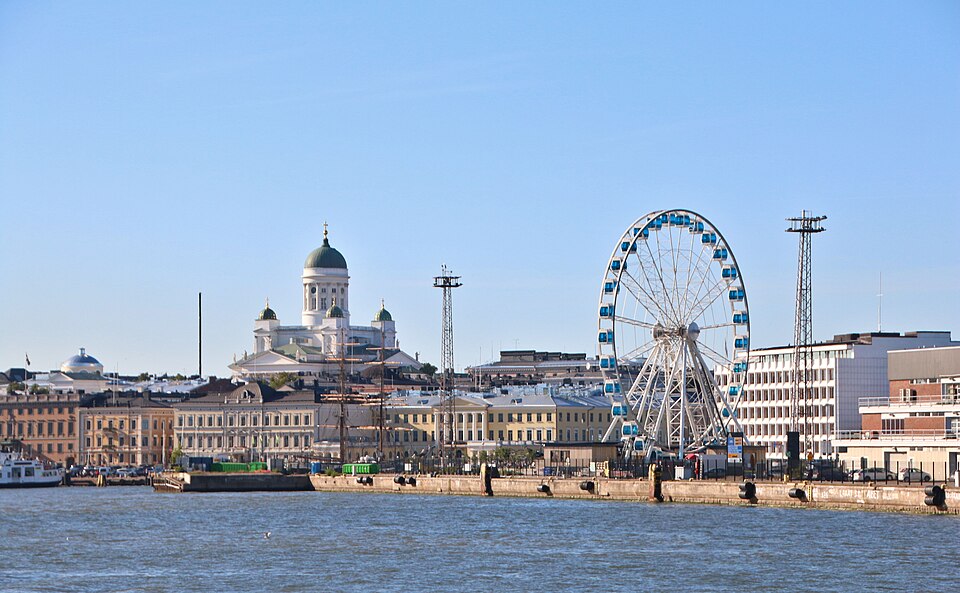
Finland’s latest assessment marks another step towards completing its recovery programme before the EU-wide funding mechanism reaches the end of its implementation period. Photo by দেবর্ষি রায় from Brno, Czech Republic, Wikimedia commons.