














Young people across the European Union are significantly more likely to engage in regular physical activity outside working hours than the population as a whole, according to
new Eurostat data for 2025.
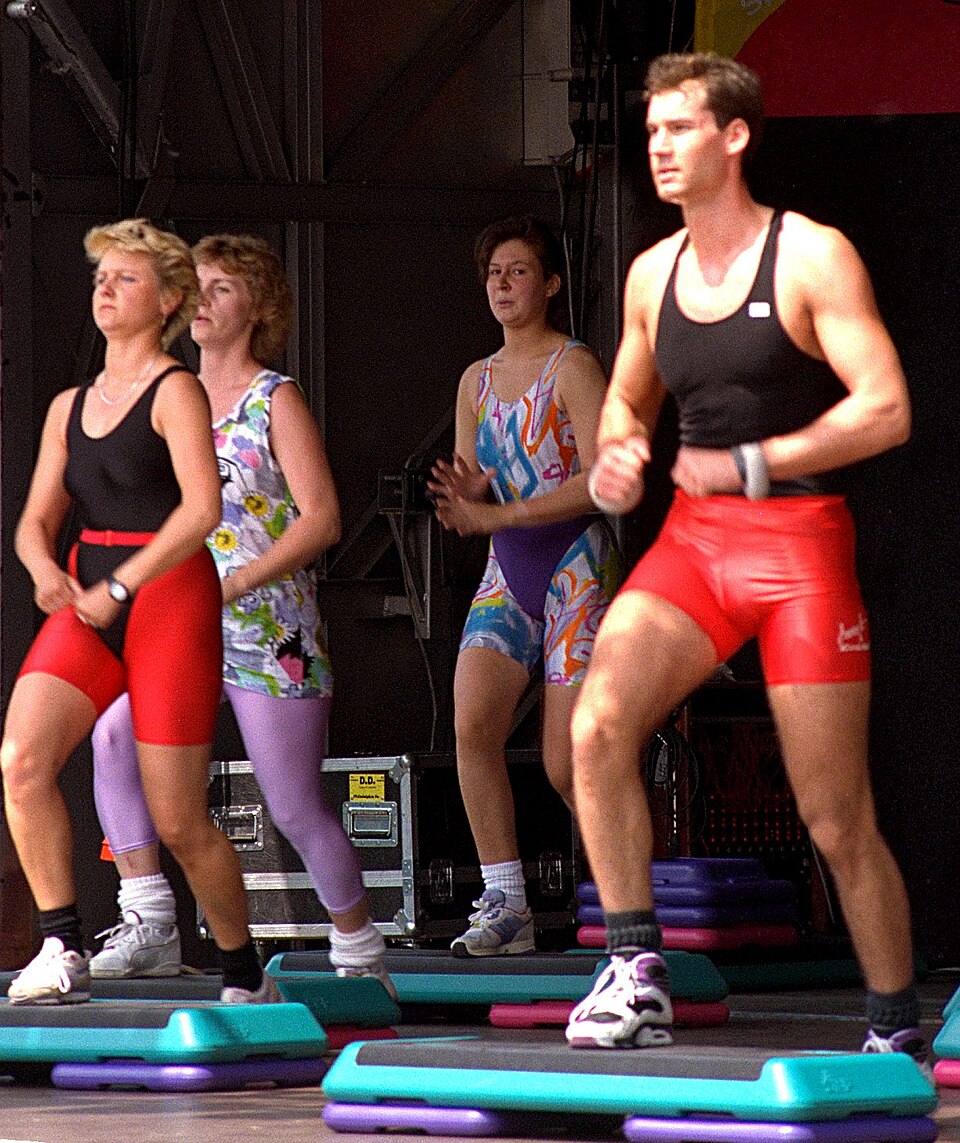
Nearly three-quarters (73.1%) of EU residents aged 16–29 reported taking part in some form of physical activity outside work at least once a week. This compares with 61.6% among the overall population aged 16 and over, highlighting a clear generational gap in exercise habits.
The difference is particularly pronounced among people who exercise several times during the week. In 2025, 18.3% of young Europeans said they were physically active four to six times a week, compared with 12.8% of the total population.
Daily exercise, however, was reported at broadly similar levels across age groups. Around one in five young people (20.9%) said they engaged in physical activity at least once a day, compared with 20.2% of the wider population.
At the other end of the scale, young people were considerably less likely to report being completely inactive. Just 16.3% of those aged 16–29 said they never participated in physical activity outside work, compared with 26.0% across the population aged 16 and over.
Young men exercise more frequently than young women
The Eurostat figures also reveal a gender gap in exercise frequency among younger Europeans.
Young men were more likely than young women to participate in physical activity four to six times a week. The proportion stood at 20.6% among men aged 16–29, compared with 16.0% among women of the same age.
Women, meanwhile, were more likely to report no physical activity outside working hours. Some 17.8% of young women said they did not exercise at all, compared with 14.9% of young men.
The figures suggest that although younger Europeans are generally more active than older age groups, participation remains uneven, particularly between men and women.
Major differences across EU countries
The level of physical activity among young people varies considerably from one EU member state to another.
Malta recorded the highest proportion of young people reporting no physical activity outside work, at 31.0%. Portugal followed with 28.5%, while Bulgaria recorded 28.4%.
At the opposite end of the scale, inactivity among young people was particularly uncommon in several northern and southern European countries. The share of 16–29-year-olds reporting no physical activity was below 3% in Greece, Denmark, Finland and the Netherlands.
The wide variation between countries points to significant differences in lifestyle, access to sport and recreational facilities, cultural habits and opportunities for young people to remain physically active.
Overall, the Eurostat data show that age remains an important factor in physical activity across the EU. Young Europeans are substantially more likely to exercise regularly and less likely to be inactive than the population as a whole, although significant differences persist between countries and genders.
Source: Eurostat, dataset ilc_hch07b, 2025. Photo by Wikimedia commons.