











The European Commission has committed more than €390 million to 135 environmental and climate initiatives across Europe, supporting efforts to protect biodiversity,
strengthen resilience to extreme weather, improve resource efficiency and accelerate the shift towards clean energy.
The funding is being provided through the European Union’s LIFE programme, which supports projects focused on environmental protection and climate action. The EU contribution will cover more than half of the €579 million required to implement the selected initiatives. The remaining investment will be provided by national, regional and local authorities, businesses, public-private partnerships, project partners and civil society organisations.
The projects are intended to advance Europe’s transition towards a climate-neutral, circular and more resilient economy. They will also help communities prepare for the growing risks associated with extreme weather and contribute to the EU’s long-term objective of achieving climate neutrality by 2050.
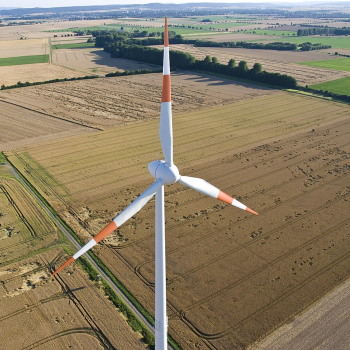
Funding will be distributed across four main areas: nature conservation and biodiversity, environmental protection and the circular economy, climate adaptation and mitigation, and the transition to clean energy.
Protecting wildlife and restoring natural habitats
A total of 29 projects in 16 EU Member States will receive support for nature conservation and biodiversity. Their combined budgets exceed €223 million, including more than €151 million in EU funding.
The initiatives include measures to restore coastal ecosystems, protect endangered wildlife and preserve vulnerable habitats across Europe.
In Belgium, the €9.2 million LIFE COCON project will focus on restoring coastal sand dunes. Bulgaria’s €12.6 million Diving Ducks LIFE initiative will work to conserve globally threatened diving duck species along the Black Sea–Mediterranean migratory route.
Other projects will target individual species facing significant conservation challenges. These include the sand jurinea plant in Czechia, supported by the €10.7 million LIFE for Jurinea project, and Finland’s Saimaa ringed seal, which will benefit from the €11.3 million LIFE SOS initiative.
Spain will receive support for LIFE SAVE Desman, a €17.6 million project aimed at protecting the Pyrenean desman, a rare semi-aquatic mammal. Romania and Bulgaria will also implement projects to conserve vulture populations, with budgets of €7.6 million and €5.2 million respectively.
Cleaner environments and a more circular economy
Another 36 projects across 13 Member States will receive nearly €163 million in combined investment, including almost €91 million from the EU. Their objectives include reducing pollution, improving resource efficiency, developing innovative waste and wastewater solutions, and enhancing people's quality of life.
Belgium’s LIFE RESHAPE-D project, with a budget of €25.8 million, will seek to reduce flood risks in the Dender Valley by restoring natural water-management processes. The initiative is designed to demonstrate how working with natural systems can help communities cope with flooding.
In Slovakia, the €4.4 million LIFE ECOPRESSURE project will use advanced real-time tyre-inflation technology to help improve air quality and reduce the release of microplastics from tyres.
The Netherlands will host LIFE Waterhub, an €11.1 million initiative demonstrating a flexible wastewater-treatment system. Meanwhile, the €2 million LIFE MUMs project will seek to reduce women's exposure to endocrine-disrupting chemicals, which can interfere with the body's hormonal systems.
Together, these projects aim to demonstrate practical approaches to environmental challenges while supporting cleaner and more sustainable economic activity.
Building resilience to climate change
The Commission has allocated more than €102 million to 26 projects focused on climate adaptation and mitigation. The EU contribution will exceed €61 million.
In Germany, CARENA LIFE will receive €10 million to advance nature-based methods of removing carbon dioxide from the atmosphere. Ireland’s €4.4 million LIFE FLOW project will incorporate nature-based solutions to improve protection against heavy rainfall and storms.
The Mediterranean region will benefit from LIFE POSTFIRE, a €5.9 million initiative supporting the restoration of areas damaged by wildfires.
Other projects will focus on reducing emissions from specific industries and developing new low-carbon materials. Austria’s €1.9 million FGasFree LIFE project will work towards refrigerated transport systems that do not rely on fluorinated gases, while Finland’s €3.4 million LIFE CCC BUILD initiative will transform forestry and agricultural residues into building materials capable of storing carbon.
Three additional projects, with a combined budget of €7.8 million, will support the implementation of climate policies, public awareness and compliance with EU climate legislation.
Accelerating Europe's clean energy transition
Clean energy will receive support through 44 projects with a combined budget exceeding €91 million, of which nearly €87 million will come from the EU. Many of these initiatives will operate across several countries, including EU Member States and countries associated with the LIFE programme.
The €15.8 million LIFE EUCF City Facility 3.0 project will provide technical and financial assistance to local authorities seeking to invest in sustainable energy. Its coverage extends across the EU and includes Iceland, Moldova, Montenegro, North Macedonia and Ukraine.
In Portugal, the LIFE SET-M project, with funding of €733,218, will support energy-efficiency improvements in buildings owned by social solidarity institutions.
Two further initiatives will promote investment in modern district heating and cooling infrastructure. Croatia's LIFE RISE DHC and Denmark's LIFE GREETIN, each with a budget of €2.1 million, will help develop more efficient systems across several EU countries.
The projects are intended to support the deployment of sustainable energy solutions, improve the performance of buildings and heating networks, and help local authorities overcome financial and technical barriers to investment.
Record number of applications for LIFE funding
The 135 selected initiatives were chosen from a record 1,095 applications submitted under the LIFE programme's 2025 calls for proposals. Individual project budgets range from less than €650,000 to more than €15 million.
The amount allocated through the programme has increased by 9% compared with the previous year, reflecting continued EU support for environmental protection and climate action.
Established more than three decades ago, LIFE has co-financed over 6,700 environmental and climate projects across the EU and associated countries. The current funding cycle runs from 2021 to 2027 and has a total budget of €5.43 billion.
The European Climate, Infrastructure and Environment Executive Agency (CINEA) is responsible for managing grants awarded under the programme.
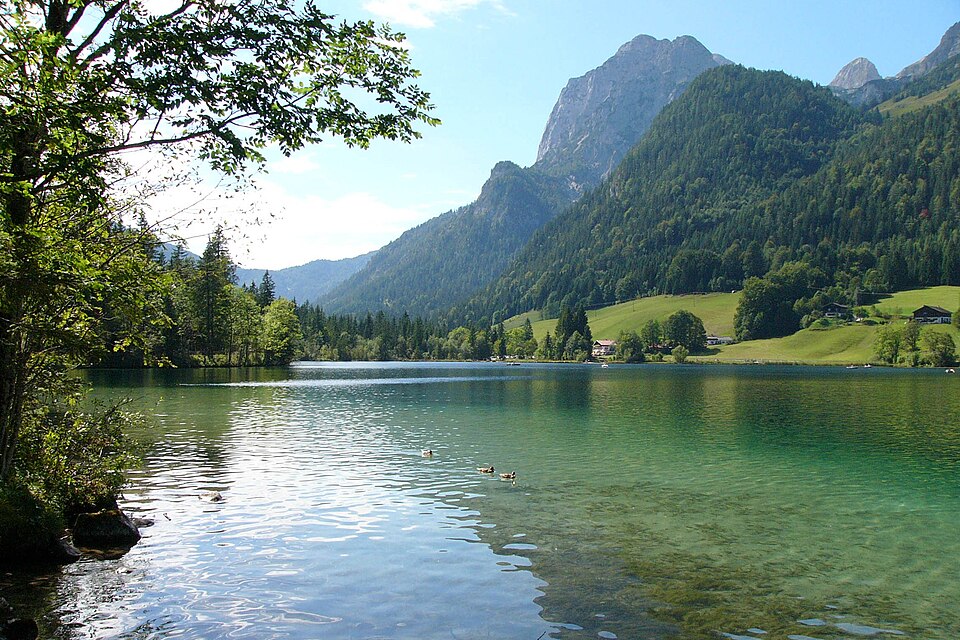
Through the latest funding round, the Commission aims to support practical solutions that protect ecosystems, reduce pollution, strengthen climate resilience and make clean energy more accessible. The projects will also seek to demonstrate approaches that can be expanded or replicated elsewhere, helping translate the EU's environmental and climate objectives into measurable results. Photo by Nikater, Wikimedia commons.