











Portugal is heading for an unprecedented presidential run-off after voters delivered a fragmented result in the first round of elections, pushing a centre-left Socialist and a far-right
leader into a decisive second vote.
Antonio José Seguro, representing the Socialist Party, emerged as the frontrunner on Sunday with 31.1 percent of the vote. He will face André Ventura, the leader of the far-right Chega party, who secured 23.5 percent. Liberal Initiative leader João Cotrim de Figueiredo finished a distant third with around 16 percent.
With neither candidate reaching the required 50 percent threshold, the race now moves to a run-off scheduled for February 8. It will be only the second presidential run-off in Portugal since the country’s return to democracy more than 40 years ago, and the first time a far-right candidate has reached this stage of a presidential contest.
Nearly 11 million voters were eligible to take part in the election, which featured a crowded field of 11 candidates. The results reflect a deeply divided electorate and underline the growing influence of Chega, a party founded just six years ago that surged to become the second-largest force in parliament last year.
Ventura’s rise has been driven largely by his hardline rhetoric on immigration. Throughout the campaign, he plastered the country with provocative and widely criticised billboards carrying slogans such as “This isn’t Bangladesh” and “Immigrants shouldn’t be allowed to live on welfare.” While these messages resonate strongly with his core supporters, they have failed to gain traction across the broader political spectrum.
Opinion polls suggest Ventura is likely to struggle in the second round, regardless of his opponent, due to limited appeal beyond Chega’s base. Several mainstream parties have already distanced themselves from the run-off. Prime Minister Luís Montenegro, leader of the centre-right Social Democrats, announced his party would back neither candidate, while Cotrim de Figueiredo said he would not support Ventura.
Despite finishing second, Ventura struck a defiant tone after the vote, insisting victory is still within reach. “Now we need to unite the entire right wing,” he told reporters. “I will fight day by day, minute by minute, second by second, so that there won’t be a socialist president. We will win.”
The presidency in Portugal is largely ceremonial, with no direct executive authority. However, the role carries significant moral and political weight. The president can veto legislation, dissolve parliament, and call early elections, making the office an important counterbalance within the political system.
The February 8 vote will determine who succeeds outgoing President Marcelo Rebelo de Sousa, who is stepping down after serving the maximum two five-year terms.
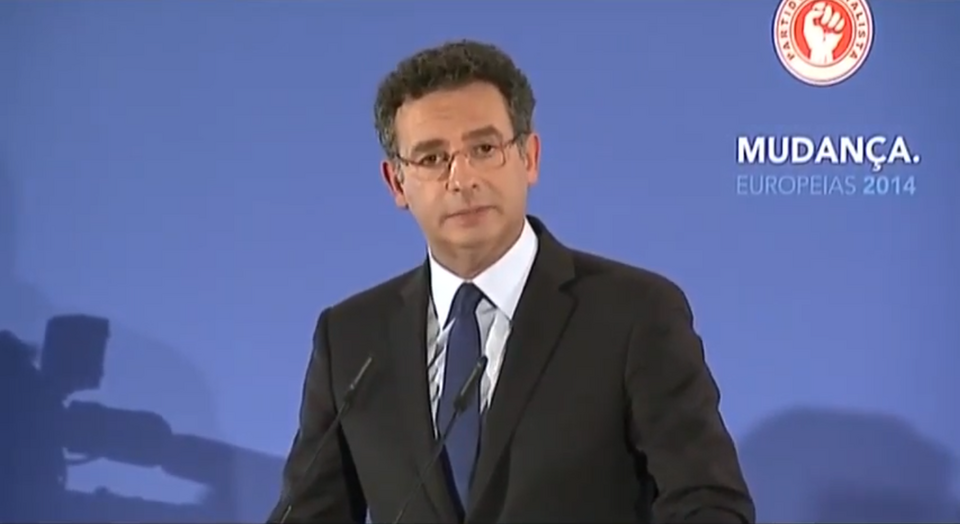
While the election is being closely watched domestically, its broader impact on the European Union is expected to be limited. Portugal accounts for roughly 1.6 percent of the EU’s GDP, and its political shifts rarely alter the bloc’s overall direction. Still, the advance of a far-right candidate to a presidential run-off marks a symbolic moment in Portuguese politics, reflecting wider trends seen across Europe. Photo by Agencia LUSA, Wikimedia commons.