











As a storm of conflicts, rising militarisation and geopolitical fragmentation rattles the globe, the annual Global Peace Index 2025 paints a sobering
picture: for the 13th time over the last 17 years, the world’s overall peacefulness has declined.
The GPI — compiled by Institute for Economics & Peace — ranks 163 independent states and territories (covering 99.7% of the world’s population) across 23 quantitative and qualitative indicators. These indicators measure societal safety & security, ongoing domestic and international conflict, and militarisation.
Global peace deteriorated by 0.36% in 2025, with 87 countries seeing declines in their peacefulness, and just 74 improving. The number of active state-based conflicts has climbed to levels unseen since World War II — challenging the notion that we are living in a stable global era.
But even amid upheaval, a handful of countries remain beacons of stability. Their secret? A combination of robust institutions, low crime, minimal militarisation, and social cohesion.
Top 10 most peaceful countries in 2025
According to the Global Peace Index 2025, these are the countries that have maintained, or improved, peace despite global turbulence:
| Rank | Country | GPI Score (2025)
| ---- | ----------- | ------------------------------- |
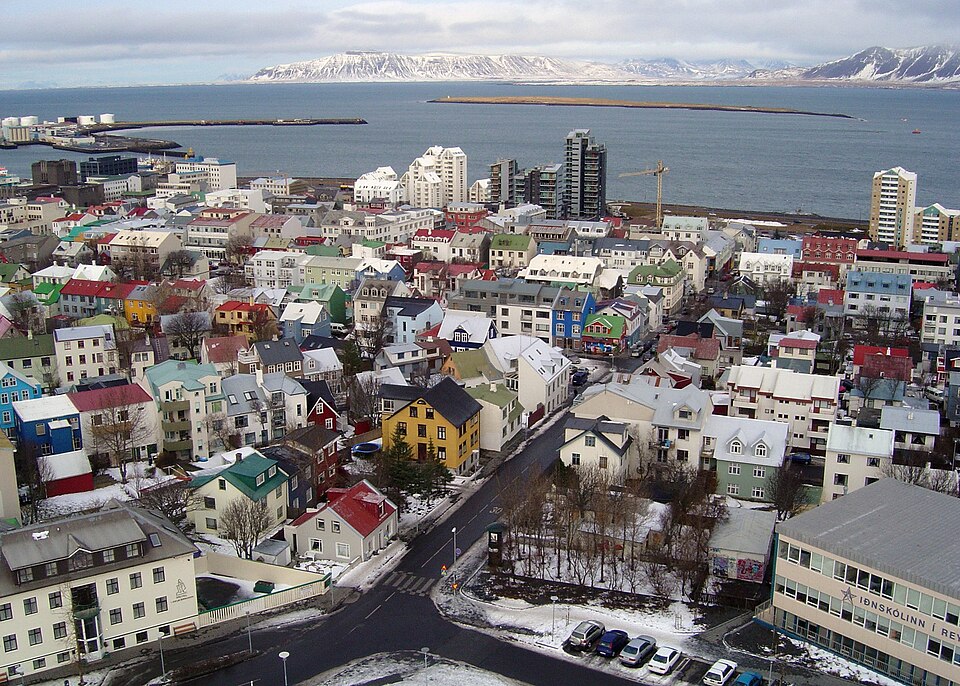
| 1 | Iceland | 1.095
| 2 | Ireland | 1.260
| 3 | New Zealand | 1.282
| 4 | Austria | 1.294
| 5 | Switzerland | 1.294
| 6 | Singapore | 1.357
| 7 | Portugal | 1.371
| 8 | Denmark | 1.393
| 9 | Slovenia | 1.409
| 10 | Finland | 1.420
What makes them leaders in peace
Strong institutions & governance: Countries like Iceland, Ireland, Switzerland, and Denmark benefit from stable democratic institutions, low corruption, and effective public services — which help maintain societal safety and trust.
Low militarisation and minimal conflict involvement: Many top-ranked countries have little or no involvement in external conflicts — and often maintain lower military expenditures — reducing risks associated with war or internal strife.
Social cohesion & safety: Low crime rates, minimal internal violence, and high sense of security among citizens contribute to high “Positive Peace” — the underlying social and institutional factors that sustain long-term peacefulness.
Resilience amid global instability: Even as global conflict and militarisation rise, these countries have managed to insulate themselves — through strong governance, neutrality, or social welfare systems — offering a degree of stability rare in 2025.
Why it matters — and what it means for the world
The 2025 GPI reveals troubling global trends: more conflicts, increased militarisation, and worsening overall peace — even as some countries manage to stay calm islands of stability.
For global policymakers and civil society, the message is clear: peace is not automatic. It requires strong institutions, social equity, low corruption, good governance, and a commitment to conflict-resolution. The top-ranked countries show what “positive peace” looks like in practice.
Yet their success also highlights a growing divide: while a small group of nations thrives in peace, the majority of the world faces escalating risk — underscoring the urgency of renewed efforts to promote stability, human security, and conflict prevention worldwide. Photo by robingileo, Wikimedia commons.