





















The European Commission has approved Hungary’s request to join the European Public Prosecutor’s Office (EPPO), making it the 25th European Union member state to
participate in the body responsible for investigating crimes involving EU funds.
The decision marks a significant development in Hungary’s relationship with EU institutions and comes after Budapest formally applied to join the EPPO in May 2026. The Commission said the move reflected Hungary’s renewed commitment to strengthening safeguards against fraud and corruption and improving the protection of European taxpayers’ money.
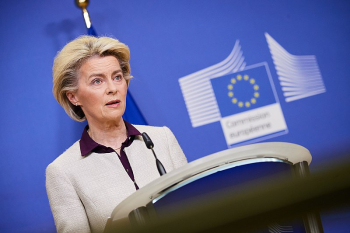
European Commission President Ursula von der Leyen welcomed the decision, saying it would provide Hungarian citizens with stronger protections over how EU funds are managed.
“Today brings good news for Hungary. This is a welcome step in the fight against fraud and corruption,” she said. “The people of Hungary will now have a safeguard in place to ensure EU funds work in their interest.”
The European Public Prosecutor’s Office investigates and prosecutes serious financial crimes affecting the EU budget, including fraud, corruption, money laundering and misuse of European funds.
Under the decision, the EPPO will establish a permanent presence in Hungary and will be able to investigate cases involving EU money spent in the country.
The Commission said Hungary’s accession also changes the legal status of the EPPO within the EU. The regulation governing the prosecutor’s office, originally created through the mechanism of “enhanced cooperation”, will now become part of the EU’s legal framework, known as the acquis communautaire.
This means future EU members will be required to join the EPPO as part of their accession process.
Next steps for Hungary
The Commission’s decision will take effect 20 days after its publication in the Official Journal of the European Union.
Hungarian authorities must now nominate three candidates for the position of European Prosecutor in Hungary. The final appointment will be made by the Council of the EU after receiving advice from an independent selection panel made up of senior legal experts, including representatives from the Court of Justice of the EU, the European Court of Auditors and Eurojust.
Hungary will also need to nominate European Delegated Prosecutors who will work directly with the EPPO’s central office.
The Hungarian government must provide the necessary staff and resources to allow the office to begin operating effectively.
The EPPO will become operational in Hungary 20 days after the Council appoints the country’s European Prosecutor. It will have authority to investigate crimes involving EU funds committed in Hungary from 1 June 2021 onwards, when the EPPO began its activities.
Strengthening EU financial oversight
Established in 2021 under the EPPO Regulation, the European Public Prosecutor’s Office has become a key part of the EU’s efforts to combat financial crime. By the end of December 2025, it was handling more than 3,600 investigations across participating countries.
The EPPO currently includes 25 EU member states. Denmark and Ireland remain outside the system because they have opted out of certain areas of EU justice and security cooperation.
The prosecutor’s office was initially created through enhanced cooperation, a mechanism allowing a group of member states to move forward with deeper integration in specific policy areas. With nearly all EU countries now participating, the EPPO regulation will become part of the wider EU legal order.
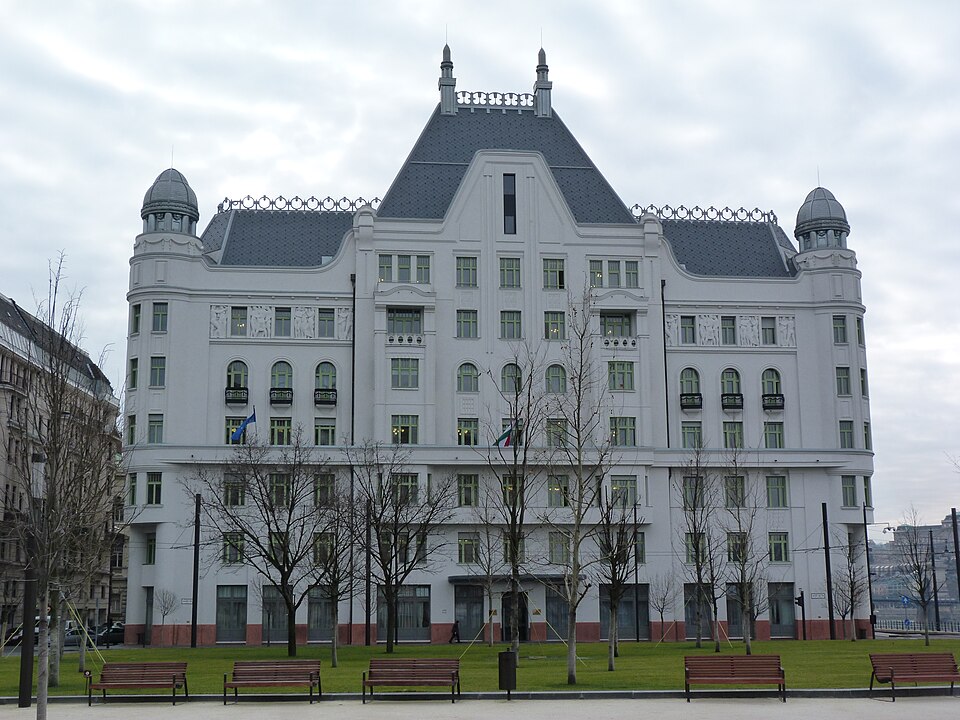
The Commission said Hungary’s participation represents a further step towards ensuring that European funds are protected consistently across the Union. Photo by Derzsi Elekes Andor, Wikimedia commons.