













The European Commission has issued new guidance aimed at preventing the EU's methane emissions rules from disrupting energy supplies, as Europe continues to grapple
with volatile global oil and gas markets following conflict in the Middle East.
Brussels said the recommendations are designed to ensure that the EU's landmark methane regulation, due to impose new import requirements from January 2027, does not threaten the bloc's energy security at a time of tight global supplies and elevated prices.
The Commission said it remains prepared to take further action if Europe's energy security comes under pressure in the coming months and is continuing to monitor market conditions alongside EU member states.
The guidance includes two recommendations covering how companies can comply with the regulation and how national governments should apply penalties.
Under the first recommendation, oil, gas and coal importers will be given greater flexibility in demonstrating compliance with the new rules. Rather than requiring companies to trace individual shipments of fuel, the Commission says importers can use broader verification methods, including certification schemes and "trace and claim" systems, particularly where supply chains are complex.
The Commission said the approach would simplify compliance for businesses while maintaining the regulation's environmental objectives.
A second recommendation addresses penalties for companies that fail to comply with the new requirements.
Most EU countries have yet to establish penalty systems under the regulation, leaving energy companies uncertain about the financial risks of importing fuel that may not fully meet the new standards.
To reduce the risk of supply disruptions, the Commission has recommended that member states suspend financial penalties for non-compliance for the first three years of the import regime, from 2027 until the end of 2029.
The Commission stressed that companies would still be required to comply with the regulation during that period, but said penalties should remain proportionate and should not jeopardise Europe's security of supply.
Brussels said the recommendations are intended to provide greater legal certainty for businesses while encouraging a coordinated approach across the EU, ensuring the methane regulation does not become an unintended barrier to energy imports.
The EU Methane Regulation, adopted in 2024, is the first law of its kind to regulate methane emissions from both domestic production and imported oil, gas and coal. The import provisions will begin to take effect from 1 January 2027, with emissions monitoring requirements introduced in the first phase.
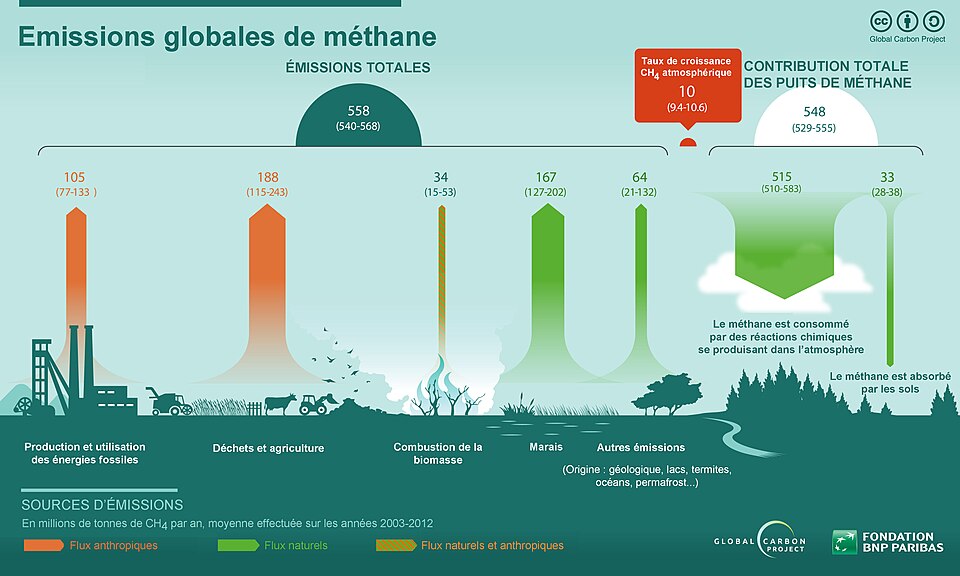
The EU says the legislation, together with international commitments under the Global Methane Pledge, is intended to strengthen global efforts to reduce methane emissions, one of the most powerful greenhouse gases contributing to climate change. Photo by Mice of Mu, Wikimedia commons.