











The number of professional judges across the European Union has fallen over the past decade, according to new figures, although the picture varies widely between member
states.
In 2024, the EU recorded an average of 15.7 professional judges for every 100,000 people, down from 17.7 in 2014.
Croatia had the highest concentration of judges, with 43.3 per 100,000 people, followed by Slovenia (40.2). Luxembourg (36.0), Bulgaria (35.4) and Romania (35.3) also ranked among the countries with the largest judicial workforces relative to their populations.
At the other end of the scale, Ireland had by far the fewest judges, with 3.6 per 100,000 people. Austria (4.3), Spain (6.2), Czechia (6.7) and Italy (7.9) also recorded comparatively low ratios.
The data also show that women now make up the majority of professional judges in almost every EU country.
Ireland was the only exception, where men accounted for 56.4% of judges, compared with 43.6% for women — equivalent to 110 male judges and 85 female judges.
Slovenia recorded the highest proportion of female judges, with women representing 81.4% of the profession (694 women and 159 men). Latvia followed with 79.7%, while Greece reported 75.5%.
Germany's judiciary was the most evenly balanced among the larger member states, with women accounting for 50.7% of professional judges — 11,139 women compared with 10,813 men.
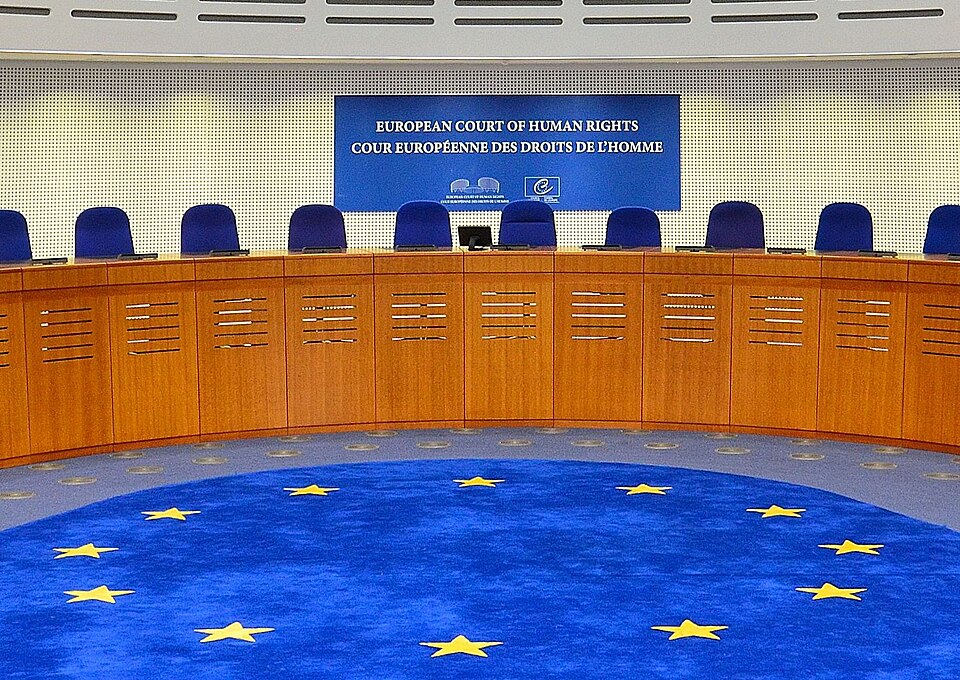
The figures were published to coincide with the Day of International Criminal Justice on 17 July. The annual observance marks the adoption of the Rome Statute in 1998, which established the International Criminal Court, the world's only permanent international criminal court with global jurisdiction. Photo by Adrian Grycuk, Wikimedia commons.