



Latest News

Belgium backs France’s expanded nuclear deterrence plan as Macron seeks stronger European defence

Belgium backs France’s expanded nuclear deterrence plan as Macron seeks stronger European defence Belgium backs France’s expanded nuclear deterrence plan as Macron seeks stronger European defence
  Belgium will take part in a new French-led nuclear deterrence initiative, Prime Minister Bart De Wever confirmed, marking a significant...
Read More...

Women now hold over a third of EU managerial roles, but gaps remain

Women now hold over a third of EU managerial roles, but gaps remain Women now hold over a third of EU managerial roles, but gaps remain
  In 2024, women occupied 35.2% of managerial positions across the European Union, marking a steady rise from 31.8% a decade earlier, according...
Read More...

EU approves €266.8 million payment to Slovenia under NextGenerationEU recovery plan

EU approves €266.8 million payment to Slovenia under NextGenerationEU recovery plan EU approves €266.8 million payment to Slovenia under NextGenerationEU recovery plan
  The European Commission has given the green light to Slovenia’s fifth payment request worth €266.8 million under NextGenerationEU,...
Read More...

Must Read

Most Popular Stories

VIDEO AND audio news:

Features, views, analysis

business

Latest News

Belgium backs France’s expanded nuclear deterrence plan as Macron seeks stronger European defence

Belgium backs France’s expanded nuclear deterrence plan as Macron seeks stronger European defence Belgium backs France’s expanded nuclear deterrence plan as Macron seeks stronger European defence
  Belgium will take part in a new French-led nuclear deterrence initiative, Prime Minister Bart De Wever confirmed, marking a significant...
Read More...

Women now hold over a third of EU managerial roles, but gaps remain

Women now hold over a third of EU managerial roles, but gaps remain Women now hold over a third of EU managerial roles, but gaps remain
  In 2024, women occupied 35.2% of managerial positions across the European Union, marking a steady rise from 31.8% a decade earlier, according...
Read More...

EU approves €266.8 million payment to Slovenia under NextGenerationEU recovery plan

EU approves €266.8 million payment to Slovenia under NextGenerationEU recovery plan EU approves €266.8 million payment to Slovenia under NextGenerationEU recovery plan
  The European Commission has given the green light to Slovenia’s fifth payment request worth €266.8 million under NextGenerationEU,...
Read More...

Must Read

Most Popular Stories

The IMF board approved $2.77 billion in emergency aid for Egypt on Monday, to help the country deal with the impact of the coronavirus pandemic, but said the government will

need more financial help.

The country had seen a "remarkable turnaround" prior to the COVID-19 shock, under a fund-supported economic reform program, but that progress is now threatened, the IMF said in a statement.

The emergency funding will help finance "targeted and temporary spending, aimed at containing and mitigating the economic impact of the pandemic," First Deputy Managing Director Geoffrey Okamoto said.

However, he cautioned that Cairo will need "additional expeditious support from multilateral and bilateral creditors ... to close the remaining balance of payments gap, ease the adjustment burden, and preserve Egypt's hard-won macroeconomic stability."

The emergency funds come from the Washington-based crisis lender's Rapid Financing Instrument, which has been ramped up to get aid quickly to developing nations most vulnerable to the economic effects of shutdowns to contain the outbreak.

IMF Managing Director Kristina Georgieva said the fund has received over 100 requests for aid from its members, and that developing countries will need about $2.5 trillion to deal with the impacts of the pandemic. Last week the fund said it had approved 50 such loans.

Egypt has suffered over 500 COVID-19 fatalities with nearly 10,000 cases, according to John's Hopkins University's tally.

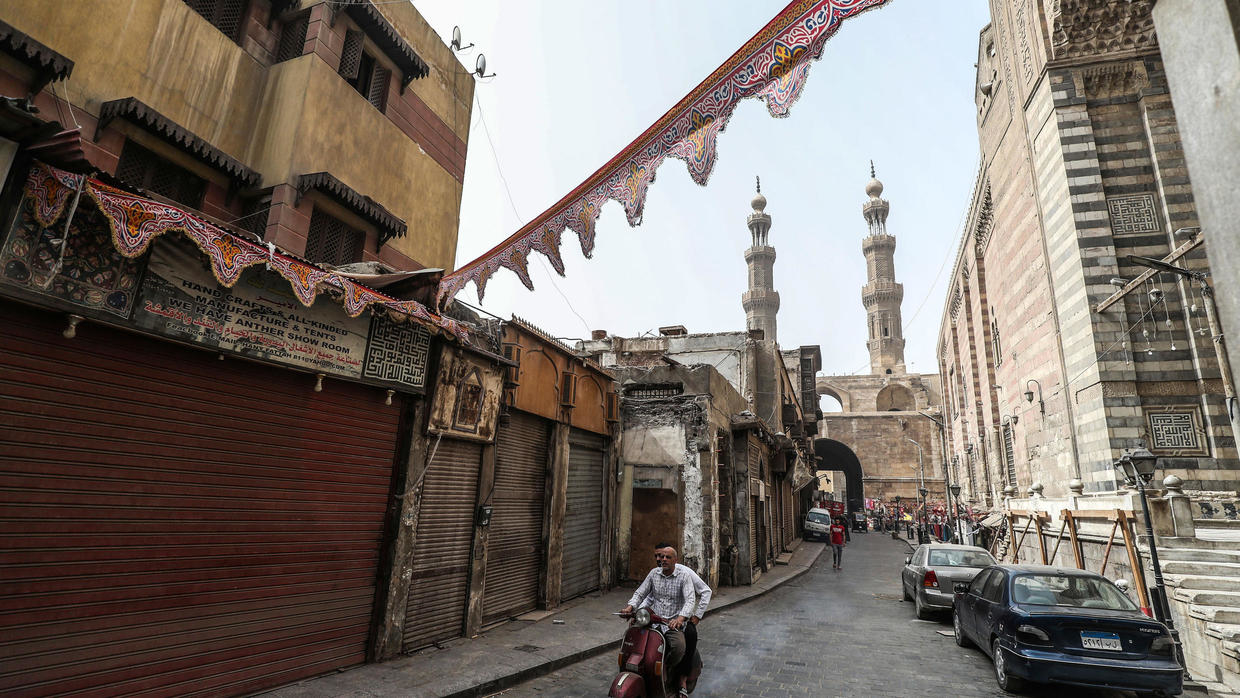
The country has gradually started to reopen after President Abdel Fattah al-Sisi's government has loosened a strict curfew for the Muslim holy month of Ramadan in an effort to kickstart North Africa's largest economy.

Having shuttered shops and cafes in late March and forced millions of civil servants to stay home, it is slowly reversing some of these measures, bringing back many state workers and extending the trading hours of shops and malls.AFP

deneme