

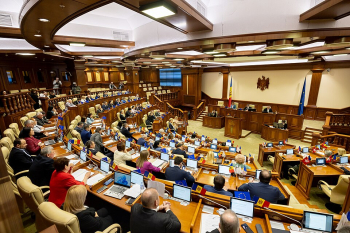







Armenians went to the polls on Sunday in a closely watched parliamentary election that could shape the country’s geopolitical direction for years to come, as the government
continues its attempt to secure a fragile peace following its defeat by Azerbaijan three years ago.
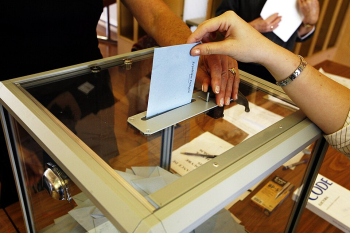
Voting took place across more than 2,000 polling stations, with citizens choosing between 16 political parties and two electoral blocs competing for seats in the National Assembly. In the capital Yerevan, turnout appeared steady as voters cast ballots under the shadow of economic uncertainty, regional tensions, and deep political division.
Pre-election surveys suggested Prime Minister Nikol Pashinyan’s ruling Civil Contract party remained in the lead, with support reaching up to 32 percent. The pro-Russian opposition bloc Strong Armenia trailed significantly, polling at around 11 percent.
Since taking power in 2018, Pashinyan has steered Armenia toward closer ties with Europe and attempted to reduce dependence on Russia—its traditional security and economic partner. That shift has increasingly strained relations with Moscow, which critics say has responded with growing pressure.
Areg Kochinyan, head of the Armenian Council think tank, told Polish Radio External Service that Russia has intensified efforts to influence Armenia ahead of the vote. According to him, this goes beyond disinformation campaigns and extends into economic leverage.
“Russia is increasingly restricting the imports of Armenian goods to Russia by expanding the list of products barred from entering the Russian market,” Kochinyan said, describing what he views as a form of economic pressure. He also pointed to Armenia’s reliance on Russian energy supplies, warning that gas and fuel dependencies remain a key vulnerability.
Domestically, Pashinyan’s record is mixed. Armenia’s GDP per capita has reportedly doubled during his time in office, but his leadership has also faced sustained criticism. Opposition figures accuse him of making too many concessions to Azerbaijan following the 2023 conflict, which reshaped regional borders and deepened political divisions at home.
Kochinyan said the election outcome could prove decisive. A continuation of Pashinyan’s rule, he argued, would likely mean further alignment with the European Union and efforts to normalize relations with Turkey and Azerbaijan. A shift toward pro-Russian forces, by contrast, could signal a return to closer ties with Moscow and a rollback of recent foreign policy changes.
Such a scenario, he warned, could also stall regional reconciliation efforts and increase instability in Armenia’s neighborhood.
At the same time, critics and human rights groups have raised concerns about political freedoms under Pashinyan’s government, pointing to arrests of opposition figures in the run-up to the vote, including candidates linked to Strong Armenia.
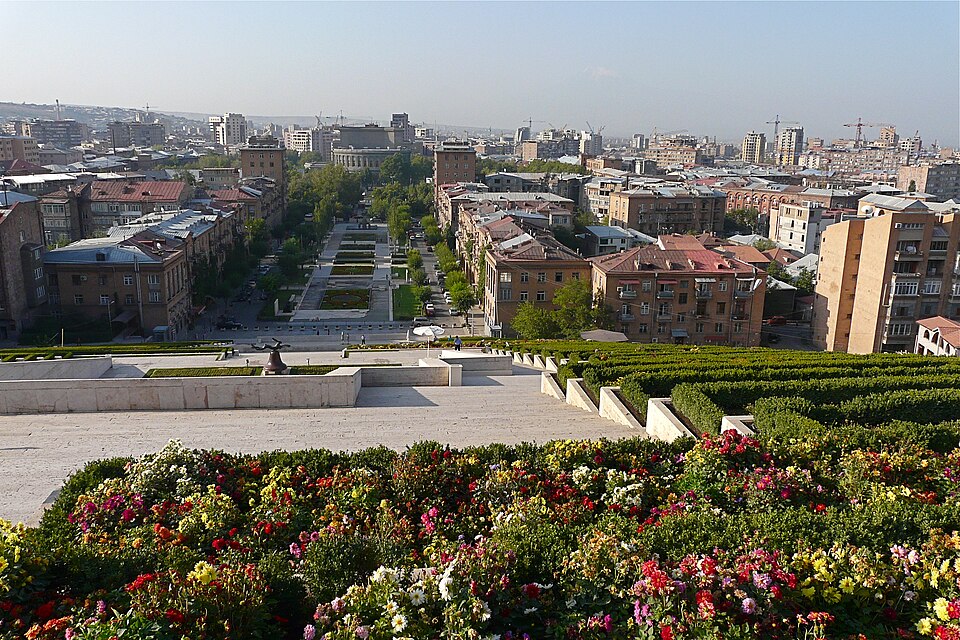
In a country of roughly three million people, about 2.48 million citizens are registered to vote—underscoring the high stakes of an election widely seen as a referendum not only on leadership, but on Armenia’s future orientation between East and West. Photo by Rita Willaert from 9890 Gavere, Belgium, Wikimedia commons.