










Brussels has been officially designated the European Capital of Democracy for the coming year, reinforcing its status as a political and civic hub at the heart of Europe.
The announcement, made by city authorities on Tuesday, follows a competitive selection process that drew participation from thousands of citizens across the continent. Brussels secured the title after a vote involving more than 5,500 people from 46 member states of the Council of Europe, along with Kosovo.
The Belgian capital submitted its candidacy under the striking slogan “Brussels must be DemoCrazy,” presenting itself as a counterforce to what it described as a global decline in democratic values. City officials positioned Brussels not only as the administrative centre of Europe but also as a leading force in shaping modern, participatory democracy.
Mayor Philippe Close and Alderman for Citizen Participation Frederik Ceulemans played a central role in the bid. Earlier this year, they hosted an expert jury, showcasing a range of grassroots initiatives across the city. From City Hall to neighbourhood projects, residents, associations and local organisations demonstrated how democratic engagement is being practised on a daily basis.
These initiatives highlighted Brussels’ commitment to involving citizens directly in decision-making processes — a key factor in winning over both the expert panel and the European citizens’ jury.
Over the next year, Brussels will host a wide programme of debates, public events and collaborative projects focused on democratic innovation, civic participation and open dialogue. According to city leaders, the goal is to strengthen democracy not only at institutional levels but also within local communities.
“Democracy is not only shaped in parliaments,” city officials said in a statement, “but above all in neighbourhoods, public spaces and city halls.”
The European Capital of Democracy title recognises cities that actively create opportunities for citizens to participate in shaping public life. For Brussels, it is both a recognition and a responsibility — to lead by example at a time when democratic systems face increasing pressure worldwide.
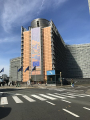
Brussels is not only the capital of Belgium but also widely regarded as the de facto capital of the European Union. It hosts key institutions such as the European Commission, the Council of the European Union, and is one of the main seats of the European Parliament.
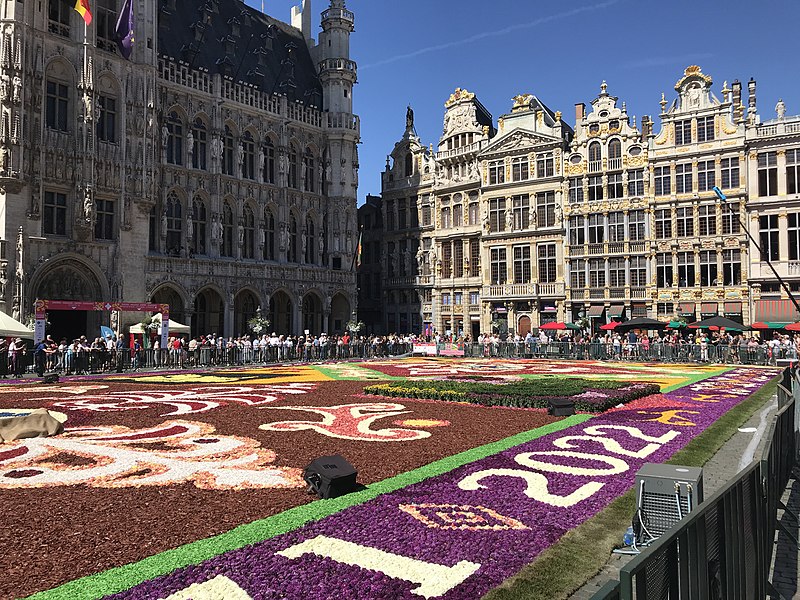
The city is known for its multicultural character, with a population representing dozens of nationalities and languages. Alongside its political importance, Brussels is famous for its historic architecture, including the UNESCO-listed Grand Place, as well as its culinary specialties such as Belgian waffles, chocolate and craft beer.
As a cultural centre, Brussels blends medieval heritage with modern European identity — making it a fitting stage for initiatives aimed at strengthening democracy across the continent.