















In a significant pivot toward tech competitiveness, European Union negotiators reached a breakthrough political agreement today to streamline artificial intelligence
regulations. The deal, known as the Digital Omnibus on AI, aims to strip away bureaucratic hurdles for businesses while slamming the door on predatory "nudification" apps.
The agreement between the European Parliament and the Council of the EU comes just five months after the Commission first proposed the measure. Officials say the update is designed to turbocharge Europe’s AI sector without compromising the safety standards of the landmark AI Act.
A two-track timeline for high-risk tech
To prevent a "compliance cliff," the EU has established a staggered rollout for high-risk AI systems. This gives developers breathing room to align with technical standards:
December 2, 2027: Rules take effect for "high-stakes" sectors including biometrics, critical infrastructure, education, employment, and border control.
August 2, 2028: Compliance becomes mandatory for AI integrated into physical products, such as lifts, medical devices, and toys.
Cracking down on ‘nudification’
While the deal eases the path for legitimate business, it tightens the net around harmful applications. The agreement explicitly prohibits AI systems used to generate non-consensual sexually explicit content—often referred to as "nudification" apps—as well as child sexual abuse material.
"This agreement delivers safer and simpler rules for both citizens and businesses," the Commission stated, emphasizing that fundamental rights remain a non-negotiable pillar of the digital single market.
Boosting the "innovator's edge"
For the private sector, the Digital Omnibus represents a major win for small and mid-sized players. Key updates include:
Expanded Privileges: Regulatory exemptions previously reserved for SMEs are now extended to "small mid-cap" companies.
Regulatory Sandboxes: More innovators will gain access to EU-level "sandboxes," allowing them to test AI solutions in real-world environments under regulatory supervision.
Cutting the Duplication: The deal clarifies how the AI Act interacts with existing product safety laws, such as the Machinery Regulation, ensuring businesses don't have to jump through the same hoop twice.
Strengthened oversight
To ensure these simpler rules are followed, the Commission AI Office will receive bolstered enforcement powers. Their focus will sharpen on general-purpose AI models and systems embedded within "Very Large Online Platforms" (VLOPs) and search engines.
What’s next?
The political agreement now heads to the European Parliament and the Council for formal adoption. Once finalized, the amendments will be published in the Official Journal of the European Union and enter into force three days later.
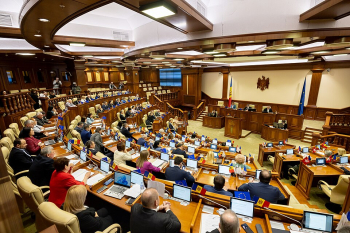
This move marks the seventh "omnibus" proposal by the Commission, part of a broader 2025-2026 push to make the EU a leaner, more efficient hub for the global digital economy. Photo by mikemacmarketing, Wikimedia commons.