













The average working week for employees across the European Union stood at 35.9 hours in 2025, continuing a gradual decline from 36.9 hours recorded in 2015, according to the
latest labour force data for full-time and part-time workers aged 20–64 in their main job.
The figures point to significant differences across member states. Workers in Greece recorded the longest average week at 39.6 hours, followed closely by Bulgaria and Poland (both 38.7 hours), and Lithuania (38.4 hours).
At the other end of the scale, the shortest working weeks were observed in Netherlands (31.9 hours), with Denmark and Germany both averaging 33.9 hours, followed by Austria at 34.0 hours.
The data also highlights clear variation across professions. Skilled agricultural, forestry and fishery workers recorded the longest average working week at 42.0 hours, followed by managers at 40.6 hours and armed forces occupations at 39.4 hours.
In contrast, the shortest weeks were seen among elementary occupations, averaging 31.8 hours, clerical support workers at 34.0 hours, and service and sales workers at 34.5 hours.
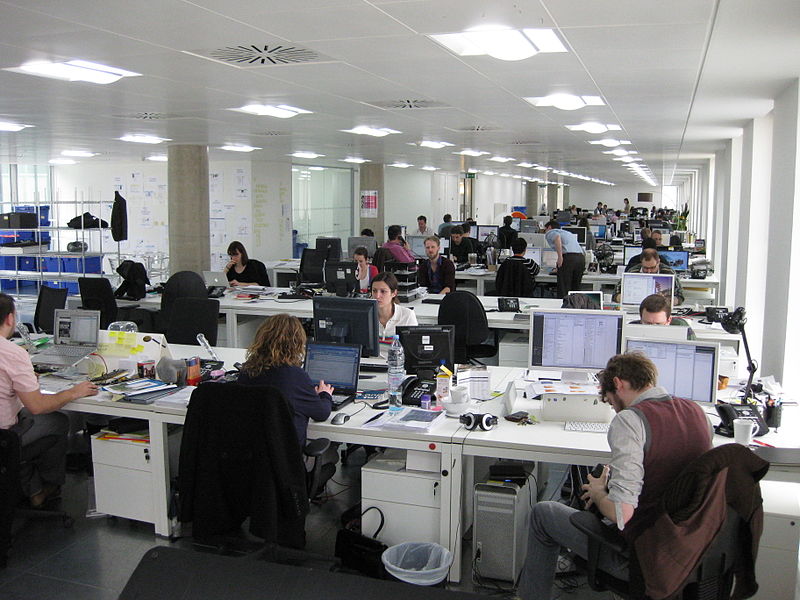
The findings draw on the EU labour force dataset (lfsa_ewhan2) and reflect actual hours worked in respondents’ main job across the bloc. Photo by Phil Whitehouse, Wikimedia commons.