














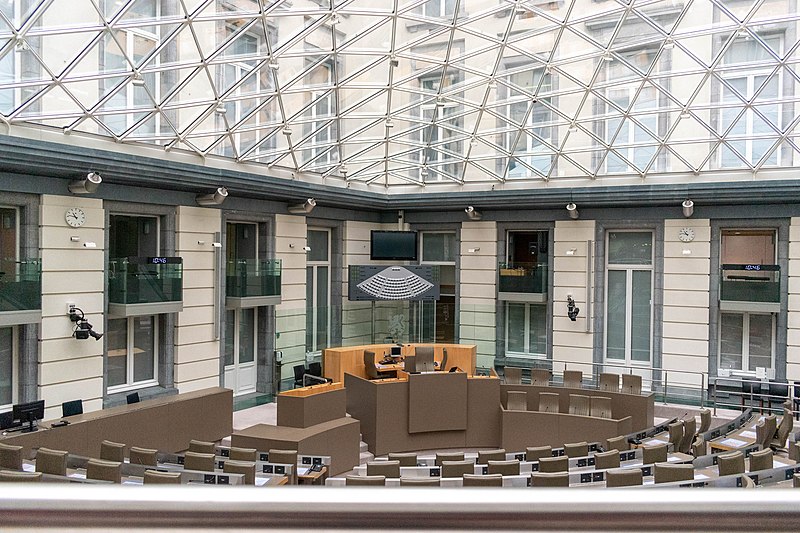
Flanders’ budget deficit for 2026 has risen to 2.18 billion euros, according to the latest budget adjustment due to be debated in the Flemish Parliament this week. The revised
figure marks a significant deterioration compared with earlier projections and highlights mounting fiscal pressure on the regional government.
When the 2026 budget was initially drawn up, officials expected a shortfall of 1.7 billion euros. Budget Minister Ben Weyts had already cautioned last month that the gap was widening, citing inflationary pressures and higher-than-anticipated spending.
The updated accounts now place the deficit 443 million euros higher than planned. This figure excludes major infrastructure and recovery-related spending, including the Oosterweel connection project and the Flemish Resilience recovery programme. When those are taken into account, the shortfall would rise by a further 742 million euros compared with initial estimates.
Debt servicing costs continue to climb in parallel with the growing deficit. Annual interest payments for Flanders now stand at 1.23 billion euros, underscoring the long-term budgetary strain linked to sustained borrowing.
Brussels Airport dividend falls short of expectations
One notable revision concerns expected returns from regional investments, particularly in Brussels Airport, where Flanders recently acquired a significant stake through its investment arm.
The airport recently announced a dividend payout of 41 million euros to shareholders, of which 24.3 million euros goes to the Flemish government. However, this outcome is substantially lower than earlier budget assumptions, which had projected revenues 31.3 million euros higher.
The discrepancy has sparked political criticism. Egbert Lachaert of the liberal party Anders argued that the investment strategy underpinning the airport acquisition was overly optimistic. He said the government had effectively added nearly 3 billion euros in debt “to put a Flemish lion on the airport,” relying on dividend expectations that were “completely unrealistic.”
Weyts rejected that assessment, defending the investment as long-term in nature. “This remains a significant investment, the return on which will naturally not be fully apparent in the first year. But that return will increase,” he said.
Outlook remains challenging
Budget documents submitted to parliament indicate that Flanders is not on track to return to a balanced budget by 2027, despite previously announced consolidation efforts. Lawmakers are expected to debate additional savings measures in the coming weeks as the region grapples with persistent deficits and rising financing costs. Photo by ArneVcrs-FnP, Wikimedia commons.