













Two key committees in the European Parliament have backed a modernised EU–Mexico partnership agreement, clearing an important step toward deeper political
cooperation and expanded trade relations between the two partners.
The Foreign Affairs Committee and the International Trade Committee voted in favour of the upgraded Global Agreement on Tuesday, supporting a framework that aims to replace the existing arrangement with a more comprehensive political and economic partnership.
MEPs approved the agreement by 67 votes to 15, with three abstentions, signalling strong backing for closer ties with Mexico amid a shifting global geopolitical environment.
The modernised deal is expected to significantly reduce tariffs on goods, particularly benefiting EU agri-food exporters. It will eliminate most remaining trade barriers, at a time when Mexican tariffs on some products — including cheese and pork — can reach up to 45%. Lawmakers say the agreement could boost total EU exports of goods and services by up to 75% under the most ambitious projections, while saving European companies as much as €100 million annually in customs duties.
A central feature of the agreement is expanded protection for geographical indications. A total of 568 traditional EU food and drink products will be legally protected in Mexico, making it illegal to market imitations of region-specific goods.
Beyond trade, the agreement strengthens commitments on democratic governance, human rights, and the rule of law. It includes binding provisions covering fundamental rights and reinforces cooperation on issues such as judicial independence, transparency, and support for civil society, journalists, and human rights defenders. It also introduces joint mechanisms to address corruption, money laundering, and organised crime.
The deal also opens wider access for European firms to Mexican public procurement markets, including opportunities across 14 Mexican states. MEPs encouraged further expansion of procurement access and welcomed provisions allowing environmental and social criteria to be considered in awarding contracts.
According to lawmakers, the agreement also enhances supply chain security for materials essential to the EU’s green and digital transitions, while simplifying standards and procedures to support small and medium-sized enterprises.
The committees also adopted an accompanying resolution by 57 votes to 14, with 13 abstentions, outlining the expected economic and strategic benefits of the deal.
The Foreign Affairs Committee (AFET) and International Trade Committee (INTA) now pass the agreement to a full plenary vote expected in July in Strasbourg. If approved, the Council will be able to formally conclude the deal, followed by ratification by all EU member states and Mexico before it can enter into force.
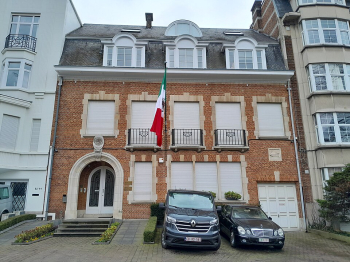
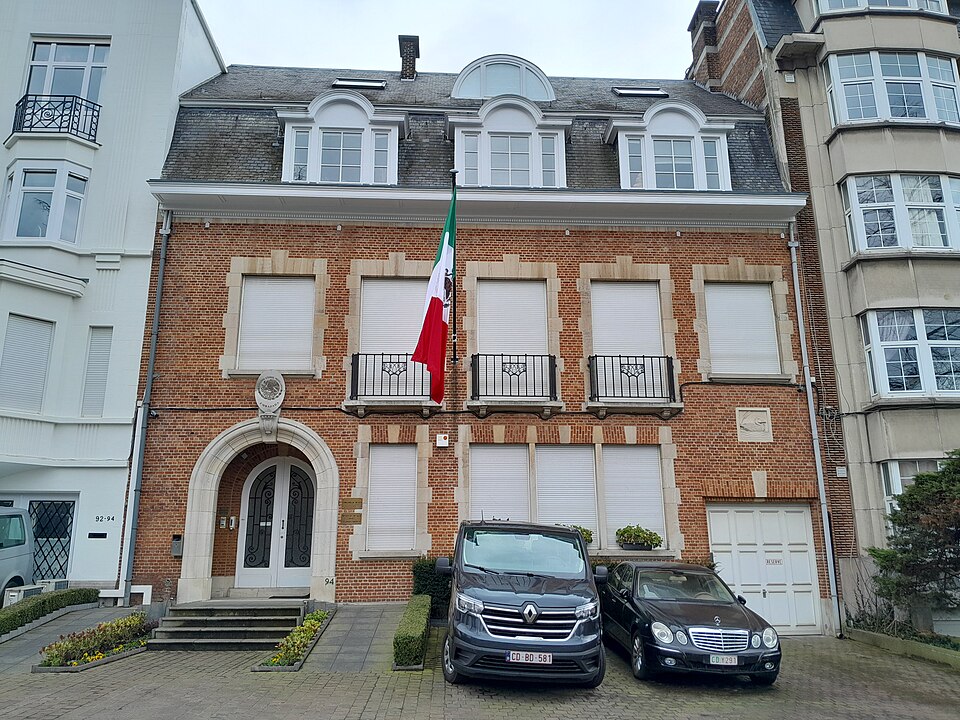
An interim trade agreement, covering the trade elements within EU exclusive competence, is also scheduled for a vote in July. It is intended to allow parts of the deal to take effect earlier, pending full ratification of the broader agreement. Photo by August Dominus, Wikimedia commons.