














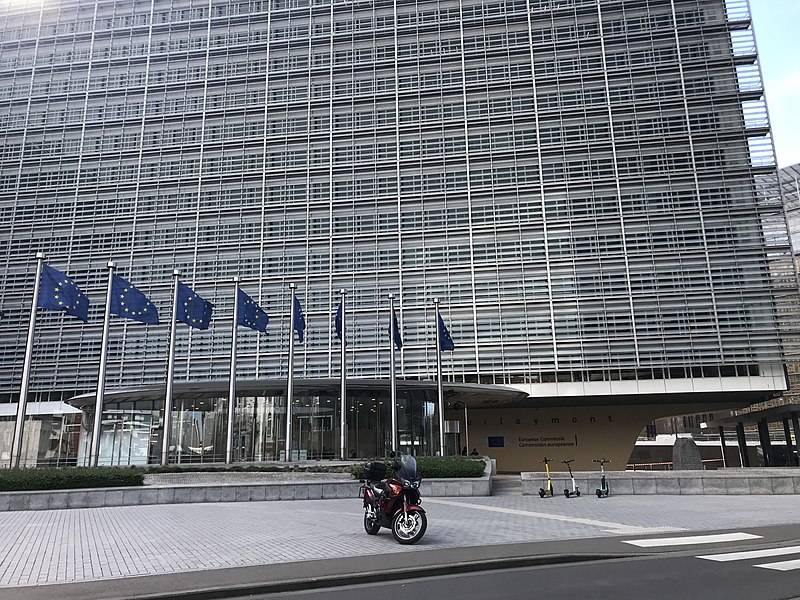
The European Commission has said EU rules aimed at tackling agricultural pollution remain effective after more than three decades, but warned that changes are needed to
make them easier for farmers to follow.
A major review published on Wednesday is the first comprehensive assessment of the EU’s Nitrates Directive, introduced in 1991 to reduce pollution caused by fertilisers and livestock waste.
The evaluation found that the legislation has helped improve water quality across many parts of Europe by encouraging better nutrient management and reducing nitrate pollution. However, the Commission said progress has been uneven, with some regions still facing high levels of nutrient contamination.
Excess nutrients in rivers, lakes, groundwater and coastal waters remain one of Europe’s biggest environmental challenges, damaging biodiversity and threatening drinking water supplies.
The Commission said the directive continues to play a key role by providing common standards for all EU countries and focusing action on areas most at risk of pollution.
“After more than 30 years, the Nitrates Directive remains a crucial tool for protecting Europe’s waters,” the Commission said, while acknowledging that implementation could be made more efficient.
Push to cut red tape for farmers
The review identified opportunities to reduce administrative requirements, particularly for smaller farms, while maintaining environmental protections.
The Commission said it would work with national governments, farmers and experts to find ways to simplify procedures, including improving farming calendars, reducing paperwork and adapting nutrient management rules to local conditions.
Officials said better use of nutrients could also help farmers reduce costs and become less dependent on imported mineral fertilisers, which are affected by global energy prices.
The Commission highlighted the potential of recycled fertilisers and biofertilisers made from agricultural waste. It said it was preparing work to expand the use of certain manure-based liquid digestates under the planned update of EU fertiliser rules, provided environmental safeguards are met.
A first scientific assessment of the issue is expected later this year.
Climate change adds new pressure
The Commission said climate change would increasingly affect how nitrate rules are applied, with extreme weather events changing farming conditions across Europe.
It argued that the flexibility built into the directive would allow countries to introduce more innovative approaches while adapting measures to regional circumstances.
However, the review also highlighted continued problems in areas with intensive livestock farming, where high concentrations of animal production have contributed to persistent nutrient pollution.
The findings reflect concerns raised in the EU’s recent livestock strategy, which called for targeted measures in regions facing the greatest environmental pressure.
Closer links with water protection rules
By the end of 2027, monitoring systems under the Nitrates Directive and the EU Water Framework Directive are expected to align, creating an opportunity to simplify reporting and improve efforts to protect Europe’s water resources.
The Commission said the next phase would focus on helping member states implement the rules more effectively and ensuring action is targeted where pollution risks remain highest.
New country reports covering the period from 2020 to 2023 have also been published, providing recommendations for governments on improving their approach.
Background
The Nitrates Directive was adopted in 1991 to prevent agricultural sources of nitrates from contaminating groundwater and surface waters.
Under the rules, EU countries must monitor water quality, identify vulnerable areas, and introduce measures to reduce pollution. These include limits on fertiliser use, rules for storing manure and restrictions on spreading fertilisers during periods when crops cannot absorb nutrients effectively.
The Commission’s evaluation examined the directive’s effectiveness, efficiency, relevance, consistency with other EU policies and overall added value after more than 30 years in operation. It was based on national reports, scientific studies, public consultations and environmental data.