










France will officially open a consulate in Greenland on February 6, reinforcing its diplomatic presence in the Arctic at a time of growing geopolitical tension over the strategically
important territory.
French Foreign Minister Jean-Noël Barrot said on Wednesday that the decision had been planned since last year, dismissing suggestions that it was a sudden reaction, while acknowledging the heightened context created by recent U.S. rhetoric regarding Greenland.
Speaking on RTL radio, Barrot strongly criticized comments by U.S. President Donald Trump suggesting Washington could seek control of Greenland, an autonomous territory within the Kingdom of Denmark. He urged the United States to halt what he described as “blackmail” and warned against undermining the sovereignty of a NATO ally.
“Attacking or threatening another NATO member makes no sense,” Barrot said. “It would even be contrary to the interests of the United States. This kind of pressure must obviously stop.”
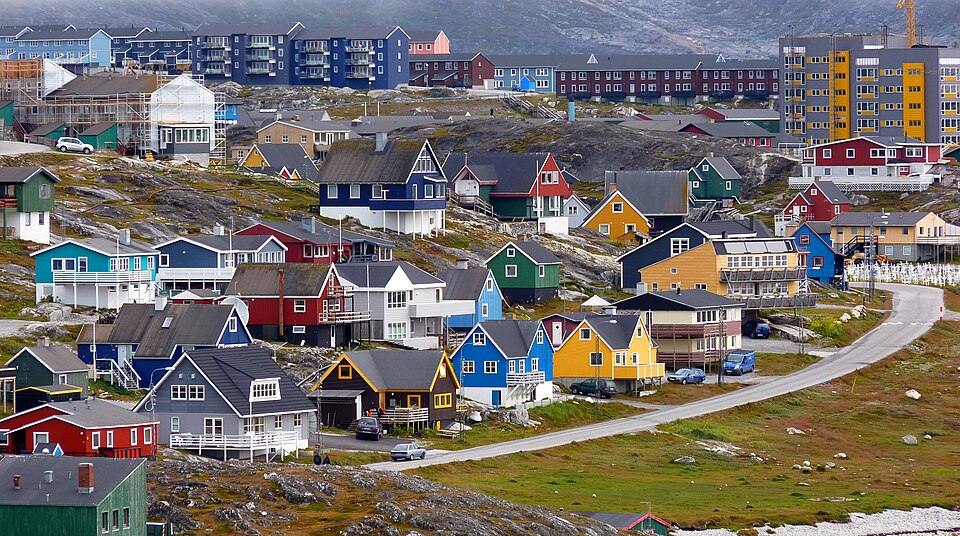
The opening of the consulate, expected to be located in Greenland’s capital Nuuk, is intended to deepen France’s engagement with the Arctic region, including cooperation on scientific research, environmental issues, and regional security. French officials have framed the move as both practical and symbolic, signaling support for Denmark and Greenland amid international attention on the island.
Greenland has become increasingly significant on the global stage due to its strategic location between North America and Europe, its role in Arctic security, and its vast natural resources, which are becoming more accessible as climate change accelerates ice melt.
European leaders, including French President Emmanuel Macron, have reiterated that the sovereignty of Greenland is not up for negotiation and that any challenge to a NATO ally would carry serious political consequences.
The new consulate underscores France’s intention to play a more active role in Arctic affairs, as competition among global powers in the region continues to intensify. Photo by patano, Wikimedia commons.