












Foreign-born people across the European Union continue to report significantly higher levels of discrimination than those born in their country of residence, according to 2024
data on self-perceived discrimination.
The gap is most visible in the housing market. More than one in eight people born abroad (12.5%) said they felt discriminated against while looking for housing, nearly three times the share among native-born residents (4.3%). Housing remains the social context where inequality is felt most sharply.
Disparities also emerge in interactions with public services and administrative offices. Almost 10% of foreign-born residents (9.7%) reported feeling discriminated against in these settings, compared with 4.5% of native-born people. These encounters often represent essential moments—applying for documents, benefits, or permits—where equal treatment is crucial.
Public spaces such as cafés, shops, and sports facilities also reveal a notable divide. In 2024, 7.8% of foreign-born individuals said they experienced discrimination in these everyday environments, versus 2.8% among native-born residents. While the setting may seem informal, repeated experiences in public spaces can have a lasting impact on social inclusion and belonging.
The smallest difference between the two groups was observed in education. Even so, foreign-born people still reported higher discrimination, with 4.3% saying they felt treated unfairly compared with 2.3% of those born in the country.
Public spaces show the widest gaps in several countries
A closer look at discrimination in public spaces highlights stark national differences. The countries with the highest reported discrimination among foreign-born residents are also those where the gap with native-born populations is widest.
The Netherlands recorded the largest difference: 16.2% of foreign-born people reported discrimination in public spaces, compared with 5.0% of native-born residents—a gap of more than 11 percentage points. Austria, Denmark, Finland, and Portugal followed closely, all showing foreign-born residents being two to three times more likely to feel discriminated against.
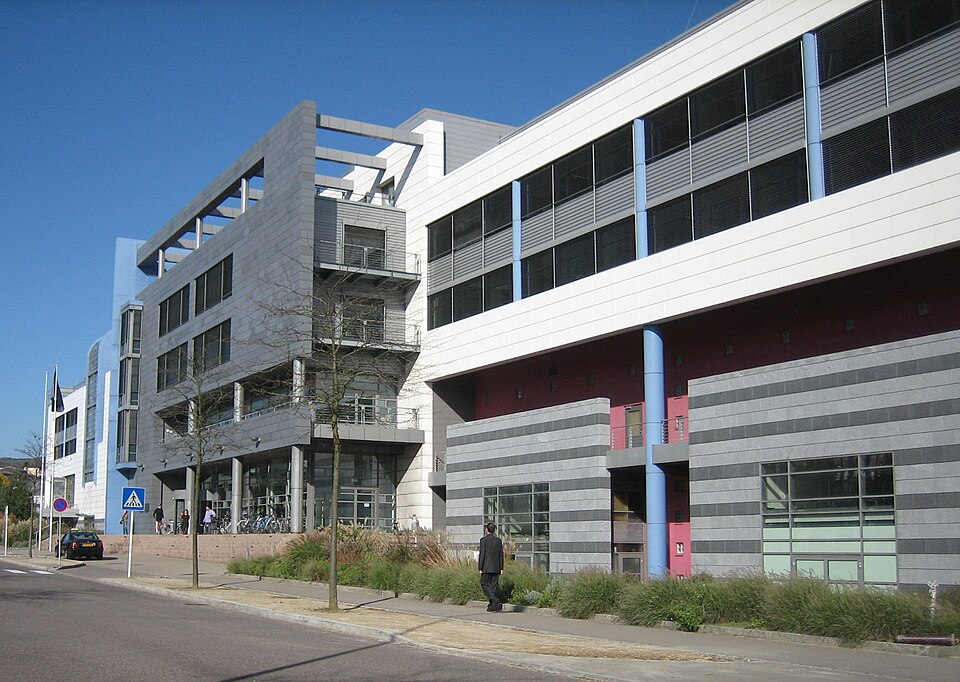
By contrast, some countries showed almost no difference between the two groups. In Croatia, reported discrimination in public spaces was nearly identical (0.8% among foreign-born versus 0.7% among native-born). Photo (Eurostat office, Luxembourg) by Carlos Goulão, Wikimedia commons.