












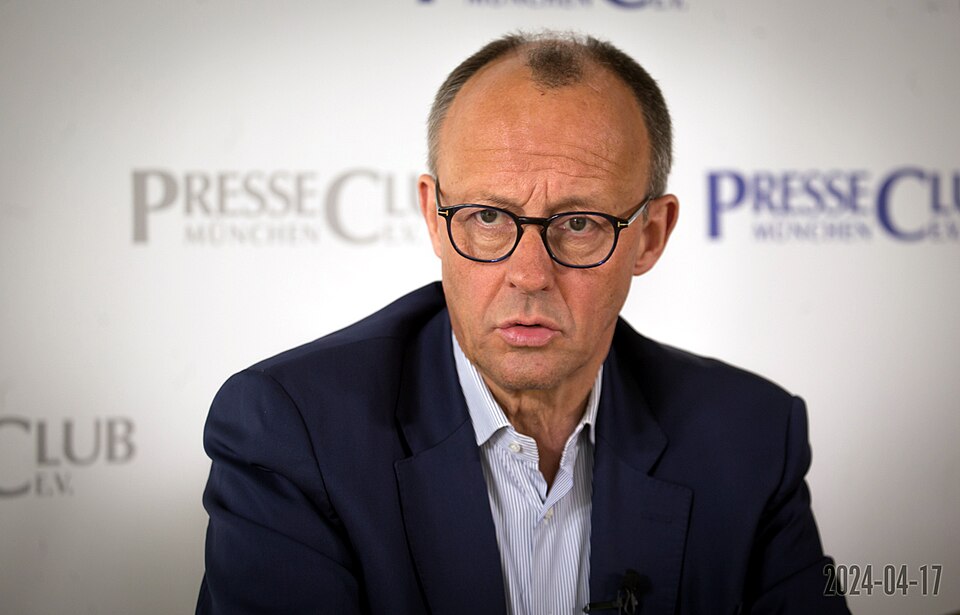
Germany will pursue deeper strategic partnerships with China as global trade tensions rise, Chancellor Friedrich Merz said Wednesday, signaling a
more assertive European stance amid growing friction with the United States over tariffs.
Speaking at his party’s Ash Wednesday gathering in Trier, Merz confirmed he plans to raise future cooperation with China during an upcoming visit, stressing that Germany and Europe must diversify their global partnerships to safeguard long-term prosperity.
“We have a strategic interest in working with partners who think and act like we do, and who are ready to shape the future together,” Merz said. “That’s how we protect prosperity and our social security model.”
His remarks come as the United States ramps up tariff measures under President Donald Trump, putting strain on transatlantic relations and threatening trade flows vital to Germany’s export-driven economy.
Merz was clear that Berlin does not share Washington’s approach. “If Americans believe tariffs are the right way to exert influence globally, that is their decision,” he said. “But it is not our policy.”
Germany’s economy has already been under pressure, and further trade disruptions could deepen the slowdown. While Merz emphasized dialogue, he also warned that Europe would not hesitate to respond if trade tensions escalate.
“You can do it, but we will not go along with it,” he said, referring to tariff hikes. “And if you overdo it, Europeans are capable of defending themselves.”
Pointing to recent unity among EU member states during a diplomatic dispute involving Greenland, Merz said Europe has demonstrated its ability to act collectively when its interests are challenged.
“That is our double strategy,” he said. “An outstretched hand and a willingness to renew partnerships — but also enough unity within the European Union to defend ourselves against policies we do not accept.”
As Washington weighs further tariff increases, Berlin appears set on balancing cooperation with firmness — strengthening ties with China while reinforcing Europe’s internal cohesion in an increasingly fragmented global trade landscape. Photo by Michael Lucan, Wikimedia commons.