













The European Commission has approved a €5 billion (DKK 37.6 billion) state aid scheme from Denmark aimed at expanding offshore wind energy, marking a significant step
toward Europe’s clean energy ambitions.
The long-term initiative, set to run over 20 years, aligns with the EU’s broader climate strategy under the Clean Industrial Deal and supports the bloc’s goal of achieving net-zero emissions while meeting its 2030 renewable energy targets.
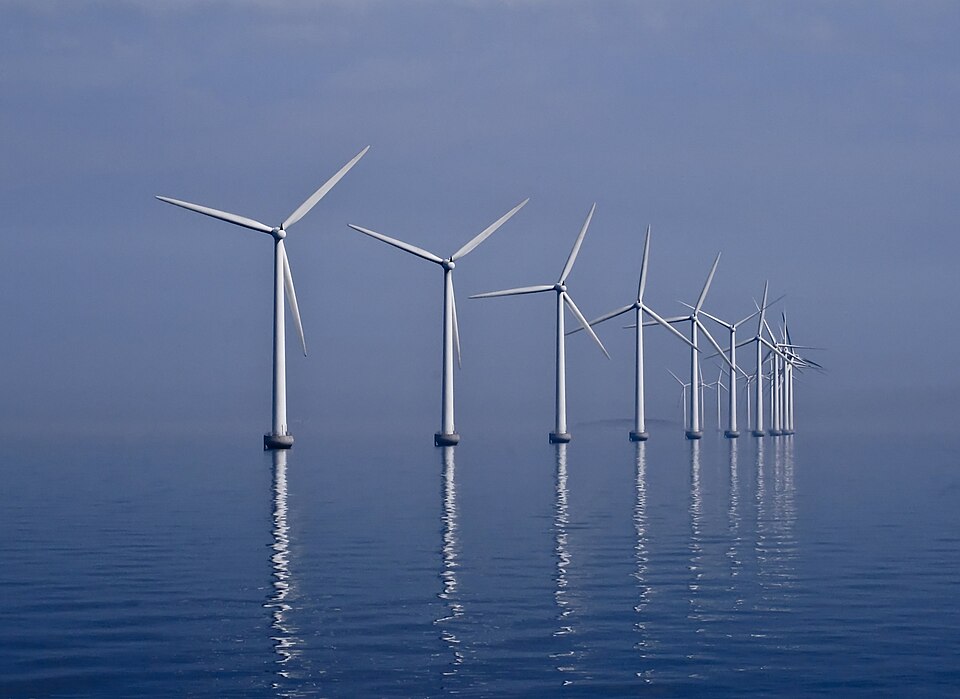
At the heart of the plan are two major offshore wind projects—Hesselø and North Sea I Mid. The Hesselø wind farm is expected to deliver at least 0.8 gigawatts (GW) of capacity and generate around 3.2 terawatt-hours (TWh) annually. Meanwhile, North Sea I Mid will contribute a minimum of 1 GW capacity and approximately 4.6 TWh of yearly output. Together, these projects could produce electricity equivalent to roughly a quarter of Denmark’s total power generation last year.
The funding mechanism will operate through a two-way “contract for difference” (CfD), a pricing model designed to stabilize revenues for renewable energy producers. Under this system, operators will receive payments when market electricity prices fall below their agreed bid price. Conversely, they must return funds to Danish authorities when market prices exceed that level. This structure ensures market balance while avoiding overcompensation during periods of high electricity prices.
Regulators found that the Danish scheme complies with the rules outlined in the Clean Industrial Deal State Aid Framework (CISAF), particularly in promoting fair competition and efficient market functioning. Notably, compensation is tied to potential electricity generation rather than actual output, a design intended to discourage production during periods of negative market value.
The Commission concluded that the initiative is both necessary and proportionate, reinforcing its role in accelerating Europe’s transition to a low-carbon economy. The approval was granted under EU state aid rules, specifically Article 107(3)(c) of the Treaty on the Functioning of the European Union.
The CISAF framework, adopted in June 2025, enables EU member states to support a range of clean energy and industrial decarbonisation measures. These include investments in renewable energy, temporary electricity cost relief for energy-intensive industries, support for low-carbon technologies, and incentives to scale up clean manufacturing capacity.
With this approval, Denmark is set to play a leading role in advancing offshore wind energy—one of the EU’s most critical pillars in achieving energy independence and climate neutrality. Photo by Photo by Kim Hansen, Wikimedia commons.