












The European Commission has called on Hungary to provide urgent clarification following serious allegations that sensitive EU discussions may have been shared with Russia.
Speaking on Monday, Commission foreign affairs spokesperson Anitta Hipper described the reports as “greatly concerning,” emphasizing that mutual trust among EU member states is essential for the bloc’s effective functioning. She confirmed that Brussels is awaiting an official response from Budapest.
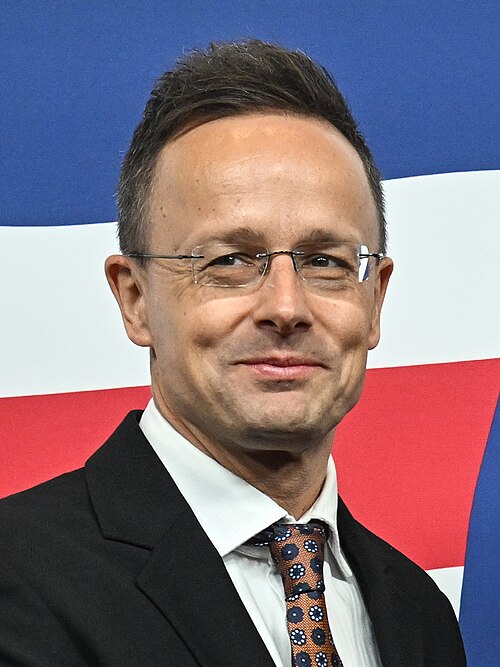
The controversy follows a report by The Washington Post, which claimed Hungary maintained unusually close ties with the Kremlin throughout the war in Ukraine. According to the report, Hungarian Foreign Minister Péter Szijjártó allegedly used breaks during EU meetings to relay information to Russian officials.
Hungarian authorities have strongly rejected the accusations. Europe Minister János Bóka dismissed the claims as “fake news,” suggesting they are politically motivated ahead of the country’s upcoming election. He linked the reports to growing support for Prime Minister Viktor Orbán and his Fidesz party, insisting voters would not be misled. Hungary is set to hold a pivotal election on April 12.
So far, Commission President Ursula von der Leyen has not publicly addressed the allegations. According to Deputy Chief Spokesperson Arianna Podestà, von der Leyen is currently in Australia and may not yet have reviewed the reports, as she focuses on advancing a long-anticipated trade agreement.
Elsewhere in the EU, reactions have been more pointed. Polish Prime Minister Donald Tusk said the allegations were unsurprising, noting longstanding suspicions about Hungary’s conduct. Writing on X, he indicated that such concerns had influenced his cautious approach in EU discussions.
Former Lithuanian Foreign Minister Gabrielius Landsbergis also revealed that warnings about potential Hungarian information leaks had circulated as early as 2024. He recalled being alerted during his time attending EU Council meetings alongside Szijjártó.
According to multiple European officials, fears over possible leaks have already reshaped internal diplomacy within the bloc. Alternative discussion formats excluding Hungary have reportedly become more common, reflecting growing unease among member states.
While the Hungarian government continues to deny the accusations, the episode risks further straining relations within the European Union at a time when unity remains critical amid ongoing geopolitical tensions. Photo by Polish presidency of the Council of the EU 2025, Wikimedia commons.