











As Switzerland weighs the controversial “No to a 10-million Switzerland” initiative backed by the Swiss People’s Party, the country’s demographic story offers important context—
one that stretches far beyond its borders.
Over the past 50 years, Switzerland has undergone a remarkable population shift. In 1975, just over 6 million people lived in the alpine nation. Today, that figure has surpassed 9 million. According to Eurostat, this marks one of the fastest growth rates in western Europe—trailing only Luxembourg and Ireland. But unlike many of its neighbors, Switzerland’s expansion has not been fueled by a baby boom. Instead, immigration has been the defining force.
Strong wages, a resilient economy, and political stability have made the country a prime destination for foreign workers, particularly from across the European Union. Today, roughly three-quarters of Switzerland’s foreign residents come from EU countries.
Yet the flow of people is not one-directional. Switzerland also sees significant outward migration. Many foreign workers—especially those from southern Europe—choose to leave after retirement. The country’s high cost of living is a major factor, with studies suggesting that between 40% and 60% of some migrant groups eventually return home. In a broader European comparison, Switzerland’s growth is impressive but not unique.
Since 1975, Luxembourg’s population has surged by around 86%, followed by Ireland at 66%. Switzerland ranks third with roughly 43% growth, ahead of countries like Spain and the Netherlands, while larger economies such as Germany and Italy have seen far more modest increases. What emerges is a distinctly Swiss demographic model. The country draws in skilled, working-age migrants who contribute during their most productive years.
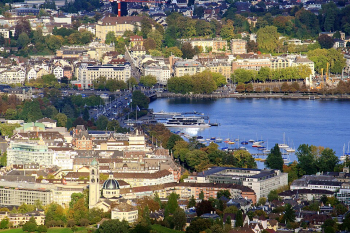
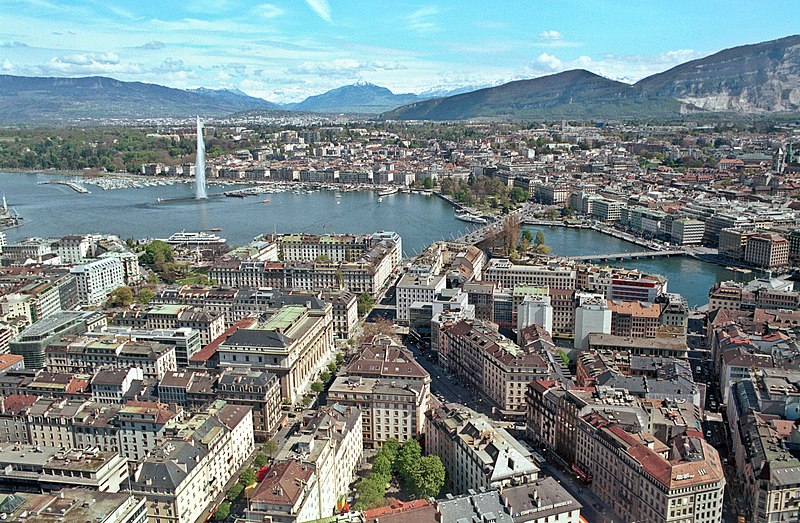
Many then depart before reaching old age, easing long-term pressure on public finances tied to an ageing population. However, this system is not without strain. Immigration has accelerated notably since Switzerland introduced free movement agreements with the European Union in 2002. While beneficial for the labor market, the influx has intensified demand for housing and infrastructure, sparking political debate and public concern. As the country confronts the prospect of crossing the 10-million mark, Switzerland’s population story highlights both the opportunities and tensions that come with sustained growth in a small, prosperous nation. Photo by fr:Utilisateur:Stéphane_Pecorini, Wikimedia commons.