










European Union leaders have agreed to fast-track efforts to finally complete the bloc’s single market, pledging decisive action over the next two years to remove stubborn barriers
to cross-border trade.
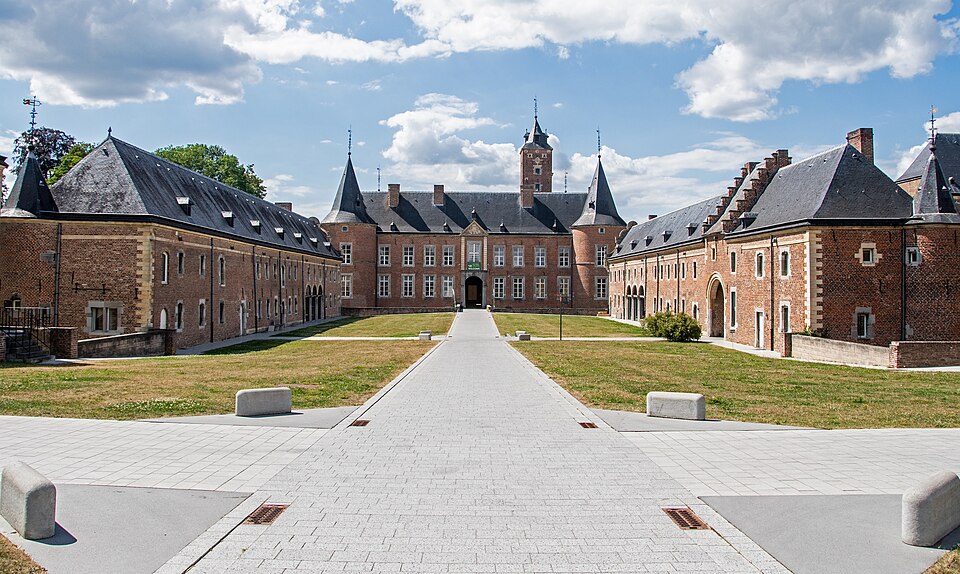
Speaking after a competitiveness summit at the Alden Biesen estate, EU Council President Antonio Costa said heads of state and government were aligned on the urgency of the task. “One Europe, one market. This is urgent and must be done in 2026 and 2027,” he said.
At a press conference following the meeting in Belgium, Costa underlined that leaders want rapid progress in dismantling remaining national obstacles that still fragment trade within the bloc. According to earlier estimates from the International Monetary Fund, these barriers are effectively equivalent to an average tariff of 44 per cent on goods — a heavy drag on growth inside the world’s largest trading bloc.
Belgian Prime Minister Bart De Wever said the discussions marked a shift in mindset. “Mentally, the leap from ‘single market’ to ‘one market’ has been made,” he said. “If we can roll that out, history will effectively have been made here. If it fails, the opposite will be true.”
Beyond goods and services, leaders also want to inject fresh momentum into the long-stalled integration of Europe’s capital markets. French President Emmanuel Macron warned that patience is running thin, saying a smaller group of countries could move ahead through enhanced cooperation if no agreement among all member states is reached by June.
European Commission President Ursula von der Leyen echoed that message, noting that enhanced cooperation among at least nine countries could also speed up work on the planned “28th regime”. The initiative aims to create a single set of rules allowing companies to operate seamlessly across EU borders, regardless of national legal systems.
Energy costs and strategic autonomy were also high on the agenda. Costa said there was broad consensus on the need to tackle high energy prices and to better protect key sectors such as defence, clean technologies, space, artificial intelligence and payment systems — all areas where Europe wants to reduce its dependence on other regions.
The political conclusions reached at Alden Biesen will now be turned into concrete proposals ahead of the next EU summit in Brussels on 19 March. According to von der Leyen, leaders are aiming to adopt a detailed “One Europe, One Market” roadmap, complete with timelines, to ensure the long-promised single market finally becomes a reality. Photo by Herman.vandenbroeck, Wikimedia commons.