













The European Parliament has adopted three strong resolutions condemning serious human rights violations in Iran, Türkiye and Uganda, calling on the
authorities in all three countries to end repression, protect fundamental freedoms and ensure accountability for abuses.
The votes, held on Thursday, highlight growing concern among MEPs over state violence, political intimidation and restrictions on media freedom and civil society.
Iran: MEPs warn of possible crimes against humanity
MEPs sharply condemned the Iranian regime’s continued violence against its own population, particularly women, protesters, minorities and civil society activists. They denounced the systematic repression of dissent and demanded the immediate release of all arbitrarily detained women, including Nobel Peace Prize laureate Narges Mohammadi.
Parliament expressed deep alarm over reports suggesting that up to 35,000 people may have been killed during recent protests. According to MEPs, the scale and nature of the abuses may meet the legal threshold for crimes against humanity.
The resolution calls for the independent documentation of atrocities by UN bodies, the preservation of evidence for future prosecutions, and accountability through international judicial mechanisms. MEPs also urged Iranian authorities to end arbitrary detentions, enforced disappearances and torture, and to stop harassing doctors and healthcare workers who treat injured protesters.
Reaffirming solidarity with the Iranian people, Parliament stressed that sovereignty belongs to the citizens, not the regime. MEPs called on the EU to expand targeted sanctions, counter Iran’s use of hostage diplomacy, and support the families of detainees. They also highlighted the central role of the Islamic Revolutionary Guard Corps (IRGC) in the repression.
The resolution was adopted by 524 votes in favour, with 3 against and 41 abstentions.
Türkiye: Parliament condemns harassment of foreign journalists and Christians
MEPs strongly criticised Türkiye’s expulsion and harassment of foreign journalists and foreign Christians, carried out under what they described as unsubstantiated national security claims and without due process.
Parliament called on Turkish authorities to immediately stop judicial and administrative harassment of journalists, including halting deportation and legal proceedings against Iranian journalist Kaveh Taheri, Swedish journalist Joakim Medin, and others targeted for their professional work.
MEPs also urged Türkiye to stop using administrative security codes N-82 and G-87, which have reportedly labelled at least 300 foreign Christians as national security threats. They demanded transparent, individualised decisions subject to independent judicial review and the right of arbitrarily expelled individuals to return.
Echoing the European Commission’s Türkiye 2025 report, Parliament noted that media freedom and pluralism remain severely restricted. MEPs called on the Commission to raise these concerns consistently in political dialogue and to consider targeted measures if violations continue.
The resolution passed with 502 votes in favour, 2 against, and 59 abstentions.
Uganda: MEPs condemn post-election repression and call for reforms
Parliament strongly condemned the conduct of Uganda’s 15 January 2026 elections, citing widespread intimidation, fraud, violence and a nationwide internet shutdown.
MEPs expressed grave concern over the detention and intimidation of opposition figures, including National Unity Platform leader and presidential candidate Robert Kyagulanyi (Bobi Wine) and veteran opposition leader Dr Kizza Besigye. They called for their immediate and unconditional release, along with all those arbitrarily detained, and condemned the killing of NUP supporter Mesach Okello.
The resolution urged Ugandan authorities to end military trials of civilians, strengthen constitutional safeguards, disclose the whereabouts of missing persons, and stop restricting internet access.
MEPs also called for comprehensive electoral and institutional reforms and asked the EU and its member states to review cooperation with Uganda to ensure alignment with EU principles. They stressed the need to prioritise support for civil society organisations, journalists, human rights and LGBTIQ+ defenders.
Finally, Parliament called for independent and impartial investigations into alleged crimes against humanity committed by political and military leaders.
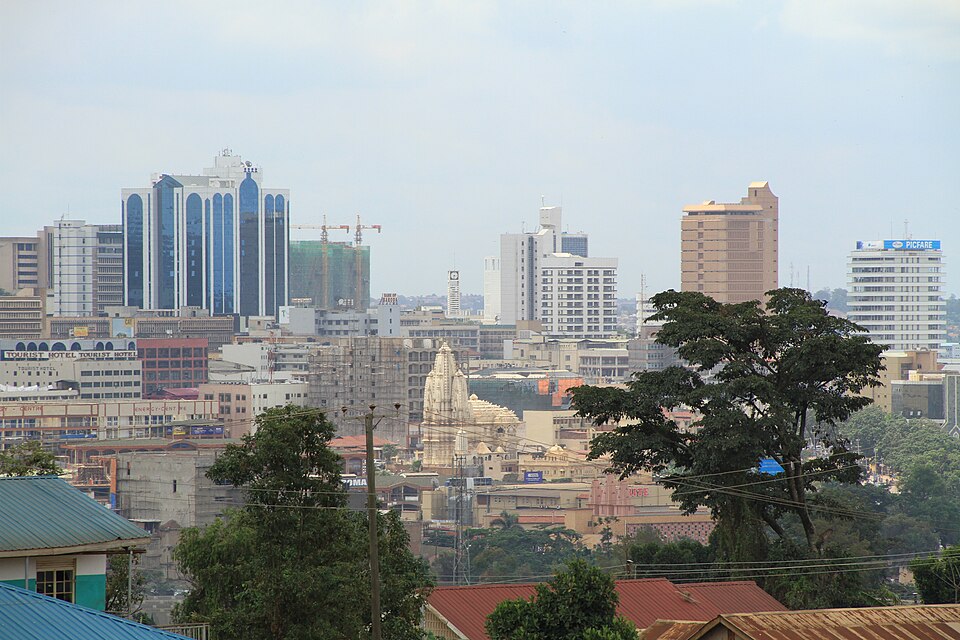
The resolution was adopted by 514 votes in favour, with 3 against and 56 abstentions. Photo by Andrew Regan, Wikimedia commons.