












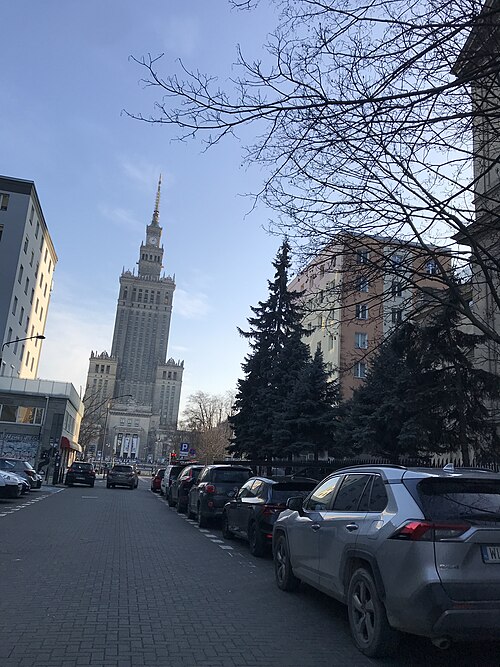
Poland has taken another step toward unlocking major EU funding, after the European Commission approved its fourth payment request worth €7.2 billion under the bloc’s
post-pandemic recovery instrument, NextGenerationEU.
The funds come through the Recovery and Resilience Facility (RRF), the central pillar of the EU’s €800 billion recovery package designed to help member states rebuild economies while accelerating green and digital transitions.
Key reforms and investments approved
According to the Commission, Poland has successfully met 43 conditions — including 30 milestones and 13 targets — required to access this tranche of funding. These measures are expected to deliver tangible improvements across multiple sectors.
Healthcare is a major focus, with reforms aimed at restructuring hospitals, expanding outpatient care, and launching a National Cardiological Network to standardise treatment and improve patient outcomes.
At the same time, Poland is pushing ahead with digital transformation. Investments will modernise public administration, enhance cybersecurity, and expand high-speed broadband access, particularly in underserved rural areas where private investment has been limited.
Labour market oversight is also set to improve, with strengthened powers for the State Labour Inspection to better enforce compliance with employment laws.
Green transition at the forefront
A significant portion of the funding targets climate-related projects. Among the flagship initiatives:
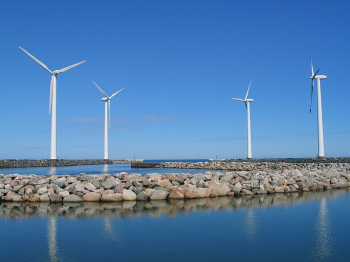
- Over €500 million will support the development of renewable and low-carbon hydrogen, aiming to stimulate private sector involvement in emerging energy technologies.
- Public transport will see a major upgrade, with more than 1,000 zero-emission buses and trolleybuses introduced nationwide.
- Rail infrastructure modernisation will further support sustainable mobility and reduce emissions.
These measures align with the EU’s broader climate goals under NextGenerationEU, which requires member states to dedicate a substantial share of spending to green initiatives.
What happens next?
The Commission’s positive assessment is not the final step. The request now moves to the EU’s Economic and Financial Committee, which has four weeks to issue its opinion. If endorsed, the Commission will formally approve the payment, clearing the way for the funds to be disbursed.
Bigger picture: NextGenerationEU and Poland’s progress
NextGenerationEU was launched in response to the COVID-19 crisis, aiming not just to repair economic damage but to reshape European economies for the future. Funding is tied to reforms and measurable outcomes, ensuring that money is released only when agreed targets are met.
Poland’s national recovery plan is valued at €54.7 billion, combining grants and loans. With this latest payment, total funds disbursed would reach €34.15 billion — more than 60% of the country’s allocation — and mark the completion of over 61% of its planned reforms and investments.
With the RRF set to conclude in 2026, member states face a tight timeline. All milestones must be completed by August 2026, with final payment requests submitted by September.