













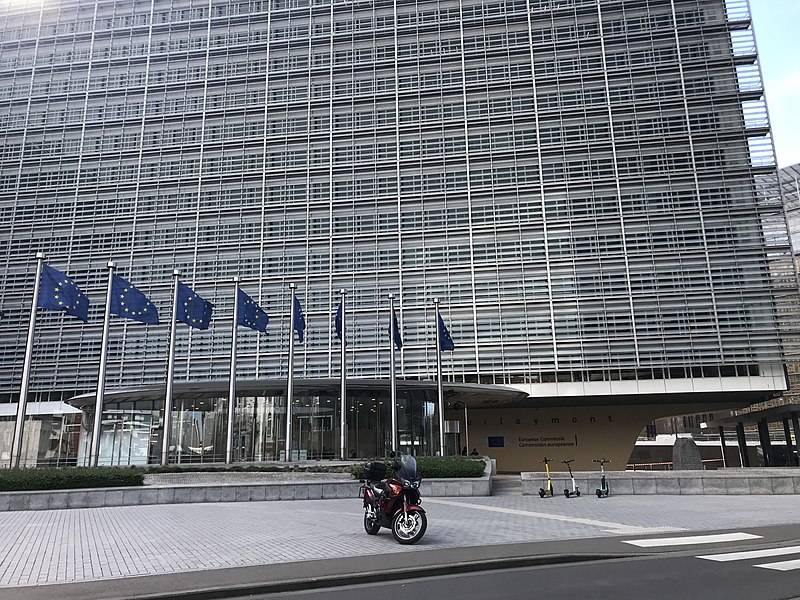
The European Commission has adopted a sweeping Fertiliser Action Plan aimed at easing pressure on farmers hit by soaring input costs while strengthening Europe’s long-term
food security and industrial resilience.
The initiative comes as agricultural producers across Europe face sustained fertiliser price volatility and supply disruptions, exposing deep vulnerabilities in global supply chains. The plan is designed to deliver immediate financial relief while accelerating the shift toward a more self-sufficient, low-carbon fertiliser sector within the European Union.
Emergency relief for farmers
At the heart of the package is a short-term support mechanism intended to stabilise farm incomes ahead of the next growing cycle. The Commission plans to mobilise additional EU budget resources to reinforce the agricultural reserve, providing liquidity support to farmers struggling with elevated fertiliser costs.
Further measures will allow Member States greater flexibility under their Common Agricultural Policy strategic plans, including enhanced advance payments and targeted liquidity schemes. These tools are intended to improve cash flow on farms and prevent production cutbacks caused by input shortages.
The plan also promotes more efficient nutrient use through advisory services and incentivises farming practices that reduce fertiliser dependency. Additional measures will support the use of digestates, alongside planned clarifications to nitrates rules following an upcoming policy review.
Building a resilient European fertiliser industry
Beyond immediate relief, the strategy sets out a longer-term push to reduce reliance on imported fertilisers and strengthen domestic production capacity. The Commission will support investments in European alternatives such as organic and bio-based fertilisers, algae-derived inputs, microbial solutions, and recovered nutrients from waste streams.
Industrial decarbonisation is also a central pillar. The plan signals that future adjustments to the Emissions Trading System will be designed to ensure fertiliser producers are encouraged to cut emissions while maintaining competitiveness and securing supply for European farmers.
In parallel, funding instruments including cohesion policy resources are expected to support biogas, biomethane, and wastewater infrastructure projects that enable greater nutrient recovery and circular production models.
Market transparency and preparedness
To improve resilience against future shocks, the Commission will launch a new fertiliser value chain partnership bringing together producers, farmers, and national governments. The initiative aims to improve coordination and develop joint solutions for supply stability and affordability.
Market monitoring will also be strengthened through enhanced data collection, early-warning systems, and improved transparency on prices and stock levels. Authorities will assess how carbon pricing mechanisms affect fertiliser and food prices, while also exploring options such as strategic stockpiling and joint procurement.
International cooperation will remain part of the strategy, with the EU seeking to diversify supply sources and expand partnerships with producer countries.
Strategic response to global pressure
The Commission’s move follows several years of instability in global fertiliser markets, driven by geopolitical tensions and energy price shocks. Rising costs have forced many farmers to reconsider application rates, with knock-on risks for yields and food supply stability.
Commission President Ursula von der Leyen said the initiative reflects a broader shift toward combining climate policy with economic resilience, arguing that Europe’s competitiveness depends on sustainable domestic production and innovation.
With planting seasons approaching, EU policymakers say the goal is to ensure farmers have reliable access to affordable inputs while laying the groundwork for a more independent and circular fertiliser economy.