







The European Union continues to make steady progress in improving water quality and sanitation, with more than four in five residents now connected to at least secondary
wastewater treatment systems.
According to the latest data released from the European Statistical System, 80.7% of the EU population had access to at least secondary wastewater treatment in 2023. This marks a notable increase from 77.3% in 2013, reflecting a decade of gradual improvement, while remaining broadly stable compared to 2022 levels (80.8%). The figures are based on data collected from 17 EU countries.
This indicator plays a crucial role in tracking the EU’s progress toward the United Nations’ Sustainable Development Goal 6 (SDG 6), which focuses on ensuring clean water and sanitation for all. Beyond access, the goal also emphasizes improving water quality and promoting efficient water use.
Water quality indicators show modest improvement as well. In 2023, nitrate concentrations in EU groundwater averaged 18.14 mg per litre, slightly down from 18.80 mg per litre in 2013. While this signals progress, levels remain well below the 50 mg per litre threshold established by the Nitrates Directive as the limit for safe drinking water.
Experts point to the long-standing Urban Wastewater Treatment Directive as a key driver behind these improvements. Introduced in the 1990s, the directive has significantly reduced water pollution by encouraging the expansion of more effective treatment systems. Secondary treatment, in particular, removes around 70% of organic pollutants, compared to just 20–30% with primary treatment alone.
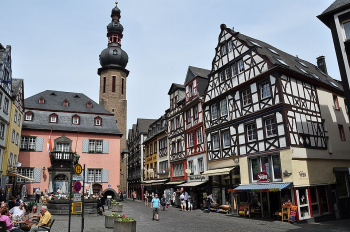
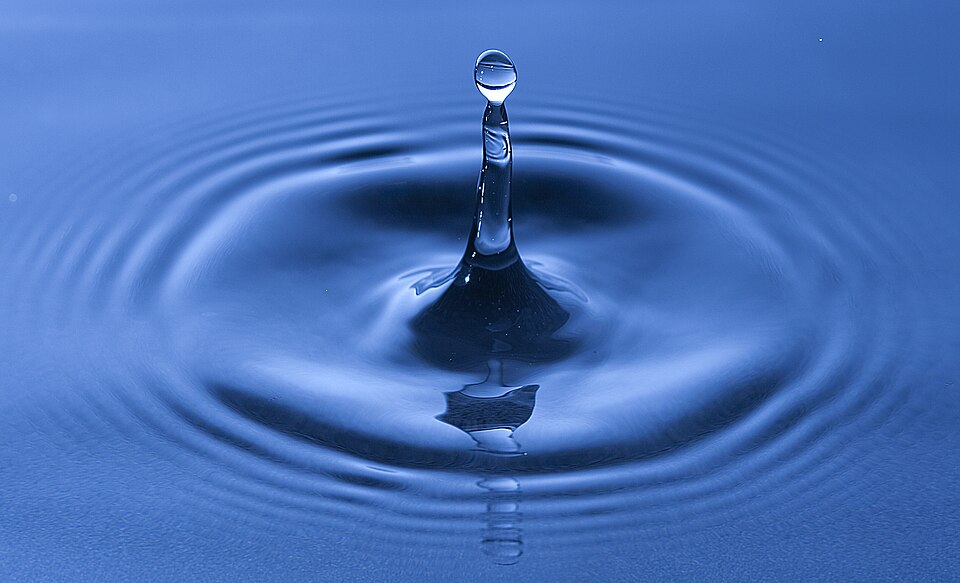
The data release coincides with World Water Day, observed annually on March 22, highlighting global efforts to safeguard water resources. Looking ahead, the EU expects further gains as updated regulations come into force, aiming not only to enhance water quality but also to expand equitable access to sanitation services across the region. Photo by Davide Restivo from Aarau, Switzerland, Wikimedia commons.