










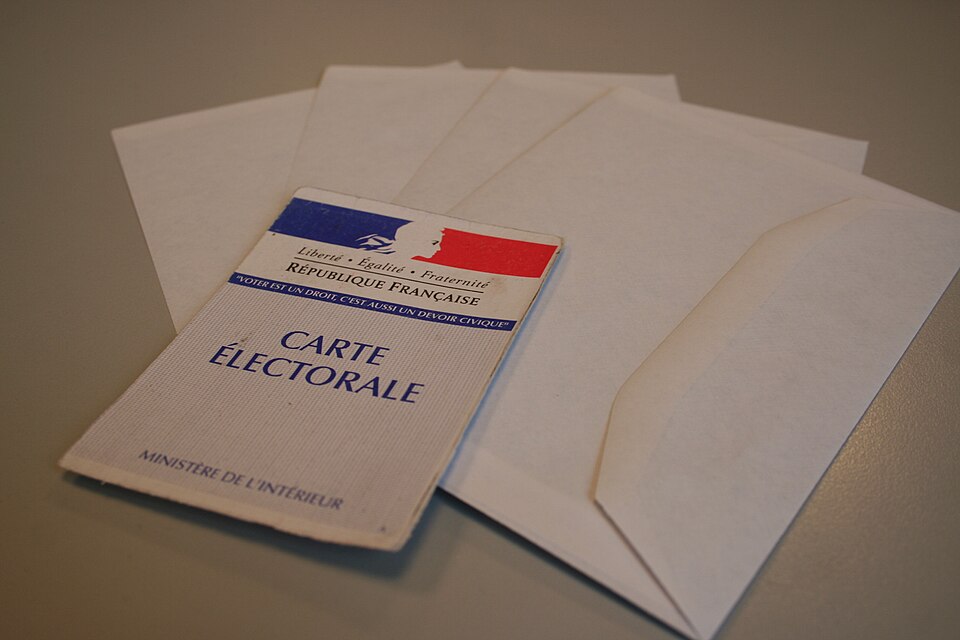
As France heads into the second round of its municipal elections this Sunday, the vote is shaping up to be more than just a local contest. It’s the final major electoral test before
the country turns its full attention to the 2027 presidential race—and a key indicator of shifting political forces across the nation.
Why local elections carry national weight
France’s mayors—overseeing nearly 35,000 communes ranging from major urban hubs to tiny rural villages—remain among the most trusted public officials in the country. While these elections are local in nature, their outcomes often ripple into national politics.
This round includes runoffs in just over 1,500 municipalities, many of them strategically important cities. In smaller towns, many races were already decided in the first round.
Beyond local governance, the stakes are higher: municipal councillors play a direct role in electing members of the Senate, giving these elections influence over France’s legislative balance of power.
A fragmented political landscape
The campaign has underscored the growing fragmentation of French politics. Between the first and second rounds, parties—especially on the left—have engaged in inconsistent alliance-building. In some cities they’ve united to block rivals, while in others they’ve refused cooperation, leaving voters navigating a complex and often confusing political map.
These tactical shifts highlight deeper divisions that could carry into the presidential race.
The National Rally’s local ambitions
For the far-right National Rally (RN), these elections are a strategic stepping stone. Despite strong performances in national elections, the party has historically struggled to establish a solid foothold at the municipal level.
After winning only around a dozen cities in 2020, the RN is looking to expand its local base. Early results saw it retain control in Perpignan and perform well in smaller towns. However, its limited traction in major cities—especially outside its southern strongholds—reveals ongoing challenges in broadening its appeal.
Key battleground cities
Several high-profile races are drawing national attention:
- Marseille: A tight race between the Socialist incumbent and the RN. A hard-left candidate withdrew to consolidate anti-RN support.
- Paris: Traditionally conservative but led by Socialists since 2001, the capital faces a close contest. A far-right candidate stepped aside to boost right-wing chances, while the left remains divided.
- Toulon: A southern city targeted by the RN, though victory is far from certain.
- Nice: A stronghold where right-wing figure Eric Ciotti is well positioned.
- Le Havre: Former Prime Minister Édouard Philippe is expected to retain his mayoral seat, potentially strengthening his 2027 presidential prospects.
The left and conservatives under pressure
The left, which performed strongly in the 2020 municipal elections, now faces a tougher landscape. Attention is on whether it can retain control of key cities like Nantes, Lyon, and Strasbourg.
Meanwhile, the conservative Republicans (LR), despite declining nationally, continue to show resilience at the local level—a reminder of their deep-rooted municipal networks.
President Emmanuel Macron’s allies, by contrast, hold relatively few local offices, limiting the potential for a strong pro-government showing in these elections.
When results will be announced
Polling stations open at 8 a.m. local time and close between 6 p.m. and 8 p.m., depending on the municipality. Early results will begin emerging Sunday evening, with exit polls for major cities expected around 8 p.m. GMT. Photo by Ksiamon, Wikimedia commons.