













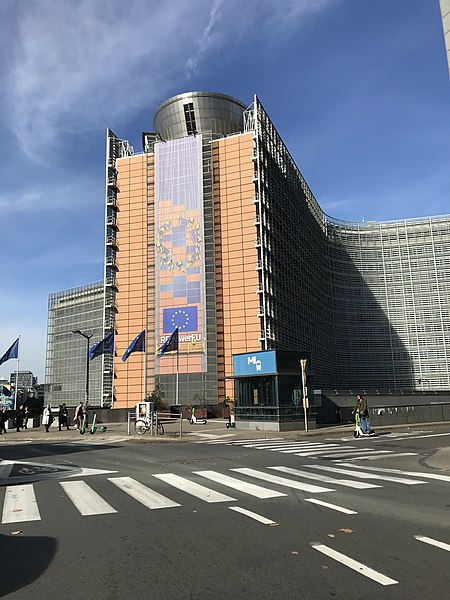
The European Commission says EU countries have made strong progress in preparing for the launch of the Pact on Migration and Asylum, but warns that critical gaps still need to
be closed before the system becomes fully operational in June 2026.
In a new assessment published today, the Commission said most Member States are moving ahead with reforms required under the landmark migration overhaul, including tougher border screening procedures, expanded reception capacity and new systems for sharing responsibility across the bloc.
Adopted in May 2024, the Pact represents the European Union’s most significant reform of migration and asylum policy in years. The package aims to create a unified system combining stricter external border controls with common asylum procedures and a new solidarity mechanism designed to distribute responsibilities more evenly among Member States.
According to the Commission, countries have already taken “considerable progress” in adapting national legislation and building the operational structures needed for the Pact to work. Preparations are underway for mandatory border screening procedures, while governments are also strengthening systems for transferring asylum applicants between Member States under the revised rules.
At EU level, officials highlighted the establishment of the first Annual Solidarity Pool — a mechanism intended to coordinate support among Member States — as a major milestone in implementing the new framework.
Despite the advances, Brussels stressed that several essential elements remain unfinished. The Commission identified delays in rolling out the upgraded Eurodac biometric database, building screening and border-processing facilities, and introducing measures to reduce irregular movement of migrants between EU countries.
Additional work is also needed to operationalise safeguards linked to fundamental rights monitoring, officials said.
The Pact is scheduled to enter into force on 12 June 2026 following a two-year transition period. However, the Commission underlined that implementation will continue well beyond that date as Member States adapt to the new system.
To support the transition, the Commission said it has allocated €3 billion for implementation efforts and assistance linked to temporary protection for Ukrainians. EU agencies including Frontex, Europol, the European Union Agency for Asylum and eu-LISA are also involved in the rollout.
The update comes as the EU seeks to tighten migration management amid mounting geopolitical pressures and continuing debates over asylum policy. Earlier this year, the Commission proposed additional measures including a common European returns system, an EU-wide list of safe countries of origin and new rules on safe third countries aimed at accelerating asylum decisions.
Brussels also pointed to a decline in irregular arrivals, saying illegal border crossings at the EU’s external borders fell by 26% in 2025 compared with the previous year.
Today’s report is the third progress update issued by the Commission since the Pact was adopted.