












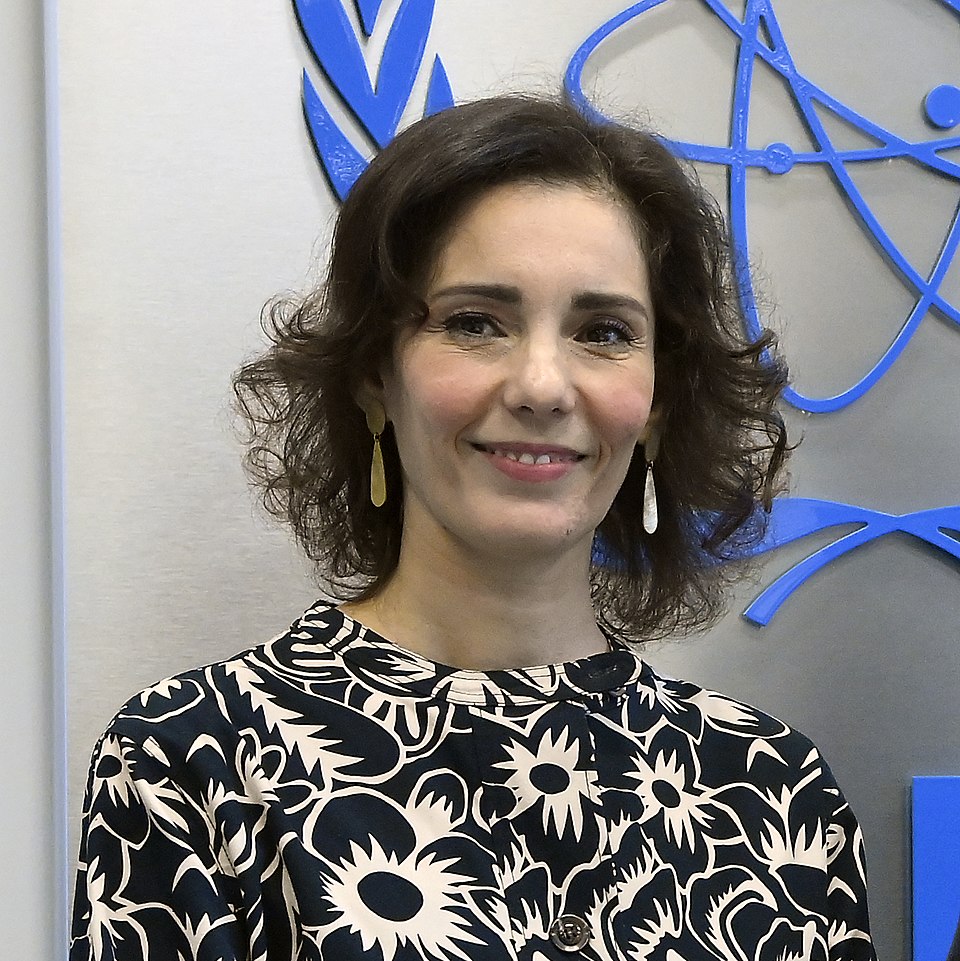
European Commissioner for Crisis Management Hadja Lahbib visited Beirut on Friday to assess humanitarian operations and reaffirm the European Union’s support for Lebanon,
where more than half the population now depends on aid amid ongoing conflict and displacement.
During meetings with Lebanese President Joseph Aoun and humanitarian organisations, Lahbib announced that a seventh EU humanitarian flight carrying emergency supplies is scheduled to arrive in Lebanon on Saturday.
The EU has committed €100 million in emergency assistance since fighting between Israel and the Iran-backed Hezbollah movement escalated in early March. Through a dedicated humanitarian air corridor, Brussels has already delivered around 250 tonnes of essential supplies, while additional assistance from EU member states is being coordinated under the bloc’s Civil Protection Mechanism.
Lahbib said her visit aimed to evaluate conditions on the ground and strengthen coordination with aid partners operating in increasingly difficult circumstances.
“It is important to meet humanitarian partners directly, understand the challenges they face and determine how we can provide the most effective support,” she said, adding that the EU had been among the first international actors to respond to Lebanon’s humanitarian needs.
Her visit follows a trip earlier this week by Belgian Foreign Minister Maxime Prévot, who announced additional Belgian funding for relief efforts in Lebanon.
According to Lebanon’s Health Ministry, nearly 2,700 people have been killed and more than 8,200 injured in Israeli strikes over the past two months. The violence has displaced more than one million residents across the country.
Although a ceasefire officially came into effect on 17 April, hostilities have continued. Israel carried out another air strike on Beirut on Wednesday, underscoring the fragility of the truce.
Lahbib described the ceasefire as “a glimmer of hope” but urged all sides to take steps toward a lasting peace.
“Hezbollah must be disarmed and Israel must end its bombardments,” she said, calling for “political courage” to address the underlying causes of the conflict.
Israel and Lebanon are expected to begin peace talks in Washington next week, despite opposition from Hezbollah. Photo by IAEA Imagebank, Wikimedia commons.