










The European Union has given Germany the green light to cement long-term control over the German assets of Russian oil giant Rosneft, easing
uncertainty around some of the country’s most critical refineries.
On Friday, the European Commission approved a new trusteeship arrangement that allows Berlin to oversee Rosneft’s German operations on an open-ended basis. The move is designed to provide a durable, legally sound solution for assets that have been under temporary state control since 2022.
Those assets include Rosneft’s stakes in key refineries such as PCK Schwedt, MiRo, and Bayernoil. They were placed under German trusteeship after Russia’s invasion of Ukraine upended decades of energy cooperation between Berlin and Moscow.
Until now, the arrangement had to be renewed every six months on national security grounds—a cycle that repeatedly cast doubt over the future of PCK Schwedt, which supplies most of the fuel used in Berlin. The current mandate is set to expire on March 10.
Under the newly approved structure, the trusteeship will no longer be time-limited. Crucially, Rosneft’s shareholders will be barred from exercising their voting rights for as long as the trusteeship remains in place, according to a Commission spokesperson. While ownership technically stays with Rosneft, effective control rests with the German state.
The decision removes a major regulatory obstacle for keeping the refineries operating under German oversight, while carefully avoiding outright expropriation—a step that could have triggered lengthy legal battles.
However, one major challenge remains unresolved: U.S. sanctions on Rosneft. Washington’s measures against Russia’s energy sector continue to complicate operations, despite Germany having secured a temporary exemption for PCK Schwedt. That waiver expires on April 29.
According to correspondence seen by Reuters, refinery management warned German officials last month that the sanctions were already weighing on business and could threaten fuel supplies to Berlin and surrounding regions.
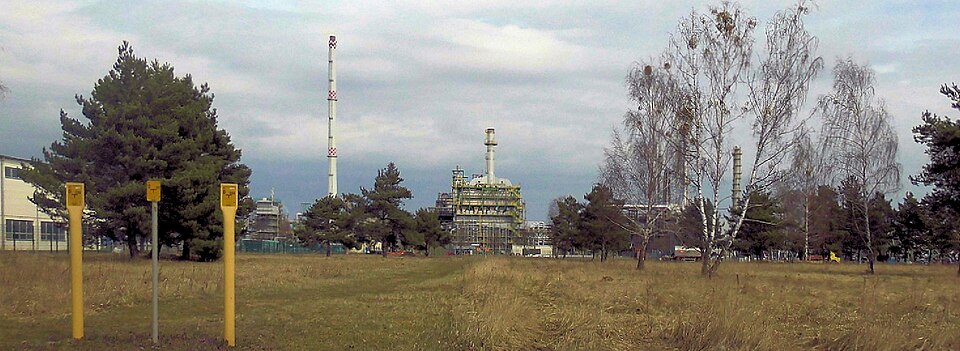
For now, the EU’s approval brings a measure of stability to Germany’s energy landscape—but the longer-term outlook will still hinge on sanctions policy and geopolitical tensions beyond Berlin’s control. Photo by Rauenstein, Wikimedia commons.