














Poland’s parliament has approved legislation enabling the country to access nearly €44 billion in defence loans from the European Union, sending the bill to President
Karol Nawrocki for final approval.
The funds would come from the EU’s SAFE defence financing programme and are intended to strengthen Poland’s military capabilities and support the domestic defence industry. But it remains uncertain whether Nawrocki, who is aligned with the opposition, will sign the bill into law or exercise his veto.
Opposition figures have urged the president to block the legislation, arguing that participation in SAFE could increase Brussels’ leverage over Poland. The government rejects those claims, insisting the programme would significantly enhance national security. Officials also warn that a presidential veto would not fully block access to the money but would complicate the process and could prevent Poland from using the entire amount.
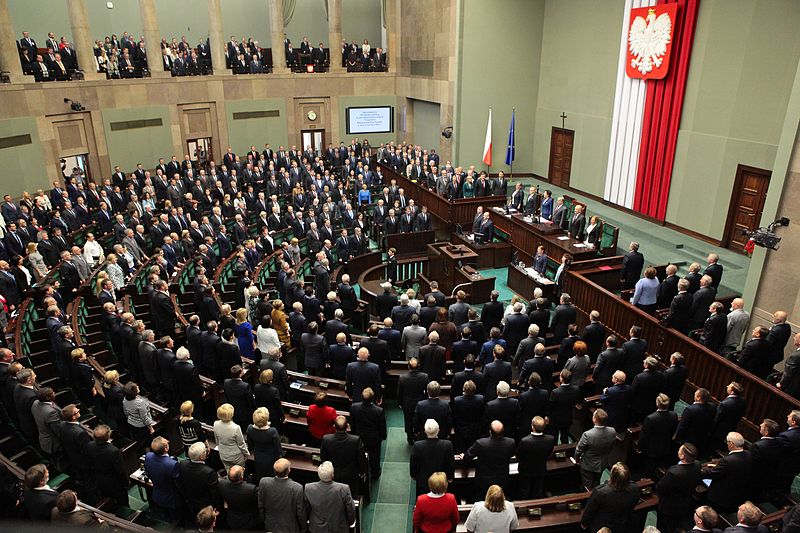
Earlier this month, the Sejm — Poland’s lower house of parliament — passed the original version of the bill, which establishes a framework for the state development bank BGK to receive and distribute the EU loans. The legislation then moved to the Senate, which adopted a series of amendments aimed, according to the ruling coalition, at easing concerns raised by the opposition.
Those changes were accepted this week by the Sejm, clearing the way for the bill to be sent to the president. Among the amendments is a provision that costs related to loan repayment and servicing would be covered by a specially created budget reserve, rather than counting toward statutory defence spending limits. Another amendment requires Poland’s security services to carry out anti-corruption and counter-intelligence oversight of how the funds are used.
However, the Senate rejected opposition-backed amendments that sought to limit the EU’s ability to suspend funding under its so-called conditionality mechanism. Critics say that mechanism gives Brussels excessive influence over member states’ domestic affairs.
Speaking on Wednesday, Nawrocki echoed those sovereignty concerns. While acknowledging that Poland’s armed forces need additional funding, he said “doubts arise from the programme’s sovereignty aspect” and stressed the need for assurances that the EU would not withhold or suspend the money.
Opposition leader Jarosław Kaczyński has gone further, arguing that greater EU oversight of defence spending could be used to place Poland “under German rule” — a claim strongly rejected by the government.
The president’s office and opposition politicians have also warned that SAFE rules requiring most of the funds to be spent within Europe could strain relations with the United States, Poland’s key security ally and a major supplier of military equipment.
Whether Nawrocki signs or vetoes the bill is likely to shape not only Poland’s defence financing plans, but also its broader relationship with Brussels in the months ahead. Photo by The Chancellery of the Senate of the Republic of Poland, Wikimedia commons.