













Belgium is tightening the financial conditions for non-European students applying for study visas, significantly raising the amount they must prove they can
live on during their stay.
From the 2026–2027 academic year, non-EU students will need to demonstrate a minimum of €1,050 per month in financial resources, up from the current €835. The new threshold, announced by migration minister Anneleen Van Bossuyt, will be indexed annually and is expected to rise to €1,062 net per month by the time the rule comes into force.
Because applicants are generally required to show they can finance an entire academic year in advance, the change means students will need to set aside roughly €12,700 before applying for a visa.
Cost of living no longer reflected
To obtain a Belgian study visa, applicants must already submit a clean criminal record, a medical certificate, a recognised diploma and proof of sufficient financial means. According to Van Bossuyt, the existing financial threshold no longer reflects reality.
“Housing, food and daily expenses have increased sharply,” the minister argues. “The previous amount was simply not enough for students to live decently without falling into financial difficulty.”
The government says the measure is designed both to protect students and to prevent them from turning to social assistance. Access to welfare for non-EU nationals is set to become stricter anyway, with eligibility only granted after five years of legal residence.
Applications rising, refusals mounting
Interest in studying in Belgium continues to grow. In 2025, 16,434 non-European students applied for a Belgian study visa. More than 12,400 applications were approved, with the largest groups coming from Cameroon, Morocco and China.
At the same time, refusals are increasing. Last year, 2,615 applications were rejected, including 1,098 from Cameroon and 536 from Morocco. Thousands of other files are still under review.
The higher financial threshold is also intended to curb abuse of the student visa system. The Immigration Office acknowledges that some applicants submit falsified diplomas, enrol without attending classes, or overstay their visas once their studies end.
Van Bossuyt insists that study migration should be based on academic exchange, not used as a back door to long-term residence. “A period of study should be temporary and credible,” she says.
Universities back the decision
Belgian universities have largely welcomed the move. Several institutions had already adopted higher internal standards, arguing that the old amount was unrealistic.
“We have long felt that €835 was insufficient for students to cover basic living costs,” a spokesperson for KU Leuven said. “We are pleased the federal government is aligning the law with actual practice.”
Universities do not expect the new requirement to significantly reduce international enrolment.
Guarantor system to be tightened
Students can prove their financial means in three ways: through a scholarship, by depositing funds into a blocked bank account that releases monthly allowances, or by relying on a guarantor.
The guarantor system, however, is under increasing scrutiny. A guarantor — a Belgian citizen or legal resident — commits to covering a student’s housing, healthcare, study costs and potential debts. Authorities say some individuals have been advertising themselves online as paid guarantors without having the financial capacity to honour those commitments.
To tackle the problem, the minister plans to introduce a central guarantor database that would blacklist those who fail to meet their obligations.
Stricter system, same message
While each application will continue to be assessed individually, the government is making it clear that the rules around student migration are becoming tougher.
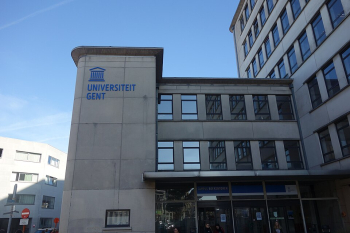
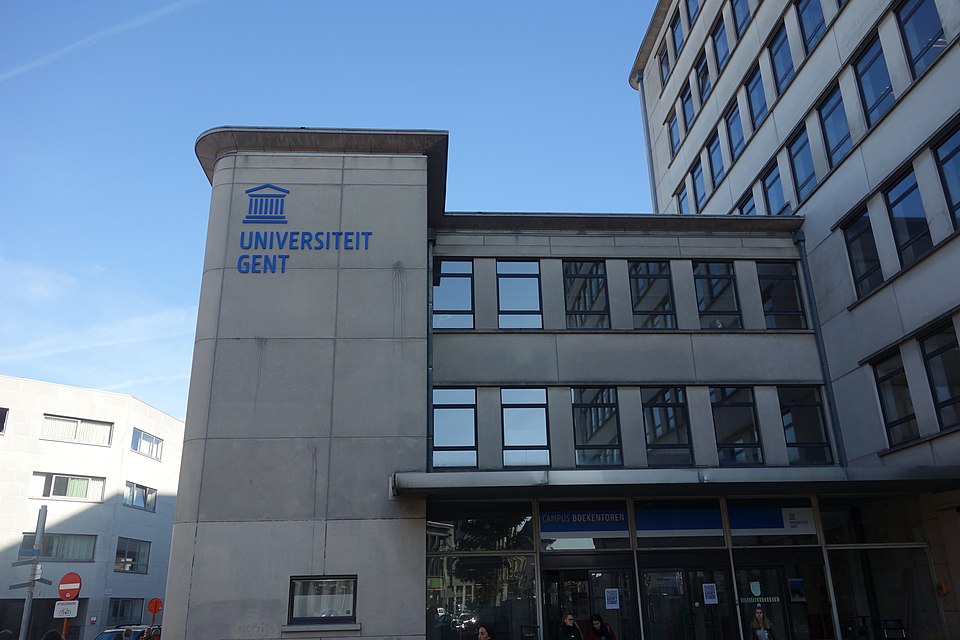
The stated goal, Van Bossuyt says, is to ensure that studying in Belgium remains financially sustainable, academically credible and fair — without placing extra pressure on social services or allowing loopholes for irregular migration. Photo by Vysotsky, Wikimedia commons.