












European tourism has chalked up another milestone. In 2025, the European Union recorded nearly 3.1 billion nights spent in tourist accommodation,
confirming the year as yet another record-breaker for the sector.
According to the latest figures, this marks a 2.2% increase compared with 2024 — an additional 66.4 million overnight stays in just 12 months. The growth highlights Europe’s continued appeal as both a domestic and international travel destination, despite economic uncertainty in parts of the world.
International travel leads the rebound
International guests were the main driver behind the rise. Overnight stays by foreign visitors climbed by 3.4%, adding almost 50 million nights to the annual total. Domestic tourism also remained resilient, growing by 1.1%, or 16.7 million nights, compared with the previous year.
Four countries dominate EU tourism
Tourism activity remained highly concentrated. Almost **two-thirds (61.7%)** of all overnight stays were recorded in just four countries:
- Spain: 513.6 million nights
- Italy: 476.9 million
- France: 471.7 million
- Germany: 442.1 million
At the other end of the scale, Luxembourg, Latvia and Estonia reported the lowest tourism volumes, each accounting for fewer than 7 million nights over the year.
Growth across most of the EU
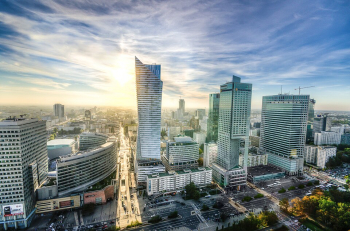
Tourism nights increased in 24 out of 27 EU countries in 2025. The strongest annual growth was seen in Malta, where overnight stays jumped by 10.1%, followed by Poland with a 7.2% rise.
Only three countries recorded declines over the year: Luxembourg (-2.4%), Romania (-1.7%) and Ireland (-0.4%).
Strong finish to the year
Momentum carried through to the final months of 2025. In the fourth quarter, overnight stays across the EU rose by 3.0% compared with the same period in 2024. Growth was recorded in 25 member states, with particularly strong increases in Ireland (+12.0%) and Malta (+10.9%). Declines were limited to Romania (-4.6%) and Luxembourg (-0.4%).
Data source
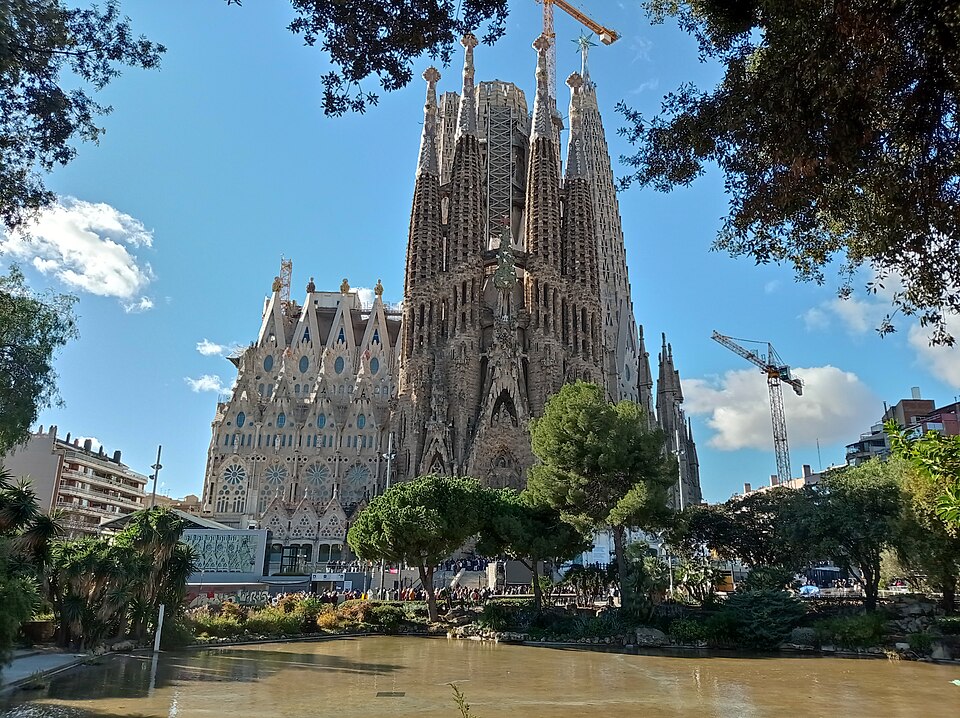
The figures are based on monthly tourism statistics released by Eurostat, with more detailed insights available through its Statistics Explained publications on tourist accommodation across the EU. Photo by Canaan, Wikimedia commons.