










Marking a decisive shift from a decade of crisis management to long-term nation-building, the European Commission and the Syrian Transitional Authorities convened the Syria
Partnership Coordination Forum today. The high-level meeting signaled a new era of cooperation aimed at rebuilding the country’s shattered infrastructure and reintegrating Syria into the Euro-Mediterranean space.
Co-chaired by EU Commissioner for the Mediterranean Dubravka Šuica and Syrian Foreign Minister Asaad Hassan al-Shaibani, the forum brought together global financial institutions, UN representatives, and member states to align international aid with Syria's post-Assad recovery priorities.
A "technical hub" for a new Syria
The centerpiece of the forum was the announcement of a €15 million Technical Assistance Hub. This "Team Europe" flagship initiative is designed to act as a bridge between Syrian institutions and international expertise.
"The Hub will serve as a primary entry point for Syrian authorities to access the technical knowledge required to modernize public services," Commissioner Šuica stated. "We are moving beyond emergency relief to help build the institutional backbone of a stable, prosperous Syria."
Infrastructure and health: the €175 million package
The EU underscored its commitment to immediate tangible improvements in Syrian lives through several key investments:
Healthcare Restoration: A €14 million allocation was confirmed for the rehabilitation of the Al-Rastan Hospital in Homs.
The Health Initiative: Launch of a specialized Team Europe project to restore major medical facilities nationwide.
Private Sector Growth: New agreements were reached to improve access to finance and streamline the business environment to attract foreign investment.
These projects are part of a broader €175 million recovery package initiated during Šuica’s 2025 visit to Damascus. Looking ahead, the EU has earmarked an additional €620 million for the 2026–2027 period, blending humanitarian aid with socio-economic development.
Analysis: a strategic realignment
The forum coincided with the first EU-Syria High Level Political Dialogue, representing a "strategic shift" in bilateral relations. This follows the landmark January visit to Damascus by Commission President Ursula von der Leyen and Council President Antonio Costa.
Since the fall of the Assad regime, the EU has moved rapidly to normalize relations, lifting all remaining economic sanctions in May 2025. Today, the Commission went a step further, proposing the resumption of the EU-Syria Cooperation Agreement, which would restore vital trade preferences and accelerate Syria’s economic reintegration.
"Today’s events mark a move from crisis response to a partnership built on a shared vision," the Commission noted in a statement. "The EU continues to stand by the Syrian people, ensuring the transition remains inclusive and peaceful."
By the numbers: EU support for Syria
|
Period |
Focus |
Total Contribution |
|
2011 – 2024 |
Humanitarian & Stabilization Assistance |
€41 Billion |
|
2025 |
Initial Socio-Economic Recovery Package |
€175 Million |
|
2026 – 2027 |
Allocated Recovery & Humanitarian Aid |
€620 Million |
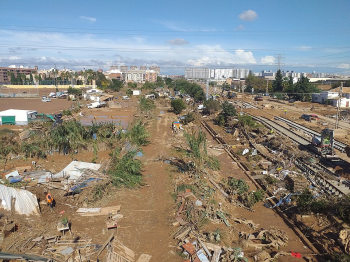
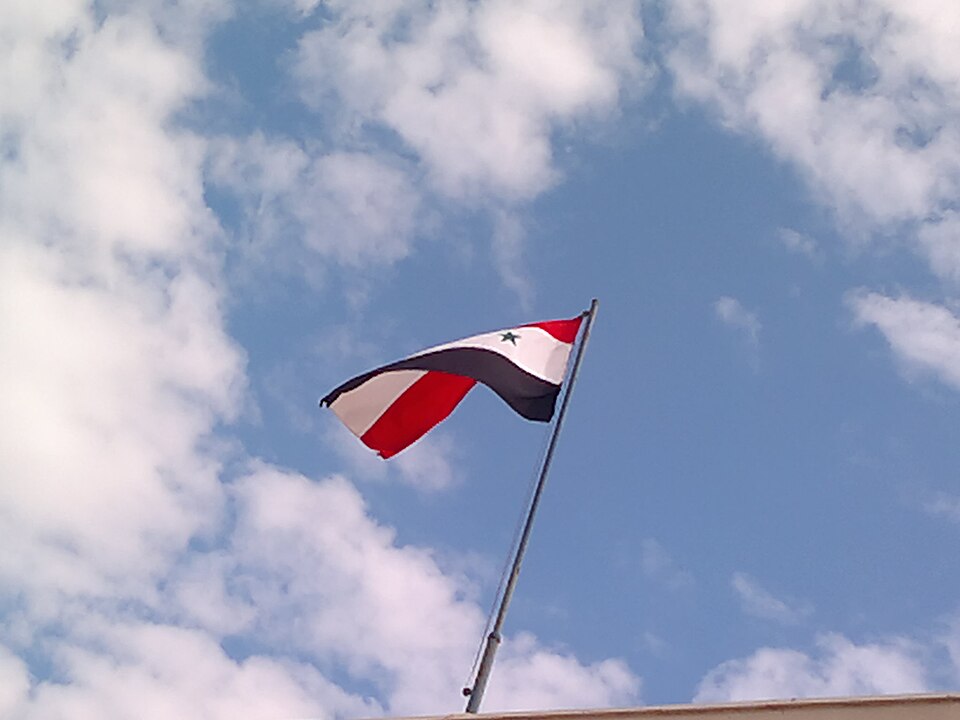
While the challenges of reconstruction after years of devastation remain immense, the Brussels forum has established a clear roadmap. By focusing on institutional capacity and healthcare, the EU is betting that a stable, technocratic foundation is the quickest path to a peaceful Syrian future. Photo by Freedom's Falcon, Wikimedia commons.