
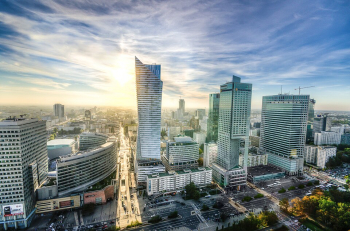









Poland has recorded the fastest growth in the world in the number of ultra-wealthy individuals over the past five years, according to a new international report, underscoring the
country’s remarkable economic transformation while also reigniting debate over inequality.
A study published by global real estate consultancy Knight Frank found that the number of ultra-high-net-worth individuals (UHNWIs) in Poland jumped by more than 109% between 2021 and 2026. The report defines UHNWIs as people with assets worth at least $30 million (around 108 million zloty).
The number of such individuals in Poland rose from 1,442 to 3,017 during that period — the highest growth rate among the 44 countries included in the study. Qatar ranked second with growth of 106.9%, followed by Turkey at 93.6%.
Despite the rapid rise, Poland still has far fewer ultra-wealthy residents than Western Europe’s largest economies. Germany currently has more than 38,000 UHNWIs, while France counts over 21,000 and Italy more than 15,000.
Knight Frank predicts Poland’s wealthy elite will continue to expand quickly. By 2031, the number of UHNWIs in the country is expected to reach nearly 5,000, representing growth of almost 63%. Only Indonesia and Saudi Arabia are forecast to grow faster.
The report also points to a sharp rise in Poland’s billionaire population. The country currently has 13 billionaires, but that figure is expected to climb to 29 within five years — an increase of 123%, second only to Saudi Arabia.
According to Knight Frank, rapidly developing economies such as Poland, Indonesia, Saudi Arabia and Vietnam are increasingly driving global wealth growth, replacing the traditional dominance of long-established financial centres.
Poland’s economic rise over the last three decades has been one of the fastest in Europe. IMF data show that GDP per capita climbed from around $2,700 in 1994 to more than $25,000 in 2024. The Polish economy is also projected to overtake Switzerland’s by 2028, making it the world’s 20th-largest economy.
Signs of growing prosperity are visible beyond the billionaire class. A recent survey by state research agency CBOS found that a record 39% of Poles now describe themselves as financially comfortable, compared with just 3% in the early 1990s.
At the same time, concerns about inequality remain strong. Around three-quarters of respondents in another CBOS survey said they do not believe Poland offers equal opportunities to all citizens.
Official figures from the World Bank show that Poland’s income inequality has declined significantly since the early 2000s, with the country’s Gini index falling from 34.9 in 2003 to 28.5 in 2023. However, the trend has largely stalled in recent years.
Meanwhile, the Polish Economic Institute has argued that real inequality may be higher than official data suggest, noting that the richest 1% of Poles account for roughly 13–14% of total income.
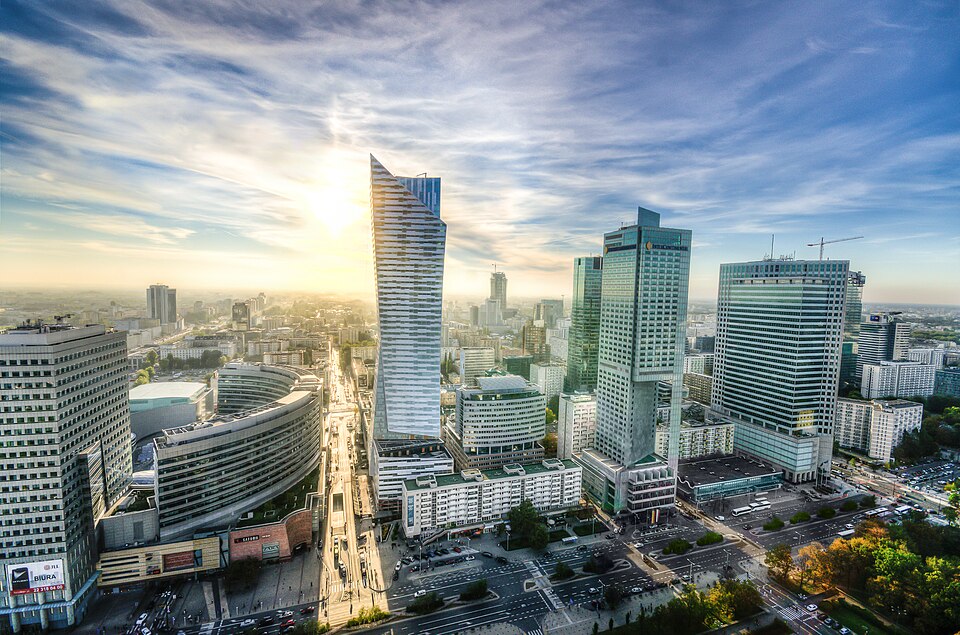
Even so, poverty levels have continued to fall. Earlier this year, Statistics Poland reported that only 2% of the population is unable to meet basic living needs — the lowest level since records began. Photo by Peter Heeling; Skitterphoto, Wikimedia commons.