










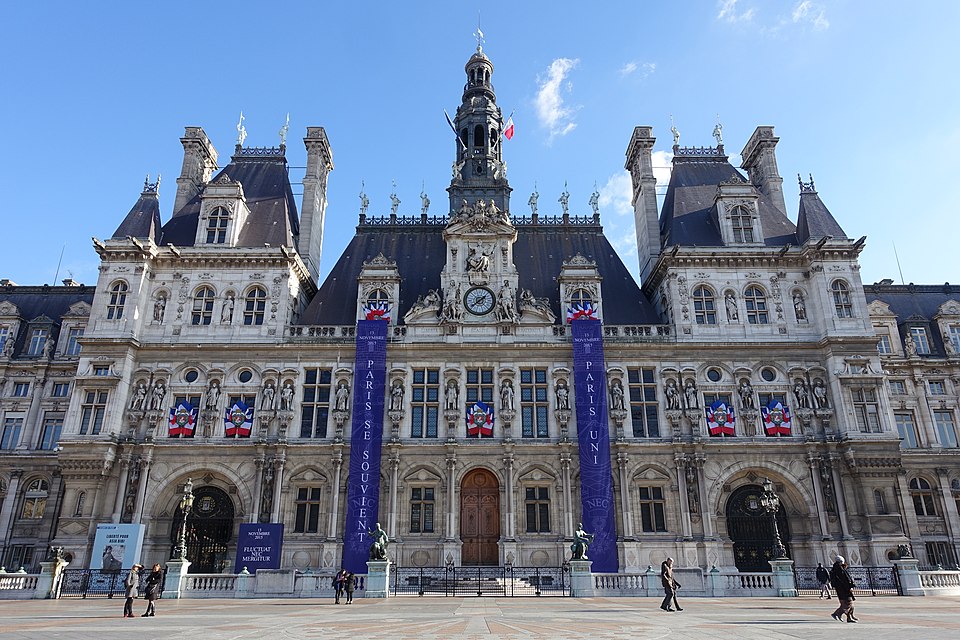
Cycling advocate Marion Soulet glides toward Paris City Hall along Rue de Rivoli — a street that once roared with car traffic but now serves as a busy cycleway. For many
residents, the route represents more than just a commute; it’s a visible symbol of Paris’s sweeping environmental transformation. That transformation is now under scrutiny as voters head to the polls in the upcoming mayoral election.
Soulet, who leads the cycling group Paris en Selle, says the expansion of bike infrastructure over the past decade has dramatically changed how Parisians move around their city.
“The more the city is redesigned to accommodate cycling, the more people ride,” she said after finishing a ride through central Paris. “It’s simple, affordable and quick — that’s why people like it.”
Under the leadership of outgoing mayor Anne Hidalgo, Paris has built roughly 1,000 kilometers of cycle lanes, helping to normalize biking as a weekly activity for nearly half the city’s residents. The transformation has been part of a broader push to reshape the French capital into a greener “15-minute city,” where residents can reach most daily needs within a short walk or bike ride.
But with Hidalgo stepping aside, the election is shaping up as a referendum on her legacy.
Two leading candidates dominate the race: Socialist contender Emmanuel Grégoire, who wants to accelerate the green transition, and conservative rival Rachida Dati, who argues the changes have gone too far and risk undermining the traditional charm of Paris.
Polls suggest a tight contest. Grégoire is polling around 33%, while Dati trails slightly at roughly 30%. A wildcard in the race is 32-year-old nationalist candidate Sarah Knafo, whose rising support could complicate the runoff if she surpasses the 10% threshold required to advance.
A decade of urban transformation
Over the past 20 years, city authorities have steadily worked to reduce traffic and pollution in Paris. The policies accelerated under Hidalgo, with initiatives designed to make the capital more resilient to climate change and more livable for its two million residents — and the wider metropolitan region of about ten million people.
City Hall reports that more than 130,000 trees have been planted, while tens of thousands of street parking spaces have been removed. Sections of riverside highways along the Seine River have been converted into pedestrian zones.
The impact has been significant: car traffic in Paris has dropped by more than 60% since 2002, while bicycle use has more than tripled. Air pollution levels have also improved.
Urban policy experts say the scale of change is remarkable. According to Patrick Le Gales, an urbanist at Sciences Po, few major cities have undergone such a dramatic shift in mobility and public space.
Yet the transformation has also drawn criticism.
Debt, cleanliness and political backlash
Opponents argue that the rapid pace of change has created disruption and financial strain. Paris’s municipal debt has climbed to roughly €10 billion — an increase of more than 40% since 2020 — while residents often complain about construction works and street cleanliness.
Motorists’ advocate Pierre Chasseray, head of the lobby group 40 Million Motorists, says the policies have deepened divisions between residents.
“We’ve created a caricature of the capital,” he said. “Motorists on one side, cyclists on the other — the good guys versus the bad guys.”
Critics also point to viral social media posts using the hashtag **#saccageParis**, highlighting issues ranging from overflowing trash bins to long-running roadworks.
Grégoire acknowledges that City Hall may have moved too quickly.
“We probably tried to do too much at once,” he said. “If I had led the process, I might have chosen a different timeline to ensure better implementation.”
Candidates position for the runoff
Dati, a former minister and lawyer of North African descent, has softened earlier criticism of bike lanes, instead focusing her campaign on quality-of-life concerns such as sanitation and urban maintenance. In one campaign video, she appears in a high-visibility vest working alongside city garbage collectors.
“The city has become dirtier — that’s obvious to everyone,” she said during a campaign stop.
However, her more moderate approach on transportation — combined with a looming corruption trial she denies — has opened political space for Knafo on the far right.
Knafo has proposed an AI-generated urban plan that would bring cars back to sections of the Seine riverbanks. She has also staged media interviews from inside a moving car while driving through the capital, underscoring her campaign’s pro-motorist message.
For Soulet and many cycling advocates, such proposals reflect nostalgia rather than the future.
She believes the appeal of reversing Paris’s green transformation is limited. “Only a small group of Parisians want to turn the clock back,” she said.
With voters about to decide the city’s next mayor, the election will reveal whether Parisians still back the ambitious environmental overhaul that has reshaped their streets — or whether they are ready for a different direction. Photo by Guilhem Vellut from Paris, France, Wikimedia commons.