










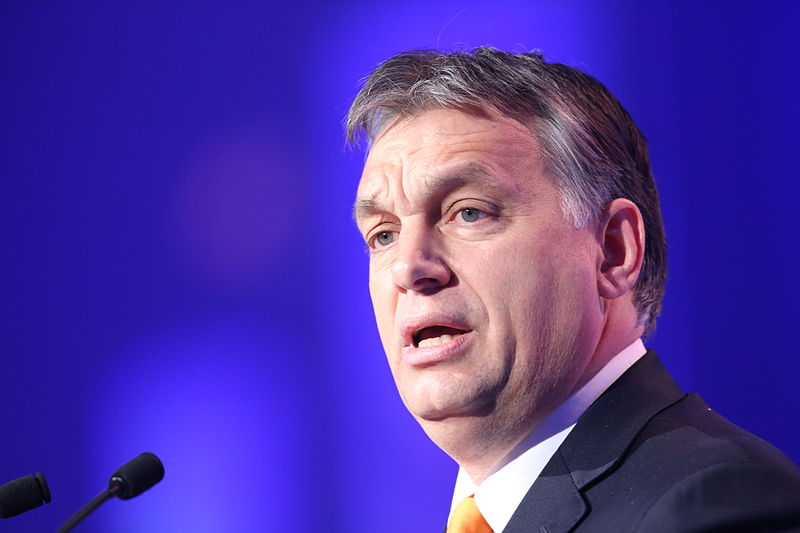
Tensions flared at a European Union summit in Brussels as Viktor Orbán held firm in opposing a proposed €90 billion financial package for Ukraine, despite mounting pressure
from fellow leaders.
According to diplomatic sources, the Hungarian prime minister resisted calls to approve the loan following high-level discussions, drawing sharp criticism from across the bloc. Bart De Wever labeled the stance “unacceptable,” while Finland’s Petteri Orpo went further, calling it a “betrayal.”
Orbán has tied his support to energy concerns, insisting Hungary must first resume receiving Russian oil through the Druzhba pipeline, which runs through Ukrainian territory. Kyiv maintains the infrastructure was damaged by Russian actions, while Hungary and Slovakia argue Ukraine is delaying necessary repairs.
European Council President António Costa rejected Orbán’s conditions outright, stressing that financial aid and energy transit are separate matters. He described Hungary’s position as inconsistent with EU principles of cooperation and good faith, adding that efforts are ongoing to restore the pipeline in coordination with Ukraine.
Slovakia’s prime minister, Robert Fico, echoed some concerns, citing the economic toll of disrupted oil flows. Nevertheless, 25 out of 27 EU leaders ultimately backed the summit’s conclusions on Ukraine, isolating Hungary and Slovakia.
Zelensky presses for urgency
Addressing leaders via video, Ukrainian President Volodymyr Zelensky underscored the urgency of the financial package, calling it “the most important financial security guarantee” for his country.
Zelensky also highlighted ongoing military needs, particularly air defense systems, urging partners to secure additional Patriot missiles. He acknowledged divisions among EU members over allocating part of the loan for such purchases but stressed their necessity in countering Russian ballistic threats.
Meanwhile, the European Commission had hoped to release the first tranche of funding in early April. However, delays linked to Hungary’s opposition may push the timeline back, even as interim support from the International Monetary Fund is expected to stabilize Ukraine’s finances through mid-May.
Political undercurrents
Some EU officials believe Orbán’s stance may be influenced by Hungary’s upcoming parliamentary elections in April. Zelensky, for his part, used the moment to call for clearer progress on Ukraine’s path to EU membership, warning that external actors — including Russia — must not be allowed to obstruct accession.
While the EU continues to emphasize a merit-based enlargement process, Hungary has repeatedly blocked key steps, including the opening of formal negotiation clusters with Kyiv. Photo by European People's Party, Wikimedia commons.