













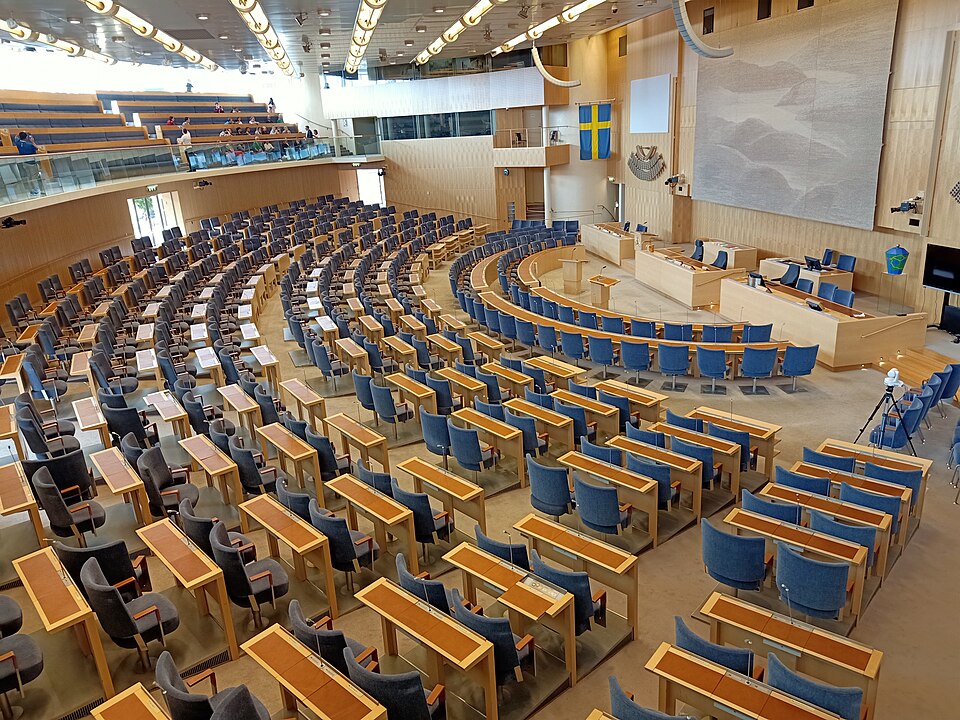
Sweden has introduced stricter rules for gaining citizenship — and it’s done so in a way that’s raising eyebrows across Europe. In a move approved by Parliament on April 29, the
country has decided to apply new naturalization requirements retroactively, meaning they affect people who have already applied. More than 100,000 applicants could now see their cases rejected, even if they met all the criteria when they first submitted their applications.
The timing is symbolic. The new rules are set to take effect on June 6, Sweden’s National Day — a holiday marked by citizenship ceremonies across the country. These celebrations, sometimes attended by members of the royal family in Stockholm, are meant to welcome new citizens. This year, however, the occasion will also mark a major shift in who qualifies to join them.
What makes this decision particularly controversial is the lack of a transition period. Typically, when countries change citizenship laws, they allow pending applications to be processed under the old rules. In this case, the Swedish government chose not to do so, despite recommendations from the Council on Legislation, which reviews proposed laws before they reach Parliament. This makes Sweden an outlier in Europe.
For many applicants, the change feels deeply unfair. Becky Waterton, a 32-year-old originally from Manchester, moved to Sweden in 2019. She is married to a Swedish citizen and has a child who already holds Swedish nationality. After receiving permanent residency, she applied for citizenship in April 2024, expecting the process to follow the existing rules.
Instead, she now finds herself caught in uncertainty. While the official processing time for citizenship applications is six months, the reality is very different. According to immigration data, applicants often wait nearly five years — around 56 months — for a decision. That delay means many, like Waterton, are still waiting and could now be judged under stricter rules that didn’t exist when they applied.
For thousands of hopeful future citizens, Sweden’s policy shift has turned what once felt like a clear path into an unpredictable and frustrating wait. Photo by Suyash Dwivedi, Wikimedia commons.