











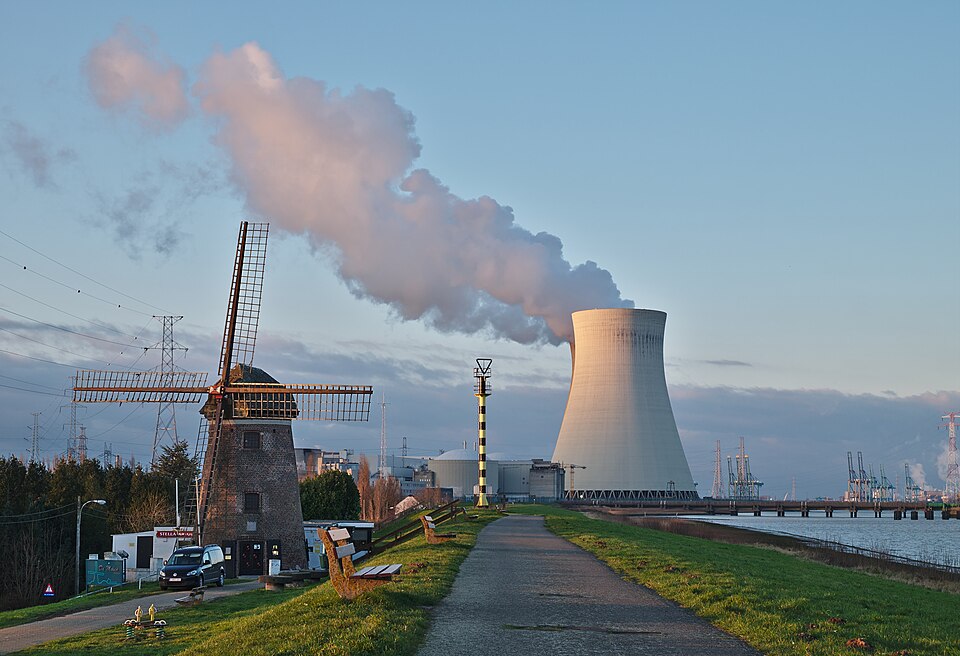
Belgium’s government has announced plans to take full ownership of the country’s nuclear power plants from French energy company Engie, marking a significant shift in its
long-term energy strategy.
Prime Minister Bart De Wever said the proposal involves a complete takeover of all seven of Belgium’s nuclear reactors, a move aimed at strengthening national energy security and reducing reliance on imported fossil fuels.
“This government is choosing safe, affordable and sustainable energy, with less dependence on fossil fuel imports and more control over our own supply,” De Wever said in a statement.
If completed, the deal would halt the country’s long-standing plans to phase out nuclear energy—policies that were introduced in the early 2000s over safety concerns. Those rules banned the construction of new reactors and limited existing ones to 40 years of operation.
Currently, only two reactors remain active, located at the Doel and Tihange sites, with operating licenses recently extended to 2035. The remaining five reactors, shut down between 2022 and 2025, were scheduled for dismantling. Those plans will now be put on hold.
The Belgian government and Engie aim to reach an agreement on the transfer by 1 October. In a joint statement, both parties emphasized ambitions not only to extend the lifespan of existing facilities but also to explore the development of new nuclear capacity.
Officials said the strategy is designed to ensure long-term energy security while supporting climate goals, economic stability, and industrial resilience.
Belgium’s move reflects a broader trend across Europe, where several countries are reassessing their stance on nuclear power after years of hesitation. Rising energy demands and geopolitical uncertainties have prompted renewed interest in nuclear as a stable, low-carbon energy source.
The country’s reactors, however, have long been a source of controversy. Frequent shutdowns for safety inspections and concerns over aging infrastructure have drawn criticism both domestically and from neighboring nations.
In 2015, plans to extend reactor lifespans beyond their original limits triggered objections from nearby regions. Concerns intensified in 2017 when authorities in the German city of Aachen distributed iodine tablets to residents amid fears linked to reported cracks and leaks at the Tihange facility.
Despite these concerns, Belgium’s latest move signals a decisive turn toward nuclear energy as a cornerstone of its future power supply. Photo by Trougnouf, Wikimedia commons.