










Poland is stepping up its support for Ukraine’s cultural sector, announcing funding for 41 new projects aimed at preserving the country’s heritage during wartime. The initiative, led
by Poland’s Ministry of Culture and National Heritage in partnership with the Polonika National Institute of Polish Cultural Heritage Abroad, highlights a growing recognition that culture is not just symbolic—but strategic.
Speaking at the international conference “Cooperation for Resilience” held in Lviv on March 29–30, Polish Deputy Culture Minister Marta Cienkowska emphasized that safeguarding Ukraine’s cultural identity is vital for the stability of the entire region.
Her remarks came just days after a Russian drone strike hit a historic area of Lviv on March 24, damaging buildings near the Bernardine Monastery, part of the city’s UNESCO-listed old town. Among the affected sites was the Central State Historical Archives of Ukraine in Lviv, home to invaluable documents dating back to the 13th century.
Polish institutions have already been actively involved in emergency efforts—digitizing fragile records, improving storage conditions, and helping secure damaged facilities. According to Cienkowska, such actions are crucial in ensuring that Ukraine’s historical memory survives the ongoing conflict.
“Support for Ukraine’s cultural sovereignty is essential for the stability of the region,” she said, arguing that a strong cultural foundation strengthens a nation’s resilience against external aggression.
Since the start of Russia’s full-scale invasion in 2022, Poland has played a leading role in mobilizing cultural assistance for Ukraine. In 2026 alone, Warsaw plans to contribute more than €200,000 to UNESCO’s emergency cultural aid programs.
The war has also prompted institutional changes in Poland. The Ministry of Culture recently established a new Department of Security and Crisis Management, drawing lessons directly from Ukraine’s experience in protecting cultural assets under attack. Expanded digitization efforts are also underway to safeguard vulnerable collections.
The Lviv conference brought together international partners to assess how Ukraine’s cultural sector continues to function despite constant threats. Discussions focused on both immediate protection and long-term reconstruction, including plans for a global alliance dedicated to cultural resilience and a specialized fund for Ukrainian heritage.
Cienkowska also stressed the importance of limiting the global presence of Russian cultural institutions during the war. She noted her participation in a joint protest opposing Russia’s potential return to the Venice Biennale.
Founded in 2017, Polonika has been instrumental in preserving Polish cultural heritage abroad, with projects spanning conservation, research, education, and public outreach. Its work in Ukraine reflects broader efforts to protect shared cultural legacies across borders.
Polish–Ukrainian relations context:
Poland and Ukraine share deep historical, cultural, and political ties that have evolved significantly—especially since 2022. While their relationship has not always been simple, marked by difficult historical chapters such as the Volhynia massacres, recent years have seen a strong shift toward partnership and solidarity.
Since Russia’s invasion, Poland has become one of Ukraine’s closest allies—politically, militarily, and socially. Millions of Ukrainian refugees have been welcomed into Poland, and cooperation now extends beyond defense into areas like infrastructure, education, and culture.
Cultural collaboration—such as the newly announced projects—plays a key role in this partnership. Both countries recognize that protecting heritage is not only about the past but also about shaping a shared European future. Initiatives led by institutions like Polonika symbolize a broader alignment: defending identity, sovereignty, and democratic values in the face of external threats.
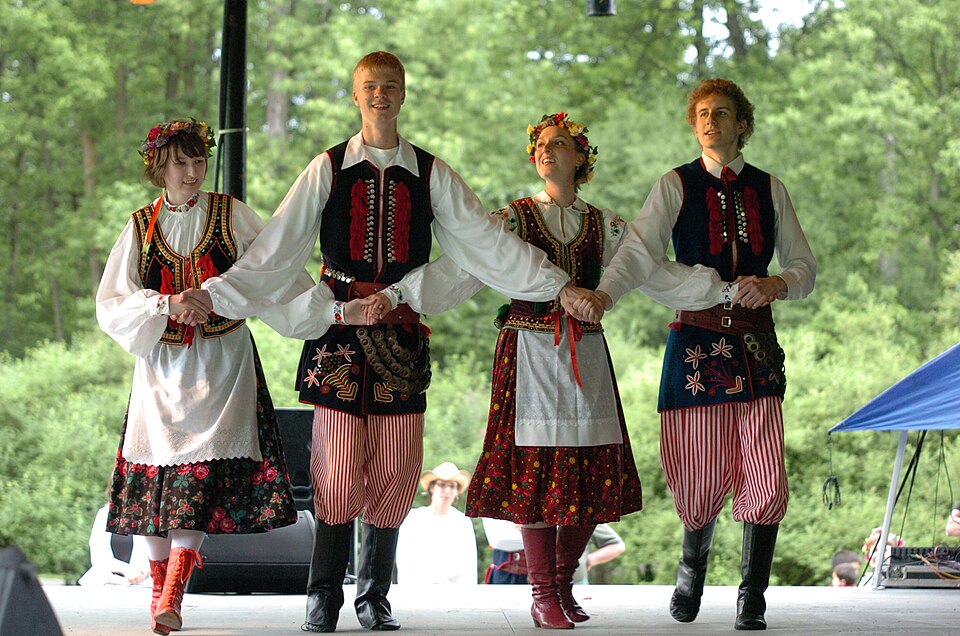
In this context, Poland’s investment in Ukraine’s cultural resilience is not just aid—it is a strategic commitment to regional security and long-term cooperation. Photo by Heather, Wikimedia commons.