













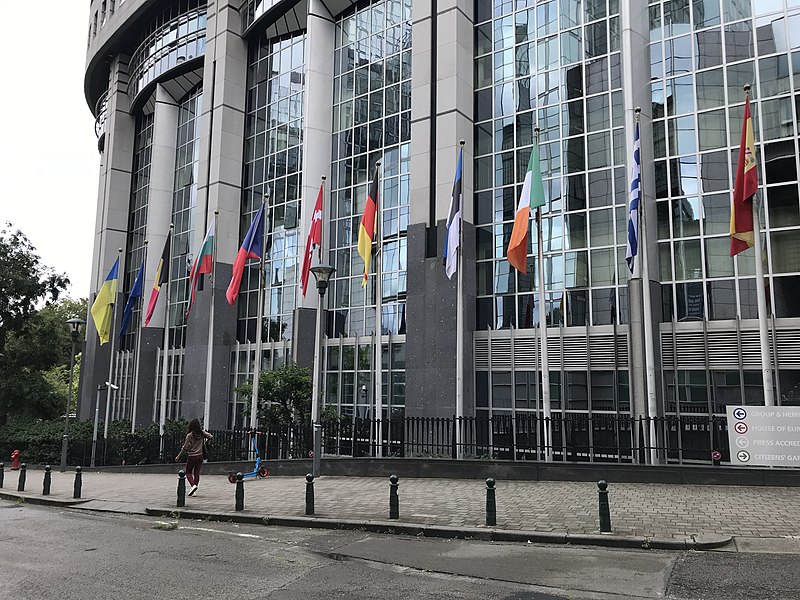
The European Parliament has taken a significant step toward modernizing vehicle administration across the bloc, as its Transport and Tourism Committee (TRAN) endorsed new
rules promoting digital registration certificates and mandatory data sharing between member states.
In a decisive vote on Wednesday, committee members backed the proposal by 39 votes to one, with one abstention—signaling broad political support for simplifying procedures while tightening controls against fraud.
Digital shift with safeguards
At the heart of the proposal is the introduction of a fully digital vehicle registration certificate, expected to become the standard format within three years of the legislation taking effect. However, lawmakers stressed that a physical version must remain available for citizens who lack digital access or skills.
To bridge both formats, the committee also proposed the use of QR codes, allowing authorities and users to quickly access key vehicle data.
Tackling fraud and easing procedures
The reform aims to streamline administrative processes while improving oversight. Under the draft rules, key vehicle information—such as make, weight, ownership details, inspection results, and reasons for deregistration—will be stored electronically.
This system is designed to support roadworthiness inspectors and simplify cross-border vehicle re-registration, a frequent hurdle in the EU’s single market.
To combat fraud in the second-hand car market and curb the trade in stolen vehicles, member states will be required to share data across borders. This includes not only registration and mileage records, but also inspection outcomes and, where available, advanced data such as remote sensing information and tampering indicators for heavy-duty vehicles.
Balancing innovation and inclusion
Swedish lawmaker Johan Danielsson, who is steering the proposal through Parliament, emphasized the importance of balancing innovation with accessibility.
He noted that while digitalisation can deliver “simple yet effective outcomes,” safeguards are necessary to ensure that citizens without digital skills are not excluded. Maintaining access to paper documents, he argued, is essential for fairness.
What happens next
The committee has also voted to begin negotiations with EU member states on the final shape of the legislation. Before talks can proceed, the full Parliament must give its approval—expected during the upcoming plenary session later this month.
About the Transport and Tourism Committee (TRAN)
The Transport and Tourism Committee is one of the European Parliament’s key legislative bodies, responsible for shaping EU policy on transport infrastructure, mobility, tourism, and logistics. Its work covers areas such as road, rail, air, and maritime transport, as well as road safety and sustainable mobility initiatives. TRAN plays a central role in advancing legislation that supports the EU’s internal market, climate goals, and cross-border connectivity.
Broader context
The proposal forms part of the European Commission’s 2025 “roadworthiness package,” which seeks to update standards for vehicle inspections, registration systems, and roadside checks. The broader objective is to enhance road safety, support greener transport, and make it easier for people and goods to move freely across EU borders.