












The European Union has approved its 20th round of sanctions against Russia, marking another escalation in its economic and political response to Moscow’s ongoing war in
Ukraine. European Commission officials framed the move as part of a long-term commitment to uphold Ukraine’s sovereignty while forcing Russia toward meaningful negotiations.
This latest package reflects a shift toward more sophisticated enforcement. Rather than simply expanding restrictions, the EU is now targeting loopholes and third-country networks that have allowed Russia to soften the blow of earlier sanctions. The measures span energy, finance, trade, and information warfare, underscoring how deeply the conflict has reshaped EU–Russia relations.
At the heart of the new sanctions are sweeping energy restrictions. The EU has blacklisted dozens of entities across Russia’s oil supply chain—from exploration to transport—while continuing its crackdown on the so-called “shadow fleet” used to bypass oil price caps. With hundreds of vessels now sanctioned, Brussels aims to choke off a critical source of Kremlin revenue. New rules also tighten controls on tanker sales and restrict access to ports linked to sanctions evasion, including facilities outside Russia.
Financial pressure is also intensifying. Twenty more Russian banks have been cut off from EU markets, and for the first time, the bloc has imposed a full ban on transactions involving Russian crypto service providers. The move reflects growing concern that digital assets are being used to sidestep sanctions. The EU has also extended restrictions to foreign banks accused of facilitating Russian transactions, signaling a broader willingness to act beyond its borders.
Trade measures in the package target both imports and exports, with new bans covering hundreds of millions of euros’ worth of goods. These include industrial materials, chemicals, and technologies that could support Russia’s military capabilities. Additional restrictions on cybersecurity services and high-tech components further aim to weaken Russia’s defense industry.
In a notable step, the EU has activated its “anti-circumvention tool” for the first time. This mechanism allows Brussels to respond directly to countries that fail to prevent the re-export of sanctioned goods to Russia. The initial focus is on Central Asia, where evidence suggests that EU-made equipment has been rerouted into Russia’s military supply chains.
Beyond economic pressure, the sanctions also expand individual listings. More than 100 people and entities—including oligarchs, military suppliers, and propagandists—have been targeted with asset freezes and travel bans. The EU is also stepping up efforts to combat disinformation by banning online “mirror” platforms that replicate content from already sanctioned Russian media outlets.
At the same time, Brussels is seeking to protect European businesses. New legal provisions allow EU companies to seek compensation for damages caused by Russian countermeasures, including asset seizures and intellectual property violations.
EU–Russia relations: a long-term freeze
This latest sanctions package highlights how relations between the EU and Russia have fundamentally deteriorated since the invasion of Ukraine in 2022. Once major economic partners—particularly in energy trade—the two sides are now locked in a prolonged geopolitical standoff.
The EU has steadily reduced its dependence on Russian fossil fuels while building alternative supply chains, a shift that has accelerated Europe’s broader energy transition. Meanwhile, Russia has pivoted toward markets in Asia and the Global South, though often at discounted prices and with higher logistical costs.
Diplomatic ties remain strained, with limited direct engagement and mutual distrust shaping interactions. The growing use of secondary sanctions and anti-circumvention measures suggests that the EU is preparing for a long-term strategy of containment rather than a quick resolution.
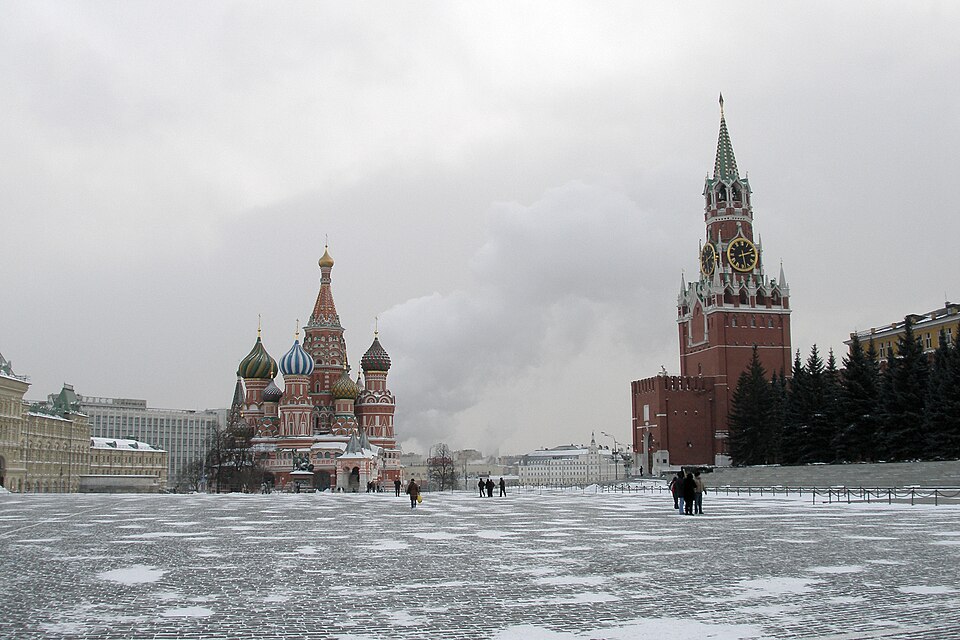
Despite the mounting economic pressure, analysts note that sanctions alone are unlikely to end the conflict. However, they remain a central pillar of the EU’s approach—aimed at weakening Russia’s war capacity while signaling sustained political support for Ukraine. Photo by Vyacheslav Argenberg, Wikimedia commons.
---