










The European Union's cultural sector employed an estimated 8.9 million people in 2025, accounting for 4.3% of total employment across the bloc, according to new figures.
People aged 30 to 49 made up almost half of the cultural workforce, representing 48.5% of all employees in the sector. Employment was also almost evenly divided by gender, with women accounting for 49.6% of workers and men 50.4%.
The data also highlights the sector's highly qualified workforce. Nearly 62% (61.9%) of people employed in cultural occupations had completed tertiary education, significantly higher than the average across the wider labour market. A further 31.3% had completed upper secondary or post-secondary non-tertiary education, while only 6.7% had education up to lower secondary level.
Across the EU, cultural employment represented between 4% and 5% of total employment in 17 of the bloc's 27 member states, underlining the sector's importance to many national economies.
The Netherlands recorded the highest share of cultural employment, with 5.7% of its workforce employed in the sector. It was followed by Estonia (5.3%) and Malta (5.1%).
At the other end of the ranking, Romania had the lowest proportion of cultural workers at 1.8% of total employment, ahead of Slovakia (3.3%) and Ireland (3.4%).
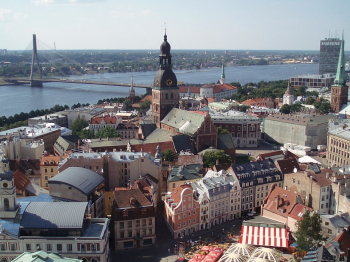
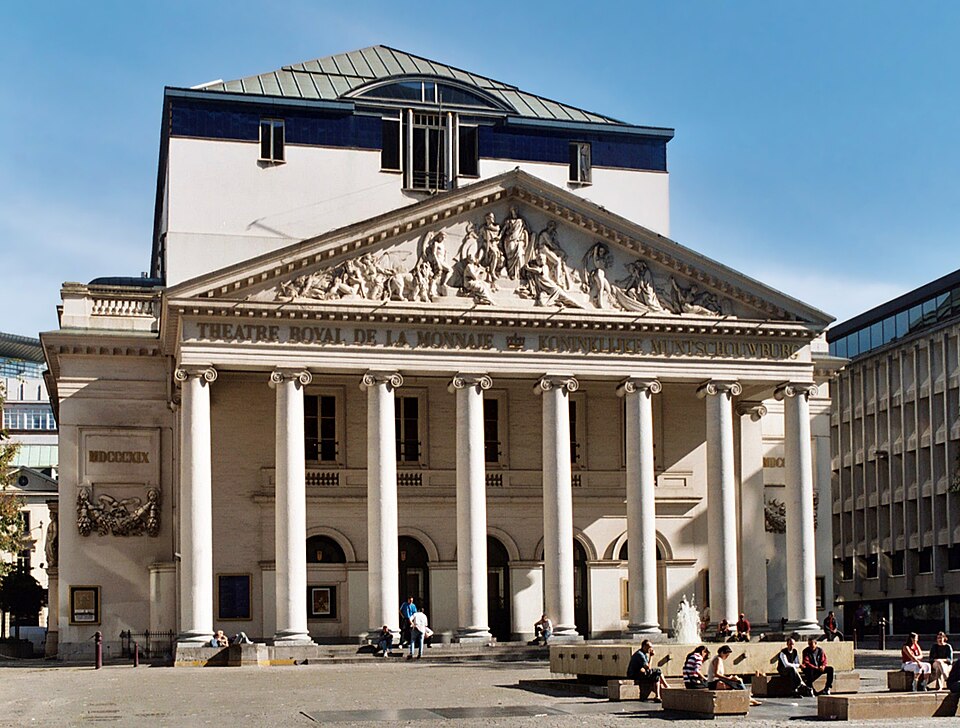
The figures illustrate the cultural sector's continued role as a major employer in Europe, particularly for highly educated professionals, while also revealing significant differences in the importance of cultural industries across EU member states. Photo by EmDee, Wikimedia commons.