






Latest News

Eurozone inflation jumps to 2.5% in March 2026 as energy prices surge

Eurozone inflation jumps to 2.5% in March 2026 as energy prices surge Eurozone inflation jumps to 2.5% in March 2026 as energy prices surge
  Inflation across the euro area picked up pace in March, reaching an estimated 2.5% year-on-year, according to a flash estimate released...
Read More...

EU labour costs 2025: hourly wages range from €12 in Bulgaria to €57 in Luxembourg

EU labour costs 2025: hourly wages range from €12 in Bulgaria to €57 in Luxembourg EU labour costs 2025: hourly wages range from €12 in Bulgaria to €57 in Luxembourg
  Labour costs across the European Union continued their steady rise in 2025, reflecting ongoing economic pressure, wage growth, and evolving...
Read More...

EU pushes to simplify farm data rules: Dombrovskis leads talks on cutting red tape for farmers

EU pushes to simplify farm data rules: Dombrovskis leads talks on cutting red tape for farmers EU pushes to simplify farm data rules: Dombrovskis leads talks on cutting red tape for farmers
  In a move aimed at easing bureaucracy for Europe’s agricultural sector, Valdis Dombrovskis chaired a high-level Implementation Dialogue...
Read More...

Belgium moves closer to abolishing Senate as political reform gains momentum

Belgium moves closer to abolishing Senate as political reform gains momentum Belgium moves closer to abolishing Senate as political reform gains momentum
  Belgium has taken a significant step toward dismantling its Senate, as lawmakers advance a long-debated institutional reform that could...
Read More...

Germany and Syria plan refugee return deal as Berlin backs reconstruction efforts

Germany and Syria plan refugee return deal as Berlin backs reconstruction efforts Germany and Syria plan refugee return deal as Berlin backs reconstruction efforts
Germany is preparing for a major shift in its migration policy as Chancellor Friedrich Merz announced plans to cooperate with Syria on the...
Read More...

Long-term care in the EU: who gets professional homecare and why access still varies widely

Long-term care in the EU: who gets professional homecare and why access still varies widely Long-term care in the EU: who gets professional homecare and why access still varies widely
  In 2024, long-term care remained a quiet but pressing reality for millions across Europe. According to recent data, 8.5% of people in...
Read More...

EU approves €21.5 million emergency aid for farmers hit by extreme weather in 2025

EU approves €21.5 million emergency aid for farmers hit by extreme weather in 2025 EU approves €21.5 million emergency aid for farmers hit by extreme weather in 2025
  The European Union has approved a €21.5 million emergency support package for farmers in Bulgaria, Estonia and Hungary, following severe...
Read More...

EU unveils €1.5 billion defence plan to boost military industry and deepen Ukraine cooperation

 EU unveils €1.5 billion defence plan to boost military industry and deepen Ukraine cooperation EU unveils €1.5 billion defence plan to boost military industry and deepen Ukraine cooperation
The European Commission has approved a €1.5 billion funding programme aimed at strengthening and modernising Europe’s defence industry,...
Read More...

Luxembourg minimum wage to rise by €170: government defends increase amid economic concerns

Luxembourg minimum wage to rise by €170: government defends increase amid economic concerns Luxembourg minimum wage to rise by €170: government defends increase amid economic concerns
  Luxembourg’s government has confirmed a significant rise in the national minimum wage, with Economy Minister Lex Delles defending the...
Read More...

Must Read

Most Popular Stories

VIDEO AND audio news:

Features, views, analysis

business

Latest News

Eurozone inflation jumps to 2.5% in March 2026 as energy prices surge

Eurozone inflation jumps to 2.5% in March 2026 as energy prices surge Eurozone inflation jumps to 2.5% in March 2026 as energy prices surge
  Inflation across the euro area picked up pace in March, reaching an estimated 2.5% year-on-year, according to a flash estimate released...
Read More...

EU labour costs 2025: hourly wages range from €12 in Bulgaria to €57 in Luxembourg

EU labour costs 2025: hourly wages range from €12 in Bulgaria to €57 in Luxembourg EU labour costs 2025: hourly wages range from €12 in Bulgaria to €57 in Luxembourg
  Labour costs across the European Union continued their steady rise in 2025, reflecting ongoing economic pressure, wage growth, and evolving...
Read More...

EU pushes to simplify farm data rules: Dombrovskis leads talks on cutting red tape for farmers

EU pushes to simplify farm data rules: Dombrovskis leads talks on cutting red tape for farmers EU pushes to simplify farm data rules: Dombrovskis leads talks on cutting red tape for farmers
  In a move aimed at easing bureaucracy for Europe’s agricultural sector, Valdis Dombrovskis chaired a high-level Implementation Dialogue...
Read More...

Belgium moves closer to abolishing Senate as political reform gains momentum

Belgium moves closer to abolishing Senate as political reform gains momentum Belgium moves closer to abolishing Senate as political reform gains momentum
  Belgium has taken a significant step toward dismantling its Senate, as lawmakers advance a long-debated institutional reform that could...
Read More...

Germany and Syria plan refugee return deal as Berlin backs reconstruction efforts

Germany and Syria plan refugee return deal as Berlin backs reconstruction efforts Germany and Syria plan refugee return deal as Berlin backs reconstruction efforts
Germany is preparing for a major shift in its migration policy as Chancellor Friedrich Merz announced plans to cooperate with Syria on the...
Read More...

Long-term care in the EU: who gets professional homecare and why access still varies widely

Long-term care in the EU: who gets professional homecare and why access still varies widely Long-term care in the EU: who gets professional homecare and why access still varies widely
  In 2024, long-term care remained a quiet but pressing reality for millions across Europe. According to recent data, 8.5% of people in...
Read More...

EU approves €21.5 million emergency aid for farmers hit by extreme weather in 2025

EU approves €21.5 million emergency aid for farmers hit by extreme weather in 2025 EU approves €21.5 million emergency aid for farmers hit by extreme weather in 2025
  The European Union has approved a €21.5 million emergency support package for farmers in Bulgaria, Estonia and Hungary, following severe...
Read More...

EU unveils €1.5 billion defence plan to boost military industry and deepen Ukraine cooperation

 EU unveils €1.5 billion defence plan to boost military industry and deepen Ukraine cooperation EU unveils €1.5 billion defence plan to boost military industry and deepen Ukraine cooperation
The European Commission has approved a €1.5 billion funding programme aimed at strengthening and modernising Europe’s defence industry,...
Read More...

Luxembourg minimum wage to rise by €170: government defends increase amid economic concerns

Luxembourg minimum wage to rise by €170: government defends increase amid economic concerns Luxembourg minimum wage to rise by €170: government defends increase amid economic concerns
  Luxembourg’s government has confirmed a significant rise in the national minimum wage, with Economy Minister Lex Delles defending the...
Read More...

Must Read

Most Popular Stories


Labour costs across the European Union continued their steady rise in 2025, reflecting ongoing economic pressure, wage growth, and evolving labour policies across the bloc.

According to the latest data from Eurostat, average hourly labour costs reached €34.9 across the EU, up from €33.5 in 2024. In the euro area, the figure climbed to €38.2, compared with €36.8 the previous year.

Despite this overall increase, the gap between member states remains striking. At the lower end of the scale, Bulgaria recorded the cheapest labour at just €12 per hour, followed by Romania (€13.6) and Hungary (€15.2). On the opposite end, Luxembourg stood out with the highest labour costs at €56.8 per hour, ahead of Denmark (€51.7) and the Netherlands (€47.9).

These disparities underline the persistent economic imbalance within the EU, where wage levels and productivity continue to differ widely between eastern and western member states.

Labour costs are made up of two main elements: wages and salaries, and so-called “non-wage costs” such as employers’ social contributions. In 2025, non-wage costs accounted for nearly a quarter of total labour expenses—24.8% in the EU and 25.6% in the euro area.

However, here too differences are pronounced. Romania (4.8%), Lithuania (5.5%) and Malta (5.8%) reported the lowest shares of non-wage costs, while France (32.3%), Sweden (31.7%) and Slovakia (28.6%) recorded the highest. This reflects varying national approaches to taxation, social security systems, and employer obligations.

Overall, labour costs rose by 4.1% across the EU in 2025, with slightly lower growth of 3.8% in the euro area. Every eurozone country saw increases except Malta, where costs dipped marginally by 0.5%.

The fastest growth was observed in Central and Eastern Europe, with Bulgaria (+13.1%), Croatia (+11.6%), Slovenia (+9.3%) and Lithuania (+9.2%) leading the way. In contrast, larger economies such as France (+2.0%) and Italy (+3.2%) recorded more modest increases.

Outside the euro area, labour costs rose in all countries when measured in national currencies. Romania (+10.6%), Hungary (+8.9%) and Poland (+8.8%) saw the strongest growth, while Denmark recorded the smallest increase at 3.0%.

EU labour policy context

The rise in labour costs is closely tied to broader EU labour policy, which in recent years has focused on balancing competitiveness with social protection.

A key development has been the EU Minimum Wage Directive, aimed at ensuring fair wages across member states. While it does not impose a single EU-wide minimum wage, it encourages countries to set wages at adequate levels—often benchmarked at around 60% of median income.

Additionally, the EU has strengthened workers’ rights through initiatives such as:

- Improved rules on transparent and predictable working conditions

- Expansion of social protections for platform and gig economy workers

- Policies promoting work-life balance, including parental leave standards

At the same time, the European Commission has emphasized productivity growth and skills development to justify rising wages without undermining competitiveness. Funding instruments like the European Social Fund Plus continue to support job creation, training, and labour market inclusion.

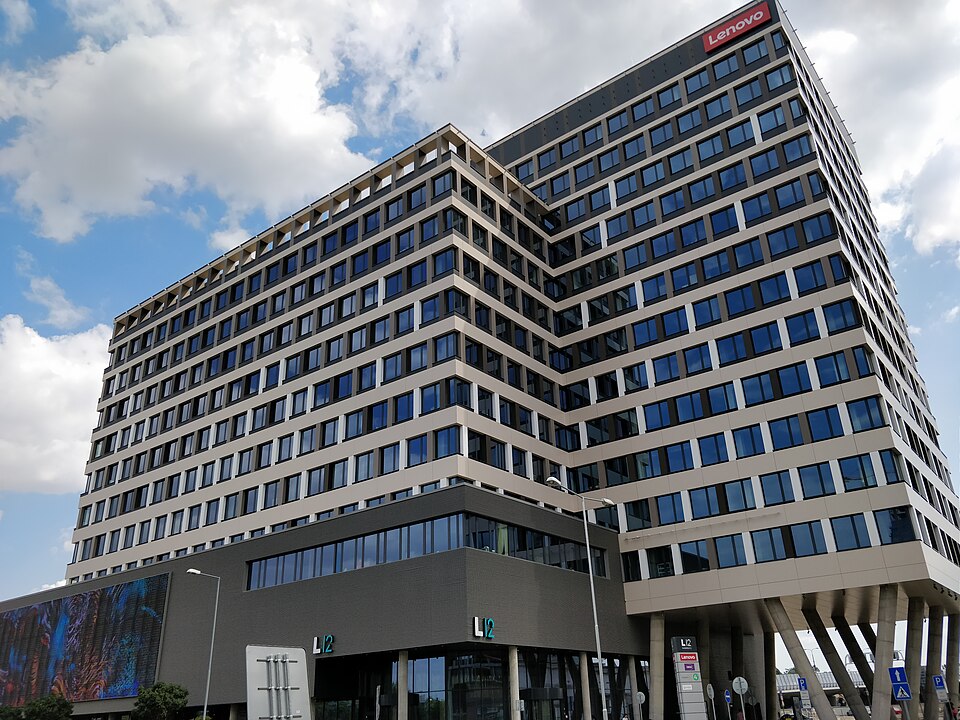
The challenge for policymakers remains navigating inflation, labour shortages, and demographic shifts—especially in ageing societies—while keeping European businesses globally competitive. Photo by Wizzard, Wikimedia commons.

deneme