
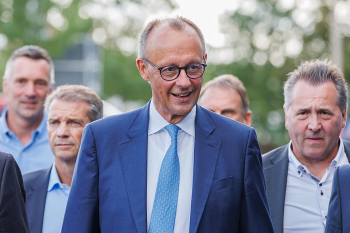










Germany is preparing for a major shift in its migration policy as Chancellor Friedrich Merz announced plans to cooperate with Syria on the return of hundreds of thousands of
Syrian refugees. The move comes as Berlin seeks to balance domestic political pressure with international reconstruction efforts.
Speaking in Berlin after meeting Syrian President Ahmed al-Sharaa, Merz emphasized that Syrian nationals living in Germany could play a vital role in rebuilding their war-torn country. He acknowledged their contributions to German society but noted that many are willing to return home if conditions allow.
“After years of destruction affecting infrastructure such as schools, hospitals, and businesses, these individuals will be essential to Syria’s recovery,” Merz said during a joint press conference.
Germany currently hosts between 700,000 and 800,000 Syrian refugees. According to Merz, up to 80% could return to Syria within the next three years. The government plans to prioritize individuals who no longer have legal residency status, particularly those convicted of criminal offenses.
This policy direction reflects a broader tightening of migration rules introduced by Merz’s coalition government. The shift comes amid growing support for the anti-immigration Alternative for Germany party, following the 2015 decision by former Chancellor Angela Merkel to admit around one million asylum seekers, many from Syria and Afghanistan.
At the same time, Berlin is positioning itself as a key partner in Syria’s reconstruction. Merz confirmed that both governments have developed a joint program aimed at rebuilding infrastructure while facilitating voluntary returns.
President al-Sharaa welcomed the initiative, expressing gratitude for Germany’s support during the Syrian civil war. He highlighted ongoing discussions around a “circular migration” model, allowing skilled Syrians to contribute to rebuilding efforts at home while maintaining ties to Germany.
Syrian refugees in Germany: context and challenges
Since the start of the Syrian civil war in 2011, Germany has become one of the largest hosts of Syrian refugees worldwide. Many arrived during the peak migration wave of 2015–2016, integrating into the labor market, education system, and healthcare sector.
Today, Syrians represent one of the most economically active refugee groups in Germany. Thousands are employed in critical industries such as construction, logistics, and nursing—sectors already facing labor shortages.
However, the question of return remains complex. While some refugees express a desire to rebuild their homeland, concerns persist over security, political stability, and economic opportunities in Syria. Human rights organizations have repeatedly warned that conditions on the ground may not yet support large-scale returns.
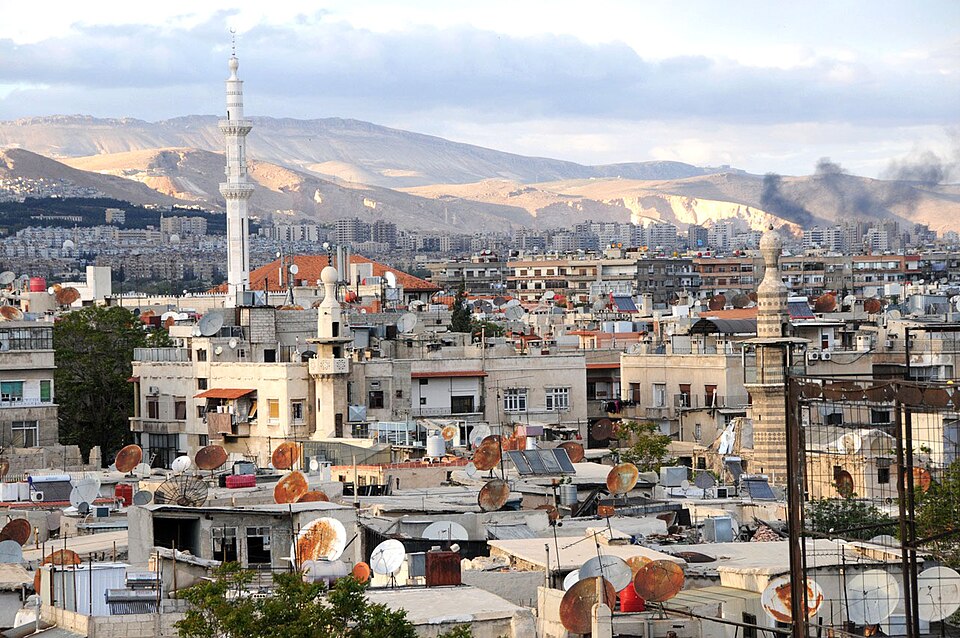
For many Syrian families in Germany, the future may lie in a hybrid model—maintaining connections to both countries. The concept of circular migration, now under discussion, could offer a middle path, enabling refugees to contribute to Syria’s recovery without fully giving up the stability they have found in Germany. Photo by anjči from London, UK, Wikimedia commons.