













Young people across the world’s major economies are no longer instinctively drawn to Western liberal democracies, according to new research from the British Council, signalling
a profound shift in global perceptions of power, trust and influence.
The ‘Global Perceptions 2025’ report, based on a survey of nearly 21,000 people aged 18–34 across 18 G20 countries, shows that the long-standing appeal gap between established Western powers and emerging nations has all but disappeared. For the first time since the research began in 2016, liberal democracies no longer enjoy a clear advantage in how attractive they are perceived to be by the next generation.
Western lead on attractiveness evaporates
For much of the past decade, countries such as the UK, France, Canada and Italy consistently scored more than 70 percentage points for overall attractiveness — around 10 points higher than most emerging economies. In 2025, that margin has almost vanished.
Asia has now overtaken the Euro-Atlantic region in attractiveness rankings. Japan sits top globally, while South Korea has seen its score surge by 19 points since 2016. China has also made notable gains, reflecting what the report describes as growing global interest in East Asian cultures and societies.
By contrast, the United States is now the lowest-scoring Western democracy in the rankings, sitting just one point ahead of South Korea. The data points to a broader shift in momentum away from traditional Western centres of influence towards a rising Asia.
Trust rising in authoritarian systems
Alongside changes in attractiveness, the research highlights a striking realignment in global trust. Confidence in the governments of more authoritarian states has increased sharply over the past decade, while trust in many established democracies has declined.
Trust in Saudi Arabia’s government has risen by 17 percentage points since 2016, reaching 40 per cent. China has gained 10 points, while Turkey has risen by 15. Over the same period, trust in Canada has fallen by nine points, Australia by five, and Germany by three.
The report stresses, however, that this does not signal an endorsement of authoritarian values. Instead, young people appear to associate these governments with effectiveness and the ability to deliver results. Equality, peace and freedom remain the most highly valued principles worldwide, underlining a tension between admiration for perceived competence and continued aspirations for democratic ideals.
A fragmented and contested global landscape
The findings come amid a turbulent international backdrop marked by conflict, disinformation and deepening ideological divides. One in seven people globally has experienced conflict in the past year, the report notes, making trust and cooperation across borders more important than ever.
Against this backdrop, the British Council argues that soft power — rooted in openness, cultural exchange and shared values — has become a strategic necessity rather than a diplomatic luxury.
UK still strong, but no longer unchallenged
Despite the shifting landscape, the UK retains significant strengths. It ranks third globally for attractiveness at 70 per cent, behind only Japan and Italy, and leads all countries in government trust at 55 per cent — a level of stability unmatched by many peers.
The UK’s education system remains the world’s second most attractive for international students, and the country continues to rank in the top five for arts, culture, business and tourism.
Yet the report warns that the UK’s position is increasingly fragile. With global competition for influence intensifying and trust declining in many democracies, continued investment in international cultural relations will be essential if the UK is to maintain and grow its global standing.
German perspectives: values under pressure
The survey also sheds light on changing attitudes among young Germans. Equality, freedom and working towards a peaceful world are seen as the most important values countries should uphold in the 21st century, pushing sustainability down to fifth place since 2023.
Poverty and armed conflict are now viewed as the world’s most pressing issues, overtaking climate change. While a growing share of German respondents believe their country should prioritise international cooperation — even when it conflicts with national interest — fewer feel pride in Germany’s international reputation, highlighting a more ambivalent outlook on global engagement.
Soft power as a strategic imperative
Scott McDonald, Chief Executive of the British Council, said: “The findings of this year’s report are further evidence that soft power has become a strategic imperative rather than a luxury in today’s fragmented world. Public opinion increasingly shapes policy, even in more controlled or authoritarian contexts, making young people’s perceptions vital indicators of future international relationships and patterns of cooperation. As global competition intensifies, the findings highlight the critical importance of the UK’s continued investment in soft power and international cultural relations to sustain and strengthen its influence on the world stage.”
Alistair MacDonald, the report author, said: “In a world where nations are constantly competing for power and influence, the perceptions of people hold towards other countries are increasingly important. The UK’s traditional soft power advantage can no longer be taken for granted, as emerging powers compete for trust and attention. Understanding how the UK is viewed internationally is therefore essential to safeguarding its global influence, prosperity and long-term partnerships.”
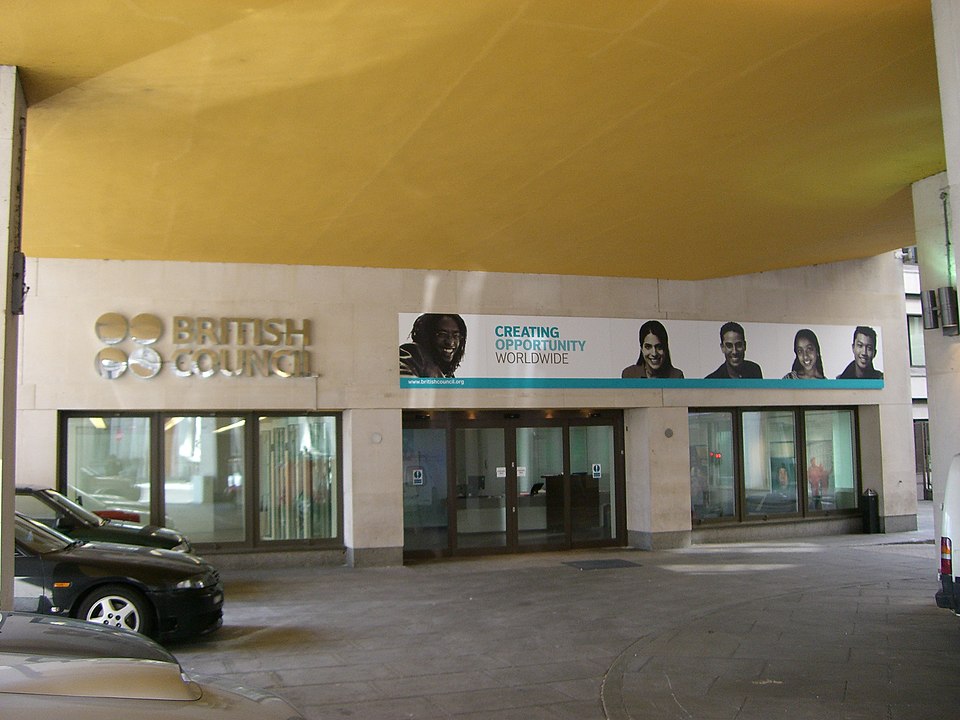
As the balance of global influence continues to shift, the report concludes, democracies face a clear challenge: to translate their values into credible, effective engagement that resonates with a generation no longer convinced that the West automatically leads the world. Photo by Edward, Wikimedia commons.